Sustainable cleaning products
How you can clean the world yourself
editorial.overview
What makes cleaning products sustainable?
Sustainable cleaning products differ from conventional ones in several key aspects. A major factor that makes a cleaner sustainable is the use of ingredients that are less harmful to the environment and human health. Many sustainable detergents are based on plant-derived or mineral ingredients and avoid aggressive chemicals such as phosphates, parabens and phthalates, which can damage waterways.
Furthermore, sustainable cleaning brands place great importance on eco-friendly packaging. Many products are offered in reusable, recyclable or compostable packaging, which helps reduce plastic waste. Some companies also provide refill systems that allow plastic containers to be reused multiple times or avoided altogether.
Another aspect is ingredient transparency. Sustainable cleaners often list all ingredients clearly so consumers can make informed choices. This is particularly relevant because "fragrances" can often contain many components that don’t need to be listed individually and can be potentially harmful.
What are the benefits of sustainable cleaning products?
Unlike conventional cleaners that often contain harsh chemicals, sustainable products are usually made from natural ingredients. They are free from harmful chemicals and scents that can trigger allergies or breathing problems. This results in better indoor air quality and is safer for everyday use, especially around children and pets.
Sustainable cleaning products are often biodegradable and phosphate-free, minimising risk to aquatic life. They do not contribute to water pollution, protecting aquatic habitats and drinking water sources.
Many eco-friendly cleaning products use reusable or recyclable packaging, contributing to a significant reduction in plastic use and associated waste. Some products are also available in concentrated form, requiring less packaging and making transport more efficient.
Sustainable cleaners can often be used for multiple cleaning tasks, reducing the need to buy several specialised products. Over time this can lead to considerable savings, as fewer products need to be purchased and the products themselves are often more effective.
What are cleaning tabs?
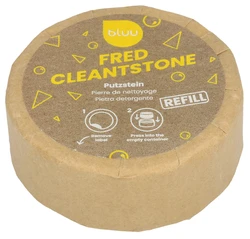
Cleaning tabs are an environmentally friendly alternative to conventional liquid cleaners since they produce much less plastic waste and reduce transport emissions. Tabs are made from a mixture of citric acid, sodium bicarbonate (baking soda), surfactants and sometimes food-grade colourants that dissolve in water.
They are typically sold in minimal packaging that is often recyclable, contributing to waste prevention. Their compact form not only saves space but also reduces energy consumption during transport and thus CO2 emissions.
Use is simple: a tab is dissolved in water to create an effective cleaning solution without the need for new plastic bottles. These tabs deliver strong cleaning performance and are often biodegradable, vegan and cruelty-free, making them a sustainable choice for the modern household.
Although cleaning tabs are effective for everyday cleaning tasks, they may be less efficient on very stubborn stains or heavily soiled surfaces compared with stronger, chemically based cleaners.
What certifications exist for sustainable cleaning products?
Certifications for sustainable cleaning products are important tools that help consumers recognise environmentally friendly products and make informed decisions. These certifications are awarded by independent organisations and are based on strict criteria that guarantee both sustainability and product performance.
The EU Ecolabel, also known as the "EU flower", identifies products and services in Europe that have a lower environmental impact throughout their life cycle. Products carrying this label must meet strict environmental protection and performance standards verified by an independent organisation.
The Nordic environmental label, often simply called the "Nordic Swan", is the official environmental label of the Nordic countries (Sweden, Denmark, Finland, Norway and Iceland). Like the EU Ecolabel, it sets strict environmental and health criteria for products and services. The Nordic Swan considers the entire life cycle of a product, from raw material extraction to disposal, to ensure sustainability while also taking social aspects into account.
Originally known for certifying organic products in agriculture and the food industry, Ecocert has expanded its scope to a wide range of products, including cosmetics and cleaning agents. Products bearing the Ecocert label must be made from natural and organic ingredients and produced under environmentally and socially responsible conditions.
The Cradle-to-Cradle certification goes beyond traditional sustainability approaches by evaluating products designed for a circular economy. This means that every material in a product is either biodegradable and can be safely returned to the environment, or technically recyclable and reusable without loss of quality. Cradle-to-Cradle certification also evaluates the social and ethical aspects of production processes.
How effective are homemade sustainable cleaners?
Homemade sustainable cleaners have become very popular, not least because they are environmentally friendly and allow households to avoid harmful chemicals. These DIY cleaners can be very effective and are a good alternative to commercial products, especially for general cleaning tasks.
Many homemade solutions use common household ingredients such as vinegar, baking soda and lemon juice, which can effectively fight dirt and bacteria. Vinegar, for example, is excellent for cleaning glass and can be combined with olive oil as a furniture polish. Citric acid is particularly effective at removing limescale and soap residues in the bathroom.
Homemade detergents reduce dependence on plastic-packaged products and thus cut plastic consumption. As they are made from non-toxic substances, they are less harmful to waterways and ecosystems when they enter the sewage system.
Another advantage of these cleaners is their low production cost. Ingredients are generally inexpensive and easy to obtain, and many recipes are simple to mix, making them a practical and economical option.
Although homemade cleaners offer many benefits, they can sometimes be less effective than stronger chemical alternatives, particularly for stubborn stains or specialised cleaning needs. It is also important to note that some natural ingredients can damage surfaces if used improperly, such as using vinegar on natural stone.
Sustainable cleaning products and methods for everyday life: key tips
- Start gradually. Replace conventional cleaners step by step with biodegradable alternatives to slowly get used to eco-friendly products.
- Reuse empty bottles and containers to store your own cleaners and reduce waste.
- Choose cleaning products that come in minimal or sustainable packaging, such as concentrated formulas or bulk sizes.
- Save water while cleaning by turning off the tap between uses.
- Combine biodegradable cleaning products with microfiber cloths or reusable wipe cloths to reduce waste.
- Incorporate recycling and composting into your cleaning routine to dispose of waste properly and act in an environmentally friendly way.
- Repurpose old items, for example old toothbrushes for cleaning hard-to-reach areas or old socks as cleaning rags.
- Use baking soda as a versatile cleaner. Baking soda is excellent for cleaning, removing odours, softening water and as a scouring agent.
- Opt for unscented soap. Liquid soap, soap flakes, powder or bars are biodegradable and clean almost everything. Avoid soaps that contain petroleum derivatives.
- Use washing soda. This mineral dissolves grease, removes stains, softens water and cleans walls, tiles, sinks and bathrooms. Be careful, soda can irritate mucous membranes. Do not use it on aluminium.
- Use hydrogen peroxide as a disinfectant. Hydrogen peroxide is not only a common wound disinfectant but can also be used to disinfect kitchens and bathrooms. It has a mild bleaching effect and is excellent as a stain remover for fabrics and grout.
- Make an all-purpose cleaner. Mix 1/2 cup vinegar and 1/4 cup baking soda with 2 litres of water for an effective cleaner.
- Choose dishwashing liquids that are biodegradable and free from phosphates and other harmful chemicals. You can also make a natural dishwashing liquid from a mix of liquid Castile soap and vinegar. Add 2 to 3 tablespoons of this mixture to hot wash water for effective and eco-friendly cleaning.
- Mix equal parts washing soda, baking soda and kosher salt. If your water is hard, slightly increase the washing soda portion. This mixture is an effective, eco-friendly alternative to conventional dishwasher tablets.
Sustainable cleaning products that use eco-friendly and natural ingredients provide an efficient solution for household cleanliness, from the kitchen to the bathroom. They help conserve water and promote a fresh, healthy living environment.