
Thyme
The green miracle herb from your garden
What is thyme?
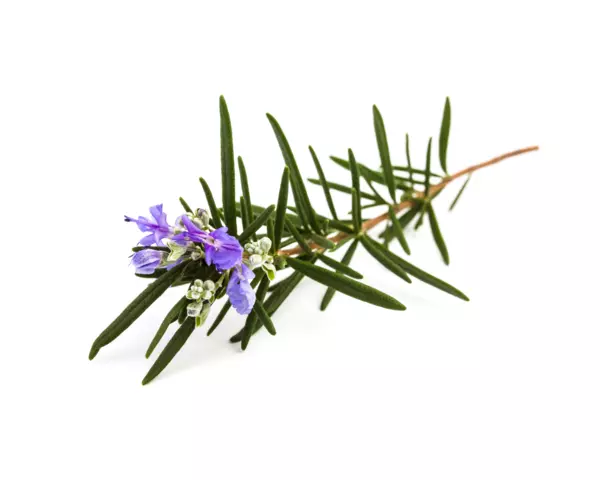
Thyme is a perennial, compact-growing plant from the mint family, noted for its intense fragrance and characteristic small, aromatic leaves. The genus Thymus includes numerous species, of which common thyme (Thymus vulgaris) is particularly well known.
The plant exhibits various growth habits, both creeping and upright, and reaches heights of between 10 and 40 centimetres depending on the cultivar. The grey- to silvery-green elliptical leaves are usually opposite on square stems and are dotted with tiny oil glands where the essential oils are concentrated. A spicy scent, noticeable when the leaf is crushed, is characteristic. During the flowering period from June to October, thyme produces delicate pale pink to light violet flowers. After flowering, small nut-like fruits develop containing dark, almost black seeds.
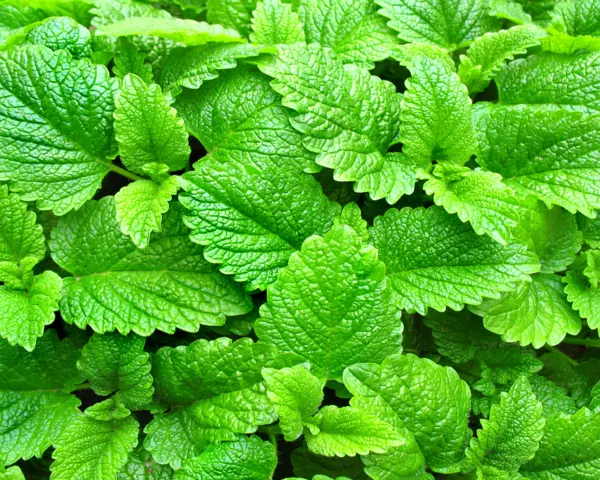
In commerce, thyme is mainly offered in dried form, i.e. the leaves and flowers removed from the stems. Besides common thyme, varieties such as lemon thyme or orange thyme are also popular, mainly for their distinctive scents and colour variations. This diversity makes thyme a favourite plant for the garden, windowsill and kitchen.
What ingredients does thyme contain?
Thyme is distinguished by a remarkable variety of bioactive compounds that make it a valuable part of a balanced diet. Especially noteworthy is the content of essential oils, with thymol being the dominant compound. This substance has strong antimicrobial properties and contributes significantly to the plant's antimicrobial effectiveness.
In addition to these aromatic compounds, thyme provides numerous important micronutrients. It contains notable amounts of calcium, iron and beta-carotene, a precursor to vitamin A. B vitamins such as B1, B2, B3 (niacin) and B6 are also present, as are vitamin E and folic acid, both of which play a role in cell protection and metabolism. Thyme also supplies minerals such as potassium, magnesium and phosphorus.
Thyme should not be underestimated for its macronutrients either: it provides fibre as well as moderate amounts of carbohydrates, protein and fat, while being low in calories. The exact composition can vary depending on the growing region and harvest time, as environmental factors such as soil quality and sunlight influence the levels of certain constituents.
How healthy is thyme?
Thyme is regarded as a very healthy medicinal herb with a range of positive effects on body and mind. It is especially known for supporting the respiratory tract: it can relieve coughs, bronchitis and even whooping cough, as it acts both as an expectorant and a soothing agent for the bronchi. Its antimicrobial properties also help to fight pathogens such as bacteria, viruses and fungi, making it a valuable home remedy during the cold season.
Thyme also supports digestion. It stimulates the production of digestive juices and can be soothing for bloating, mild abdominal cramps and flatulence. This makes it particularly useful after heavy or fatty meals. In traditional herbal medicine, thyme is also used for internal cramps, for example menstrual pain or colic. Its relaxing effect on muscles can help relieve spasms and reduce pain.
Thyme also has a beneficial effect on the skin: in the form of tinctures it can counteract skin impurities. Studies indicate it may be more effective for acne than some conventional remedies. Its possible effect on mood is also interesting. In aromatherapy, thyme oil is used to enhance emotional well-being. It is thought to promote the release of mood-lifting neurotransmitters such as dopamine and serotonin, thereby fostering greater inner balance.
Besides health benefits, thyme also scores from an ecological perspective. Its CO₂ footprint is comparatively low, making it a sustainable choice for environmentally conscious consumers.

Is thyme winter-hardy?
Thyme can generally overwinter well in our regions, as many varieties are frost-resistant. Especially robust species such as sand thyme or cushion thyme can withstand temperatures well below freezing. However, even hardy varieties benefit from a sheltered location, particularly during very cold or changeable winters. Sunny, dry sites with well-drained soil provide the best conditions for healthy overwintering.
If thyme is grown in a pot, bear in mind that the roots are less well insulated. In such cases a frost protection like fleece or spruce boughs is recommended to prevent the soil from freezing. Particularly cold-sensitive plants such as lemon thyme or other specially bred forms should not be left outdoors in severe frost. If unsure about the variety, it is safer to bring the plant indoors.
When can thyme be harvested?
The best harvest time for thyme depends on the plant's stage of development. The ideal moment is just before flowering, when the leaves are especially fragrant due to a high concentration of essential oils. Depending on cultivar and site, this stage is usually reached between May and August. Although the peak of aroma occurs during this period, harvesting can be done throughout the warm season depending on the intended use and personal preference.
The quality of the harvested shoots depends not only on maturity but also on the time of day. Late morning on a sunny day is generally when the content of aromatic compounds is highest, since the oils gradually evaporate with increasing sunlight. Morning dew should have evaporated to avoid later quality loss due to moisture, especially if the thyme stems are to be preserved.
For immediate culinary use, it is sufficient to pick young leaves or tender tips. For larger harvests, for example for storage, it is best to cut whole stems. This can be combined with a maintenance pruning in late summer. This keeps the subshrub vital and promotes vigorous regrowth the following year.
Thyme can also still be useful in late summer and early autumn. Harvesting until about mid-September helps the plant to close the cut sites properly before winter arrives. The aroma of the leaves can remain strong and intense at this time, especially under late-summer conditions.
What side effects can thyme cause?
Thyme is generally well tolerated, but in rare cases side effects may occur. These include gastrointestinal complaints such as nausea, abdominal cramps and diarrhoea. Sensitive individuals may also experience allergic reactions such as skin rashes, hives or breathing difficulties. People who are sensitive to plants in the mint family should exercise particular caution.
Thyme oil should not be applied or taken undiluted, as it can irritate the skin and mucous membranes. People with liver or thyroid conditions should consult their physician before using thyme. During pregnancy larger amounts should be avoided, as thyme can stimulate uterine contractions. In any case thyme is not poisonous.
How to use thyme correctly: practical tips
- Prepare fresh thyme tea by pouring 150 ml of boiling water over one teaspoon of dried thyme herb, let it steep covered for five minutes and then strain.
- Drink several cups of thyme tea daily, but do not exceed the recommended daily dose of four to six grams of dried herb.
- Use thyme tea as a gargle by pouring 100 ml of hot water over five grams of thyme herb, letting it steep for ten minutes and then straining.
- Thyme as a bath additive for colds: pour 100 grams of thyme plants or one of the thyme varieties into one litre of hot water, let the infusion steep for ten minutes and add it to the bathwater. Thyme, a tried-and-tested medicinal plant, is particularly helpful for colds by clearing the airways and improving overall well-being.
- For inhalations for coughs, only suitable essential oils should be used, for example Thymus CT Thymol combined with citrus and cardamom oil, diluted to one to two drops per litre of boiling water.
- Mix thyme oil with other oils for rubs in bronchitis, e.g. almond oil, eucalyptus oil and myrtle oil, and apply to the chest and back.
- Do not use thyme oil for pregnant women, infants and young children under four years, as it can cause serious side effects.
- Test skin tolerance before each application by placing one drop in the crook of the arm and checking for reactions such as redness or itching.
- Use thyme oil only short-term for baths or large-area applications, as thyme's essential oils can be absorbed through the skin and become toxic in high doses.
- Use thyme regularly in cooking as a spice to give stews, tomato sauces, braised dishes and vegetables a robust, slightly bitter note.
- Combine thyme in Mediterranean recipes with zucchini, aubergines or peppers for an authentic flavour.
- Season plant-based dishes such as lentil soup or ratatouille with thyme to give them an intense flavour base, ideal for vegan and vegetarian cuisine.
- Make your own thyme pesto so you always have a tasty flavour paste for bread, pasta or salads on hand.
Thyme is a natural culinary herb with a strong flavour and has therefore been used for centuries both in the home medicine cabinet and in food preparation.