

Toothbrush
How to clean your teeth best
editorial.overview
Which toothbrush is best?
A properly chosen toothbrush helps keep your teeth and gums healthy. The toothbrush should be matched to your needs and preferences.
There are several types of toothbrushes. For healthy teeth and gums, a “standard” toothbrush with a compact head, soft or medium-firm bristles and conical bristle tips is suitable. This is a general recommendation.
Regarding bristles, gentle, rounded bristles arranged in tufts are considered the most gentle on the gums. There are extra-soft, soft, medium and hard bristles. For gentle care, dentists generally recommend soft bristles, otherwise enamel and gums can be damaged.
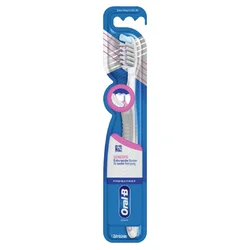
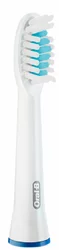
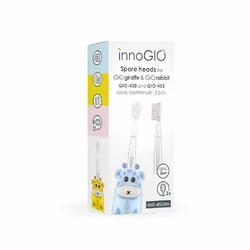
What are the differences between manual and electric toothbrushes?
Not all toothbrushes are the same. Manual toothbrushes are the classics and come in various models, including special versions for sensitive teeth and models for thorough cleaning.
Electric toothbrushes are more convenient and easier to use for different brushing styles. The classic rotating brushes with a round head can perform 8000 rotations per minute back and forth; there are models with adjustable speed and special modes for very sensitive teeth or for whitening. Each tooth should be cleaned individually.
The sonic toothbrush has an elongated brush head (similar to a conventional manual toothbrush) and generates up to 30'000 vibrations per minute, with the bristles constantly moving up and down with an excursion of up to 4 mm.
Electric toothbrushes are generally considered more effective than manual ones, but correct brushing technique plays the decisive role.
How do ultrasonic toothbrushes work?
The ultrasonic brush produces about 1.6 million vibrations per second and is used only with a special toothpaste. This is no longer mechanical brushing but vibration: the ultrasonic waves burst microbubbles in the toothpaste, so plaque is effectively removed.
Which toothbrushes are suitable for children?
For children, toothbrushes with a small brush head, soft bristles and an ergonomic handle that fits well in small hands are particularly suitable.
Electric toothbrushes with colourful designs or favourite characters can also boost motivation – it is important they have a child-appropriate speed and gentle cleaning. Age recommendations on the packaging also help with selection.
When are electric toothbrushes particularly recommended?
Electric toothbrushes are easier to handle for children, older adults or people with physical impairments. Electric brushes also reach difficult areas around brackets better. Models with pressure control or gentle cleaning modes can protect the gums and help prevent inflammation.
For people with mobility issues such as arthritis, electric toothbrushes are the best choice. The same applies to people who brush their teeth in a hurry and neglect good technique. The automatic movement and often integrated timers or apps make brushing easier and more enjoyable.
Otherwise, choosing a toothbrush comes down to personal preference.
Bright smile made easy: top tips for toothbrushs and usage
- Rinse your toothbrush thoroughly under running water after each use and place it in a toothbrush cup to dry. This prevents the growth of pathogenic bacteria that can cause various oral conditions.
- The manual toothbrush or replacement brush head should be changed every two months. Otherwise the bristles wear out and cleaning performance decreases. This can lead to gum injuries and the deposit of bacteria on brittle bristles.
- If the bristles are worn prematurely, for example due to excessive pressure when brushing, replace the toothbrush or replacement head immediately. Frayed or splayed bristles are signs of wear.
- The toothbrush should also be replaced after recovery from the flu or a cold. Viruses and bacteria can settle in the bristles and reinfect you. This is especially true for “family toothbrushes” that are intentionally or unintentionally used by several people.
- When purchasing, look for a firm handle that allows secure handling of the toothbrush. Some models even feature special suspension in the handle area. This can protect against gum injuries.
- Choose a toothbrush with a compact brush head to reach the rear molars well. As a rule: the brush head should not be larger than two molars in your mouth.
- Toothbrushes with natural bristles are generally not recommended. They can injure the gums and are easily colonised by bacteria.
- Note that you need to brush longer with a manual toothbrush, whereas an electric toothbrush performs the correct brushing movements effortlessly and cleans more intensively.
- If you have sensitive teeth, choose an ultrasonic brush. It exerts no pressure and cleans the teeth gently. There are also rotating electric toothbrushes with a safety switch. These switch off under excessive pressure to avoid irritating your gums.
Whether you care for your teeth by hand or with an electric toothbrush, these tips make brushing easier and more effective. Your teeth will thank you!