

Toothpaste
The small ritual with big effect
editorial.overview
Which product is better: toothpaste or dental cream?
The difference is mainly in the name and the consistency. Generally, there are no significant differences in effect or composition between products marketed as „Zahnpasta" or „Zahncreme". Both terms are often used interchangeably for products intended to clean and care for the oral cavity, in combination with a suitable toothbrush.
Most toothpastes and dental creams contain similar ingredients such as fluorides for caries prevention, abrasives for mechanical cleaning, and various additives like flavouring agents or humectants to make application more pleasant and improve oral hygiene. In some cases the term „Zahncreme" may indicate a milky, cloudy consistency, as opposed to the often more transparent gels that can also be sold as „Zahnpasta".
Overall, both products are effective for daily tooth cleaning and provide protection against dental problems, provided they are used correctly and contain fluorides, which strengthen enamel and help prevent caries. The choice between a cream and a paste therefore depends more on personal preferences regarding texture and taste than on significant differences in effectiveness.
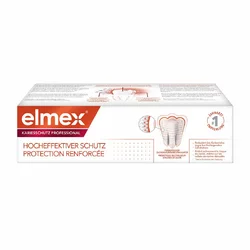
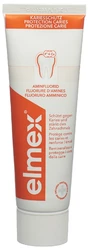
Ingredients – What makes a good toothpaste?
It is characterised by a combination of active ingredients that both clean and protect.
Fluoride is essential for protecting teeth. It strengthens enamel and makes it more resistant to acid attacks that can cause caries. Therefore every effective toothpaste should contain fluoride. However, some studies recommend avoiding it in certain contexts due to safety concerns. Other studies emphasise that the fluoride amounts normally found in toothpastes are safe and provide effective caries prevention.
Abrasive particles are indispensable for the mechanical cleaning of the dentition. They help remove plaque and surface stains. The content of abrasive substances varies depending on the type of product. In toothpastes for sensitive teeth it is often reduced, while whitening toothpastes contain higher concentrations to better combat stains. However, an excessively high content of hard abrasives can damage enamel over time, especially if too much pressure is used while brushing.
Substances such as sodium lauryl sulfate produce foam that helps remove food residues and bacteria more effectively when brushing. The foam ensures an even distribution of the cleaning particles in the mouth, resulting in a more efficient clean.
Flavour is not only important for acceptance, especially in children, but can also enhance the feeling of freshness in the mouth. Herbal extracts such as chamomile or sage can additionally have a soothing effect and care for the gums.
Zinc is another important ingredient found in some toothpastes. It has anti-inflammatory properties and can help reduce gum inflammation and improve oral hygiene. Zinc helps reduce plaque and can also neutralise bad breath.
Finding the right toothpaste therefore means choosing a balanced mix of these components that considers individual needs such as tooth sensitivity, a desire for whitening, or specific medical conditions.
Is fluoride toothpaste harmful?
Fluoride, when used correctly, is harmless and plays an important role in preventing caries. It is a salt of the element fluorine and has a completely different chemical structure from elemental fluorine, which is a highly toxic gas. This distinction is crucial: while fluoride helps strengthen enamel and inhibit caries-causing bacteria, pure fluorine would be dangerous.
With daily dental care, fluoride is converted to fluorapatite, a compound that makes enamel harder and more acid-resistant. This acid resistance helps effectively prevent caries. Fluoride also has a remineralising effect that can repair small damages to the tooth surface. It also helps prevent microorganisms from adhering to the tooth surface, which in turn reduces plaque formation and thus caries.
Although fluoride can technically be toxic at high doses, the amounts present in toothpaste are far below the dangerous level. In reality, one would need to ingest around three tubes to suffer health damage from fluoride.
Can toothpaste whiten teeth?
Whitening toothpastes promise whiter teeth but can sometimes do more harm than good. They contain abrasive substances intended to remove surface stains caused by coffee, tea or red wine by wearing away the enamel.
Some toothpastes contain special whitening ingredients aimed at combating stains more effectively. However, these substances carry the risk of damaging enamel with too frequent use. As a result, teeth can become rougher and more prone to absorbing pigments, which in the long term can lead to even stronger discoloration.
The most effective and safest method for tooth whitening is professional bleaching at the dentist. Stronger bleaching agents are used under controlled conditions to achieve visible results without excessively attacking the enamel. Over-the-counter bleaching creams are often less effective because the bleaching agents may only be present in low concentrations.
How does toothpaste work against receding gums?
Gum recession, also called gingival recession, is a serious issue that not only causes cosmetic concerns but can also endanger the structure and health of the dentition. When the gingiva recedes, parts of the teeth that are normally covered by the gums become exposed. This can lead to increased sensitivity and susceptibility to caries.
To counter this problem, there are special toothpastes tailored to the needs of receding gums. These toothpastes are characterised by their protective, soothing and anti-inflammatory properties. They contain gum-friendly ingredients with low abrasivity to avoid further damage to enamel and gum tissue.
In addition, these toothpastes are free from aggressive substances such as microplastics that can irritate the gums. Regular use of these specialised toothpastes together with careful brushing technique can significantly improve the condition of the gingiva. Even at the first signs, such as bleeding gums when cleaning the teeth, one should not hesitate to act promptly.
Integrating these special oral care products into the daily routine can help stop gum recession and strengthen the gingiva. A combination of the right toothpaste, regular professional dental cleaning and, if necessary, medically recommended measures from the dentist can make a significant contribution to maintaining dental health.
Which toothpaste is suitable for children?
Children's toothpaste is specially formulated to protect and care for children's sensitive primary teeth up to around six years of age. The main difference between children's toothpaste and adult toothpaste is the fluoride content. Children's toothpaste contains less fluoride because the enamel of primary teeth is softer and too much fluoride can cause so-called dental fluorosis, where the enamel becomes porous and white spots appear on the teeth.
Children's toothpaste is also characterised by lower abrasivity so as not to damage the sensitive enamel. A good children's toothpaste should not only protect against caries but also taste pleasant so that brushing becomes enjoyable. Fruity flavours such as strawberry or cherry are common and are usually preferred to the mint flavour of many adult toothpastes.
It is important that they do not contain harmful ingredients such as PEG/PEG derivatives or sodium lauryl sulfate, which can irritate the oral mucosa. These substances are often used for their foaming properties, but there are gentler alternatives. It should also be ensured that children spit out the toothpaste after brushing to avoid fluoride overdose and associated health risks.
For toddlers, especially under two years of age, fluoride needs can often be met from other sources, which is why toothpaste without added fluoride is sometimes recommended. As children get older and permanent teeth erupt, the fluoride content of the toothpaste can be adjusted to provide optimal protection.
How to choose and use toothpaste optimally: here’s how to do it right
- Make sure the toothpaste you choose has the recommended fluoride content of 1000 to 1500 ppm for adults. Fluoride strengthens enamel and protects effectively against caries.
- Use the correct amount. A pea-sized amount of toothpaste is sufficient for both children and adults to achieve optimal cleaning results.
- Do not use adult or junior toothpaste for small children, as these can contain too much fluoride. If children swallow larger amounts, dental fluorosis can occur, causing cosmetic problems.
- For sensitive teeth or periodontitis you should choose a toothpaste with a low RDA value (30-60). This minimises abrasion and protects enamel.
- For gum recession an antibacterial toothpaste containing fluoride is recommended. It supports dental health and can slow down the recession.
- If you have sensitive teeth, choose a sensitive toothpaste. It reduces pain sensations and protects exposed tooth necks.
- Whitening toothpastes often contain abrasive polishing particles that can damage enamel. Use such products only in moderation.
- Avoid titanium dioxide in children's toothpaste, as it is suspected of being harmful to health. Instead choose products without this additive.
- Try solid toothpaste for the environment. It is an eco-friendly alternative to conventional tubes. It mainly contains natural ingredients and comes without plastic packaging.
- For allergies or sensitive skin choose a low-allergen toothpaste without artificial additives. Tooth salt can be a gentle alternative.
- Use a zinc-containing toothpaste to help prevent gum inflammation and promote gingival health. Pay attention to a safe concentration of maximum 1% for children from one year old.
- Choose a toothpaste without triclosan to minimise the risk of antibiotic resistance and allergies.
- In periodontitis a low-abrasion toothpaste with antibacterial agents is advisable. It helps slow the progression of the disease.
- Prevent tartar formation by using plaque-reducing toothpaste and regular professional cleanings.
- If you make your own toothpaste, you can use ingredients like coconut oil and baking soda. Make sure to include additional fluoride sources in your diet to protect enamel.
Toothpaste is the daily companion that not only provides fresh breath — it protects our teeth from caries and strengthens the gingiva. With the right toothpaste you can address individual needs such as sensitive teeth. The right toothpaste lays the foundation for long-term healthy teeth and a radiant smile.