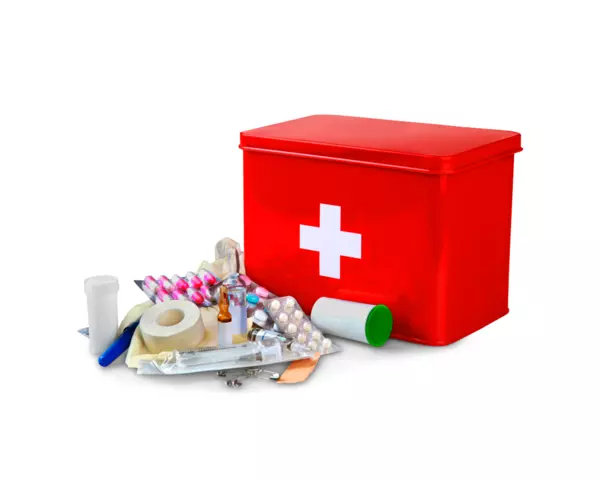
Travel first-aid kit
For all emergencies on holiday
editorial.overview
Why is a travel first-aid kit important?
A well-equipped travel first-aid kit is essential to effectively deal with health problems while on holiday. Language barriers abroad can often mean that symptoms are not described correctly and the right medicines cannot be obtained. In addition, searching for a pharmacy locally can be time-consuming and eat into valuable holiday time.
The quality and availability of medicines differ internationally. In some countries certain products are not available at all or only in different dosages. Therefore it is important to plan the travel kit carefully, taking into account individual needs as well as the destination and travel plans.
While travelling, air-conditioned spaces, unusual sun exposure and unfamiliar food can often lead to colds, sunburn and gastrointestinal complaints. Illnesses and injuries on site should not spoil the trip either. With a well-prepared travel kit you are equipped for unforeseen health problems and can enjoy your trip with peace of mind.
Travel kit checklist - which medicines should you take?
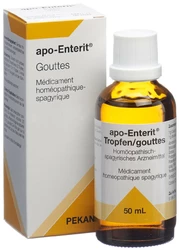
A well-stocked travel kit should include some basic medicines and aids to be prepared for various health issues. Start with remedies for nausea and vomiting, such as dimenhydrinate in tablet and suppository form to treat severe vomiting. Pain and fever relievers like ibuprofen or paracetamol are indispensable. Remedies for nasal congestion and sore throat, such as nasal spray or throat lozenges, should also be included.
For allergic reactions to insect stings, foods or other substances an antihistamine is necessary. Remedies for diarrhoea and constipation should also be on hand. Sunscreen with a sun protection factor of at least 30 and insect repellent containing active ingredients like DEET or Icaridin, particularly for children and pregnant women, should not be missing.
For wound care bring disinfectants such as povidone-iodine solution, alcohol disinfectant wipes and bandaging material such as gauze bandages, compresses, plasters (including waterproof), scissors and disposable gloves. A thermometer and cooling ointments for sunburn or an after-sun lotion are practical. A vaccination record and, if applicable, an allergy card should also be carried. Antiseptic wound and healing ointments such as Bepanthen as well as wound-cleaning wipes for hand luggage are also useful.
For added safety, a tick card, a splinter or tick tweezer and, if appropriate, a broad-spectrum antibiotic in consultation with your doctor can be sensible. Personal medications for chronic conditions should of course not be forgotten. Also remember contraceptives such as the pill or condoms.
What belongs in the travel kit for children?
A children's travel kit is particularly important because their immune system is not yet fully developed and they are therefore more susceptible to infections. Colds, diarrhoea or skin irritations are common and can usually be treated at home.
It is important that the kit contains age-appropriate medicines for babies and children. Fever suppositories relieve cold symptoms and fever, decongestant nasal drops clear a blocked nose. Caraway suppositories can help with stomach pain and fennel tea with wind.
For skin care take wound healing ointments or zinc ointment for sore nappies. A cooling gel helps with itching after insect bites and a digital thermometer is also part of the travel essentials. Sunscreen with a high protection factor is essential for babies. Wound care should be age-appropriate. Soft-adhesive products with silicone glue, colourful plasters or child-friendly bandages can distract little patients and increase compliance.
Travel kit for flights - what should be considered?
When flying, it is useful to know the security regulations for medicines. Liquid medicines such as cough syrup, creams and ointments may only be carried in hand luggage in containers of no more than 100 millilitres. These containers must be transported in a transparent, resealable bag which in total must not contain more than one litre of liquid. Medicines in tablet or powder form are exempt from this restriction.
For prescription medicines needed during the flight, such as insulin syringes or asthma inhalers, a doctor's certificate in English is required. This certificate should be presented at security or customs.
Life-saving or regularly required medicines should always be carried in hand luggage to have immediate access in an emergency. Careful preparation and adherence to security regulations ensure that medicines can be carried without problems during the trip.
How should medicines be stored during your trip?
The correct storage of medicines while travelling is crucial for their effectiveness. Medicines must be protected from transport damage, sunlight and temperature fluctuations. It is advisable to carry medicines in their original packaging to protect them from light and to have the package leaflet handy.
Tablet medicines can generally be stored at room temperature (15 to 25 °C). Short-term fluctuations are usually unproblematic, but direct sunlight and excessive heat should be avoided. For medicines that must be refrigerated (2 to 8 °C), a special cooling bag is required, which is available in pharmacies.
Liquids such as cough syrup, often packed in small glass bottles, should be transported in a break-proof manner, for example wrapped in bubble wrap. An insulating packaging such as a padded bag or a small suitcase also protects medicines from heat and cold.
Practical tips for assembling your travel kit
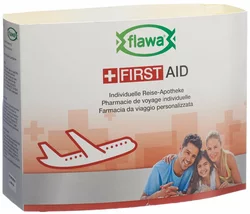
- You can buy a ready-packed travel kit. Such sets usually contain only the basic equipment and should be supplemented if necessary, for example if you are prone to certain illnesses, travel with children or go on a sports trip. Keep the package leaflets handy.
- Medicines that you take on a daily basis should not be missing from your travel kit. These can include insulin, heart tablets, eye drops, blood thinners or blood pressure medications. Bear in mind that your suitcase may arrive late at your holiday destination and therefore carry an appropriate supply in your hand luggage.
- When packing the travel kit, pay close attention to the expiry date. Do not use expired or improperly stored medicines. Signs such as discoloration, cloudiness or swollen packaging indicate spoiled medicines. Prefer unopened or recently opened medicines.
- For liquid medicines in your luggage obtain a medical certificate so that there are no problems at airport security. Treat yourself to a special bag with cooling elements for transport.
- For a sports holiday you will additionally need remedies and pain-relieving ointments for sprains and muscle soreness. If you are a keen diver or snorkeller, remember ear drops as well.
- If you are allergic to something, be sure to take your usual allergy medicines. Note that flowering seasons vary abroad. You can check these in advance with a pollen calendar.
- Inform yourself thoroughly before the holidays about necessary vaccinations and travel medicine, especially for trips to tropical regions. Also seek advice about antimalarial tablets.
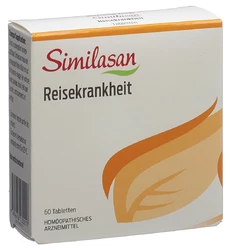
- To be prepared for all eventualities, be sure to take medicines for motion sickness, painkillers for quick relief and blister plasters for unexpected foot problems.
- When travelling with children, take more medicines than usual, as small children often spit out tablets.
- Consider the time difference if your medication needs to be taken at a fixed time – otherwise its effect may be impaired. Remember that it is the interval between doses that matters, not the exact clock time.
- Before long flights or car journeys, seniors should discuss possible individual thrombosis prevention with their GP.
A carefully assembled travel kit is an indispensable part of any trip preparation and ensures supply of important medicines for minor health complaints or injuries. A well-thought-out travel kit is ultimately an expression of foresight and care and helps to maximise enjoyment and well-being while travelling.