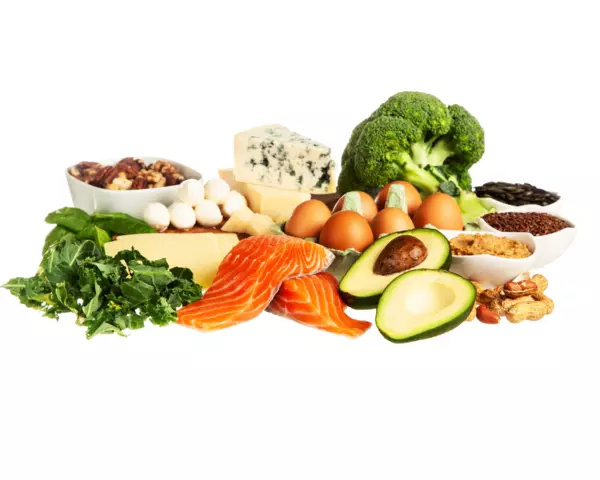

Vegan Nutrition
Plant-based, healthy and environmentally conscious
editorial.overview
What are the main reasons for a vegan lifestyle?
As early as 1944, a small group of vegetarians in England coined the term “vegan”. They decided to give up everything of animal origin and shortened the English word “vegetarian” by using the first three and the last two letters.
Vegans neither eat meat nor dairy, eggs or honey, and use only care and cosmetic products without animal ingredients. Most vegans also avoid other animal products such as wool, silk or leather. The reasons for choosing veganism are generally health, animal welfare and environmental protection.
A purely plant-based diet is considered especially healthy. This way of eating can save a lot of CO2, which benefits climate protection. A vegan lifestyle uses fewer resources, promotes sustainability and prevents the poor treatment of farm animals such as dairy cows and laying hens.
What should a healthy vegan diet look like?
Vegan does not automatically mean healthy, though. It is important not only to avoid animal products but also to follow a healthy, balanced diet and take any individual supplements that are necessary.
Andreas Hahn, Professor of Food Science and Human Nutrition at Leibniz University Hannover, explains: “You can also eat vegan with fries and ketchup. But that has nothing to do with a healthy vegan diet – what really matters is the overall composition of the foods.”
Lots of vegetables, fruit and wholegrain products should be on the plate so that beneficial microorganisms in the gut can multiply and positively influence the immune system and mental health.
On a meat-free diet, you should follow the vegan food pyramid developed by the Institute for Alternative and Sustainable Nutrition (IFANE): what is at the very bottom should be eaten the most, what is at the top the least. The base of the pyramid consists of beverages, followed by vegetables and small amounts of seaweeds and fruit, then wholegrains and potatoes, above them nuts, seeds, legumes and other protein sources as well as milk alternatives. At the top are plant oils and fats and the pyramid is completed by small amounts of snacks, sweets and alcohol.
What health benefits does a plant-based diet offer?
The positive effects of a vegan diet are due to the higher content of fibre, vitamin C, magnesium, folate and carotenoids in plants. Plant foods contain less saturated fat and cholesterol.
In general, vegans tend to lead healthier lives: they are more active, do not smoke and usually drink little alcohol. Scientists found that giving up animal products improves blood sugar levels and helps with weight loss already a few months after changing diet. Danish researchers analysed data from eleven different studies involving a total of 796 people who were overweight or had type 2 diabetes. Participants who ate strictly plant-based for twelve weeks improved their blood sugar and cholesterol levels and lost on average around 4 kg. The improvement in blood sugar may be due to the high fibre content. Besides satiety, fibre also affects nutrient absorption and promotes the diversity of our microbiome.
According to a survey by the magazine “nu3”, vegans have the best sex: 72% are (very) satisfied with it. And 82% feel overall better than ever before. According to the World Health Organization (WHO), a plant-based diet leads to a longer life expectancy, while meat consumption increases cancer risk.

What risks does a vegan diet carry?
A study by the Federal Institute for Risk Assessment (BfR) did, however, find that vegans have poorer bone health. When giving up animal products, a balanced nutrient intake is therefore important.
Vitamin B12 is not present in sufficient amounts in plant foods. A deficiency can lead to serious health problems such as nerve damage and anaemia. Vegans should therefore turn to fortified foods or a vitamin B12 supplement.
Plant-based iron sources (non-heme) are less efficiently absorbed than iron from animal products. This can lead to anaemia. Adequate iron intake is important, and absorption can be supported by consuming vitamin C-rich foods.
What should you watch out for with vegan convenience products?
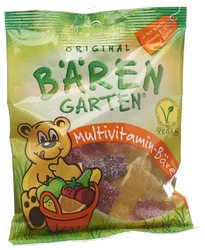
Buying only meat-free convenience products is not advisable. They usually contain a lot of salt and additives. Be sure to check the ingredients. This is especially true for vegan meat, fries and vegan sweets.
How to succeed with a balanced plant-based diet: key tips
- On a vegan diet there can be a deficiency of vitamin B12. Vegans find this essential vitamin in plants only in sauerkraut and some mushrooms like shiitake, but that is not enough to prevent B12 deficiency. Therefore a vitamin B12 supplement should be taken.
- It is particularly important to ensure sufficient intake of omega-3 fatty acids. These are typically obtained from fish and eggs. Vegans can get these fats from flaxseed, hemp, walnut and rapeseed oil as well as from flax, hemp and chia seeds.
- The best vegan sources of iron are spinach and other green leafy vegetables as well as whole grains and nuts. Drink an orange juice rich in vitamin C so the body can use the plant iron more effectively.
- Daily needs for zinc can be well met with wholegrain products, oats, lentils, pumpkin seeds and soybeans. Avoid drinking coffee or tea with meals as they inhibit zinc absorption.
- Good iodine sources for vegans are iodised salt and seaweeds such as nori and wakame. If you have a thyroid condition, discuss iodine intake with your doctor.
- The simplest way to get enough calcium is to drink calcium-rich mineral water. Kale, broccoli and nuts are also valuable calcium providers.
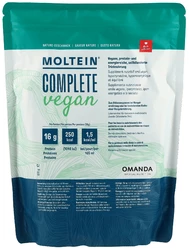
- The best plant protein sources are quinoa, tofu, tempeh, edamame, amaranth, buckwheat, spirulina, hemp seeds, chia seeds, nutritional yeast, hummus, seitan, lentils, chickpeas, beans, peas, spelt, soy milk, oats, wild rice, nuts and seeds. It is important not to rely on single protein sources, as most plant-based protein-rich foods provide only some of the essential amino acids. Athletes and people in recovery can additionally use plant protein powders from rice, pea, hemp or lupin.
- For the body to synthesise L-carnitine itself, the diet should provide sufficient amounts of the amino acids lysine and methionine, iron, folate, vitamin B3, vitamin B6, vitamin B12 and vitamin C.
- Sun-dried mushrooms can provide the body with vitamin D. After just two days of sun exposure, mushrooms contain more than 40’000 IU of vitamin D, so small amounts can be enough to meet vitamin D needs. You can also take vitamin D supplements.
- Among the best plant sources of vitamin B2 are almonds (0.6 mg per 100 g), fresh mushrooms (0.45 mg) and dill (0.4 mg). Vitamin B2 can also be provided via supplements.
- To prevent a vitamin K2 deficiency, vitamin K1 should be converted to vitamin K2 in the body. Vitamin K1 is particularly abundant in green leafy vegetables, herbs, legumes and brassicas. There are also vegan vitamin K2 supplements that contain microbially produced K2 in the form of menaquinone-7, whereas menaquinone-4 is of animal origin.
With these tips you can make your plant-based diet healthy and enjoy all the benefits of veganism!