Nutrition during pregnancy
The best superfoods for two
editorial.overview
How does nutrition during pregnancy affect mother and child?
Nutrition plays a crucial role during pregnancy because it concerns not only the mother but also the unborn child. Nutrients from food pass through the placenta and the umbilical cord into the baby's body to support its development. Therefore it is important to follow a healthy and balanced diet.
There is no additional calorie requirement during the first four months of pregnancy. Only later in pregnancy does the calorie requirement increase slightly. About 250 extra calories per day are ideal — roughly equivalent to a slice of wholegrain bread with low‑fat cheese and tomato. A vegetable soup or a pot of yoghurt with fruit and muesli can also provide this additional amount of calories.
In general, during pregnancy it is advisable to eat better rather than eat more. The quality of the diet should be carefully considered and, if necessary, improved to prevent possible deficiencies. An expectant mother should try to obtain more vitamins and minerals through the foods she chooses.
Why are wholegrain products particularly important for pregnant women?
To meet the increased need for vitamins and minerals during pregnancy, certain foods can be included in the meal plan: wholegrain products for energy and fibre.
Wholegrain foods such as wholegrain bread, oats, quinoa and brown rice should be included in the diet. They are rich in fibre, vitamins and minerals, support healthy digestion and provide long‑lasting energy. In addition, eating wholegrain foods helps to keep blood sugar levels stable.
Why are proteins and healthy fats crucial during pregnancy?
Protein is an essential building block for the growth and development of the baby. It is important to include protein sources such as lean meat (e.g. chicken or turkey), fish (especially fatty types like salmon), legumes, eggs and dairy products in the diet. They provide not only high‑quality protein but also valuable nutrients such as iron, zinc and omega‑3 fatty acids.
Healthy fats play a decisive role in pregnancy. Avocados, nuts, seeds and vegetable oils such as olive oil and rapeseed oil contain beneficial fats that are indispensable for the baby's brain development and the absorption of fat‑soluble vitamins. However, trans fats and saturated fats from fried and industrially processed foods should be avoided.

Which nutrients do pregnant women need in higher amounts?
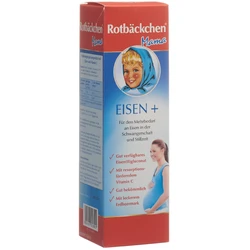
Certain nutrients deserve special attention during pregnancy. Iron‑rich foods such as meat, legumes, green leafy vegetables and fortified cereals are highly recommended, as iron contributes to blood formation in mother and child and is essential for oxygen transport from mother to baby.
Calcium‑rich foods such as dairy products, green leafy vegetables and fortified plant‑based milk alternatives support the baby's bone development.
Iodine is another nutrient required in greater amounts during pregnancy. Requirements increase by about 15%, from 200 to 230 micrograms. This trace element contributes to normal production of thyroid hormones and normal thyroid function. Even a mild iodine deficiency can affect a baby's development. Growth problems and later hypothyroidism can result. Signs of iodine deficiency during pregnancy may include increased fatigue, lack of energy and pale skin.
Which foods should pregnant women avoid and what risks do they pose?
Besides choosing the right foods and nutrients, it is also important to avoid harmful substances. Alcohol consumption during pregnancy can have serious effects on a baby's development. It increases the risk of birth defects and developmental disorders.
Caffeine intake should also be moderate during pregnancy. Although there is no definitive evidence of negative effects of caffeine on pregnancy, some studies suggest that high caffeine consumption may be associated with an increased risk of miscarriage, preterm birth and lower birth weight. It is recommended to limit caffeine intake to about 200 mg per day. Caffeine is found in coffee, tea, some soft drinks and chocolate.
Raw or undercooked meat products such as tartare, raw minced meat, rare steak or raw sausages can contain bacteria like Salmonella or Toxoplasma, which can be dangerous for your baby.
Raw or insufficiently cooked fish such as sushi, sashimi or oysters can contain harmful bacteria or parasites.
Unpasteurised milk and dairy products can harbour bacteria such as Listeria, which can cause serious illness. It is important to avoid these foods and drinks to minimise the risk of complications during pregnancy.
Nutrient power for the baby: the best nutrition tips for expectant mothers
- Eat foods high in folate such as green leafy vegetables, legumes and fortified cereals to support the baby's development.
- Try chia seeds, as they are rich in omega‑3 fatty acids and fibre, beneficial for both you and the baby.
- Increase consumption of iron‑rich foods such as red meat, spinach and legumes to promote the production of red blood cells.
- Eat yoghurt containing probiotic bacteria to improve your digestive health.
- Experiment with different types of legumes such as lentils, chickpeas and black beans to raise your protein intake.
- Regularly include foods high in vitamin C, e.g. citrus fruits, peppers and broccoli, to strengthen your immune system.
- Increase your intake of fruit and vegetables in all varieties. Freshly pressed juices or vegetable soups are recommended, as are crunchy raw vegetables and steamed or cooked vegetables. Plant‑based components are filling and healthy for both mum and baby.
- Limit yourself to a maximum of two tablespoons of butter or cream per day to control saturated fat intake and support a healthy weight during pregnancy.
- Also take care not to consume excessive salt and sugar. Nutrition experts recommend limiting yourself to a small portion of sweets or one snack product per day.
- Raw or partially cooked eggs can contain Salmonella. Make sure eggs are fully cooked or heated to avoid potential health risks.
- During pregnancy it is important to drink enough fluids. Water is the best choice to keep the body hydrated. Adequate fluid intake can help prevent pregnancy complaints such as constipation and urinary tract infections.
A healthy diet during pregnancy lays the foundation for the well‑being of mother and child. It is advisable to consult a doctor or a nutrition professional to receive individual recommendations tailored to specific needs.