Zinc
This trace element gets your body running at full speed
editorial.overview
What functions does zinc perform in the body?
Zinc is a true all-rounder and performs a wide range of vital functions in the human body. As an essential component of numerous enzymes, it contributes significantly to biological processes that are indispensable for health and wellbeing.
It is particularly important for cell growth and cell division, making it crucial for wound healing and the regeneration of skin and tissue. At the same time, it supports the immune defenses by strengthening the immune system and often positively influencing the course of common colds.
Furthermore, zinc is involved in antioxidant processes and helps neutralise free radicals produced by metabolic processes, UV radiation or smoking, which can damage cells and DNA.
In addition, zinc contributes to the regulation of blood sugar levels and is involved in the formation of the red blood pigment haemoglobin, which is essential for oxygen transport in the body. Hormone production and sperm formation are also not optimal without adequate zinc intake.
What role does phytate play for zinc absorption?
Phytate is a natural component of many plant foods such as legumes and whole grains. It serves plants as a storage form of phosphorus. In the human body, however, phytate can bind minerals such as zinc, iron and calcium in the gastrointestinal tract and thus reduce their absorption. This means that zinc from phytate-rich foods is less available to the body.
Certain preparation methods can reduce phytate content and thereby improve zinc absorption. Soaking, sprouting or sourdough fermentation breaks down phytate and increases zinc bioavailability. Combining plant foods with animal protein can also improve absorption. Conversely, beverages such as alcohol and coffee can further inhibit zinc uptake.
How does zinc support the immune system during a cold?
When fighting common colds, zinc plays a decisive role by supporting the immune system on several levels. One of the most important mechanisms is that zinc prevents cold viruses from attaching to the cells of the nasal mucosa. Instead, zinc binds to these sites, making it harder for viruses to spread.
In addition, zinc inhibits the growth of pathogens and slows their replication, so the cold cannot spread as strongly. Inflammatory reactions are also positively influenced by zinc. It regulates histamine release and affects prostaglandin metabolism, which reduces swelling of the mucous membranes. As a result, the nose remains clearer and breathing is facilitated.
How does zinc intake affect wound healing?
Zinc is also an essential trace element that plays a central role in wound healing. It supports cell division and cell regeneration by promoting the synthesis of proteins and DNA – both necessary to repair damaged tissue and form new skin cells. Adequate zinc supply can therefore not only speed up wound healing but also reduce the risk of infection.
Scientific studies show that zinc promotes the proliferation of fibroblasts – cells responsible for forming connective tissue. This makes it particularly valuable for regeneration after skin injuries or surgery.
Zinc is also used in medicine specifically for wound healing. Zinc ointments and creams strengthen the skin barrier and have anti-inflammatory effects, while zinc-based dressings additionally promote blood circulation and support the healing process. Especially for chronic wounds such as venous ulcers or pressure sores (decubitus), targeted zinc supply can make a decisive difference.
Can too much zinc harm the body?
Although zinc is indispensable for many bodily functions, an excess can also have negative consequences. It is particularly problematic that too much zinc inhibits copper absorption. Since copper plays an important role in iron metabolism, a long-term imbalance can lead to anaemia. To avoid such risks, the European Food Safety Authority (EFSA) has set a maximum amount of 25 mg of zinc per day for adults. For children, the recommended limit ranges from 7 mg for 1- to 3-year-olds to 22 mg for 15- to 17-year-olds.
An excess of zinc usually does not result from a normal diet, but from the excessive use of dietary supplements or the regular use of zinc-containing oral hygiene products such as toothpaste, mouthwashes or denture adhesives. Therefore, people who take zinc supplements should ensure they do not consistently exceed the recommended maximum amount to avoid possible health consequences.
Are there side effects when taking zinc?
In rare cases, especially with excessive dosing or long-term intake without medical advice, side effects may occur.
Possible complaints include stomach discomfort, nausea or diarrhoea, which often occur when zinc supplements are taken on an empty stomach. In very rare cases, allergic reactions can also occur. Another risk is a copper deficiency.
If such symptoms occur, zinc intake should be reconsidered and, if necessary, a doctor consulted. In most cases, complaints disappear quickly after discontinuation or adjustment of the dose.
Zinc: how to get the most benefit from this trace element
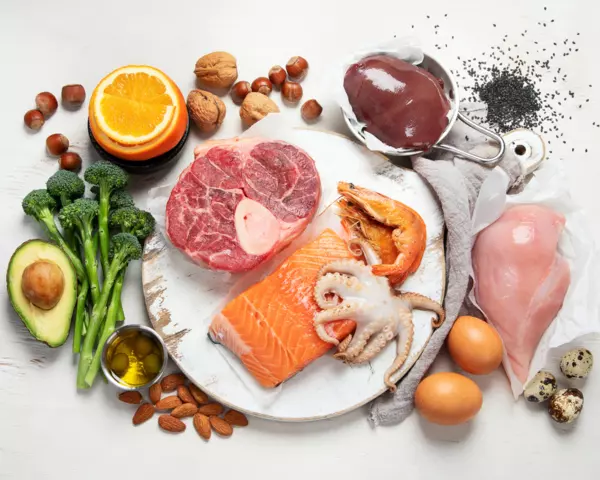
- Rely on zinc-rich foods. Zinc is found in both animal and plant foods. Particularly high amounts are found in oysters, beef, cheese and eggs. Plant sources such as oats, nuts or legumes are also rich in zinc, but the body can absorb it better from animal products.
- Combine plant and animal foods. Plant sources such as nuts or legumes contain phytates, which inhibit zinc absorption. Combine these with products like cheese or yoghurt to increase bioavailability.
- Soak grains and legumes. Phytic acid in whole-grain products can hinder zinc absorption. Soaking, sprouting or sourdough fermentation reduces phytate content and improves zinc utilisation.
- Avoid zinc blockers like coffee, tea and alcohol. Tannins in coffee and tea as well as alcohol can block zinc absorption. Drink these beverages at least one hour after a zinc-rich meal.
- Watch for symptoms of zinc deficiency. Frequent infections, brittle nails, skin problems or slow wound healing can be signs of zinc deficiency. Have your zinc level tested if necessary.
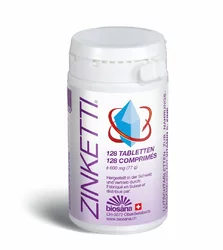
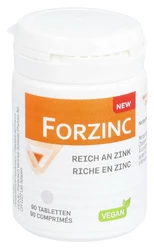
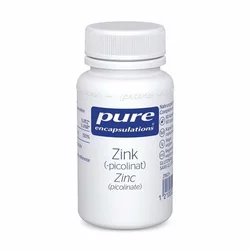
- Take zinc supplements preferably on an empty stomach. Avoid taking them at the same time as iron- or calcium-rich foods, as these can inhibit zinc absorption.
- Prevent fertility problems if trying to conceive. Zinc is essential for sperm formation and hormonal balance. A deficiency can impair fertility, which is why adequate intake is particularly important.
- Reduce stress for a stable zinc balance. Stress can increase zinc consumption in the body. Pay attention to a balanced diet and include regular recovery periods in your daily routine.
- Include more nuts in your diet. Walnuts, cashews and almonds are not only healthy snacks but also good sources of zinc. A handful a day provides valuable nutrients for your body.
- Be aware of interactions with medications. Certain antibiotics or drugs for heartburn can reduce zinc absorption. If you take medications regularly, discuss possible interactions with your doctor.
Zinc is an essential trace element that performs numerous functions in the body – from supporting the immune system to wound healing and the health of skin and hair. Because the body cannot store zinc, regular intake through the diet is essential, with animal sources offering higher bioavailability than plant sources. A balanced diet with zinc-rich foods such as meat, nuts and whole grains helps meet daily requirements and prevent deficiencies.