

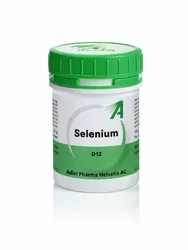
Selenium
This mineral gives you more protection
Selenium – What is it exactly?
Selenium is an essential trace element that the human body cannot produce itself and therefore must be obtained through the diet. After absorption in the small intestine, it is transported via the blood and primarily stored in skeletal muscle. Selenium occurs at varying concentrations in all organs and tissues of the body. Larger amounts are found in the liver, kidneys, heart, pancreas, spleen, brain, eyes, testes, red blood cells and platelets. Excess selenium is excreted in the urine.
As a chemical element, selenium belongs to the metalloids and is mainly found in nature in sulfur-containing ores. Its availability in the diet depends strongly on the selenium content of the soil, which varies regionally. While selenium-rich soils are common in North America, soils in Central Europe, particularly in Germany, Austria and Switzerland, contain comparatively little selenium. Because plant foods in these regions contain only small amounts, animal feed may be fortified with selenium, making animal products an important source of selenium.


What functions does selenium have in the body?
Selenium is an essential trace element that plays a central role in many metabolic processes. It is a key component of various enzymes and proteins that perform numerous functions in the body. An important role of selenium is the protection of cells against oxidative stress, as it neutralises free radicals acting as an antioxidant. This contributes to the health of skin, hair and nails.
The immune system also benefits from adequate selenium intake, as it supports the production of defence cells and promotes the formation of antibodies. Selenium is also critical for the normal function of the thyroid gland. Selenium is particularly important for men because it contributes to the formation of healthy sperm and therefore plays a role in fertility. High concentrations of the trace element are found in the testes, where it protects sperm cells from oxidative damage.
Furthermore, selenium is indispensable for the liver, as it is involved in detoxification processes and helps to neutralise harmful substances. Selenium is also important for the eyes because it helps to counteract free radicals generated by UV radiation, thereby protecting the cells of the eye lens. There is also evidence that a good selenium status can positively influence sleep quality. A possible impact of selenium on blood pressure is discussed, but further research is needed. Adequate selenium intake is also required during pregnancy and breastfeeding, as it supports the healthy development of the unborn child.
Why is selenium important for the thyroid?
Selenium plays a central role for the thyroid gland, as this trace element is essential for its function and health. The thyroid stores the highest amount of selenium per gram of tissue in the body, underlining the importance of this micronutrient for the gland. Selenium-dependent enzymes, particularly the deiodinases, enable the conversion of the inactive thyroid hormone (T4) into the biologically active form (T3), which regulates numerous metabolic functions in the body. An adequate selenium status is therefore especially relevant for stable hormone production and activation.
Selenium also protects the thyroid from oxidative damage. Hormone production generates reactive metabolic by-products such as hydrogen peroxide, which can attack cells. Selenium-containing enzymes, especially glutathione peroxidases, break down these harmful substances and thus have anti-inflammatory effects. Selenium deficiency can increase the risk of autoimmune thyroid diseases such as Hashimoto's thyroiditis and lead to progressive underfunction of the gland.
In cases of existing thyroid disease or when taking L-thyroxine, attention should be paid to adequate selenium intake to support hormone regulation. If selenium intake from food is insufficient, high-quality supplements can help meet requirements and stabilise thyroid function.
What happens in selenium deficiency?
A selenium deficiency usually does not occur due to insufficient dietary intake, but rather because of illnesses that impair the absorption or utilisation of selenium. Symptoms of selenium deficiency include increased susceptibility to infections, muscle weakness, hair loss, dry and pale skin, and disturbances of thyroid function.
Concentration and sleep disorders as well as depressive moods may also occur. In men, fertility problems can arise, and in pregnant women, low birth weight, preeclampsia and miscarriages may occur. Long-term deficiency can lead to serious health problems such as heart muscle damage or changes in bones and joints.
What can cause selenium deficiency?
Selenium deficiency can be caused by various factors that affect selenium intake through food or selenium utilisation in the body. Vegetarians and vegans should pay particular attention to adequate selenium intake, as plant foods often contain less bioavailable selenium than animal products. Animal products are generally rich in selenium because animal feed is fortified. A balanced mixed diet usually ensures adequate intake, provided there are no diseases that impair absorption or metabolism of selenium.
Diseases that impair selenium utilisation include chronic inflammatory bowel diseases, cystic fibrosis and renal insufficiency. In these conditions, the body is unable to absorb or utilise selenium optimally, increasing the risk of deficiency. Smoking and excessive alcohol consumption increase oxidative stress in the body and raise selenium needs. In addition, the selenium content of plant foods may vary regionally. In areas with low soil selenium content, there is a higher risk of insufficient supply.
Does taking selenium have side effects?
Taking very high amounts of selenium can have serious side effects. Although selenium is essential for many body functions, an overdose, especially in the form of supplements, carries health risks. Excessive selenium intake can lead to so‑called selenosis, a form of selenium poisoning. The most common symptoms of selenium poisoning include a characteristic garlic odour on the breath, skin changes such as dry skin and hair loss, and gastrointestinal complaints. Neurological disorders such as memory and visual disturbances can also occur.
In severe cases, excessive selenium intake can damage internal organs and lead to severe neurological impairments such as numbness, paralysis and pain. Caution is particularly advised with chronically elevated selenium intake from supplements. Even with recommended dosages, long-term high intake is risky and should always be discussed with a physician.
The safest upper limit for daily selenium intake is about 300 µg, as recommended by the European Food Safety Authority (EFSA). Intake via food, as obtained from selenium-rich foods, generally does not cause side effects because the dose is markedly lower. When using selenium preparations, the recommended dose should always be observed to avoid health risks.
How to meet your selenium needs: practical tips
- Include Brazil nuts in your diet. A small portion (5 g) already provides around 100 µg of selenium, which exceeds the daily requirement of 60–70 µg for adults. However, be careful not to eat too many, as Brazil nuts can contain radioactive substances.
- Eat fish and seafood regularly. Marine fish such as mackerel, herring and sardines are particularly good sources of selenium and help cover daily needs.
- Chicken eggs are a good source of selenium; one egg contains about 10.8 µg of selenium, contributing to your daily requirement.
- Mushrooms and shiitake are good plant-based sources of selenium. Make sure to choose mushrooms from controlled cultivation, as selenium content depends on the culture substrate.
- Enjoy more cabbage. In particular, white cabbage and broccoli can also provide notable amounts of selenium, albeit in lower doses than animal products.
- Lentils, beans and other legumes supply plant-based selenium, usually in the form of selenomethionine, an amino acid the body can store. Allium vegetables also contain selenium compounds, though in smaller amounts. It is especially advisable for women to reach the reference values.
- Take advantage of dairy products. Milk, yoghurt and cheese also provide moderate amounts of selenium and should be part of a balanced diet.
- Meat such as poultry or veal is also a good source of selenium. A small portion of poultry provides about 19.1 µg of selenium. In animal products, selenium often occurs as selenocysteine, which is directly incorporated into enzymes.
- If you have chronic illnesses, pay attention to your selenium status. People with chronic diseases such as cancer have increased selenium needs that should be met through diet or supplements. A balanced selenium level is necessary, as this trace element supports many bodily processes.
- Check your selenium status if needed. If you are unsure whether you get enough selenium from your diet, have your selenium status checked with a blood test and adjust your diet accordingly.
Selenium is an essential trace element that supports numerous bodily functions. To benefit from it, maintain a balanced diet with sufficient selenium-rich foods.