
Antioxidants
The natural fuel for a youthful appearance
editorial.overview
What are antioxidants?
Antioxidants are natural substances that are either produced by the body or taken in through the diet. They arise in the organism through various metabolic processes and are also found in many plant-based foods such as fruits, vegetables and nuts. A distinction is made between endogenous antioxidants, like enzymes and metabolic products, and those supplied from outside, for example as vitamins, minerals or phytochemicals.
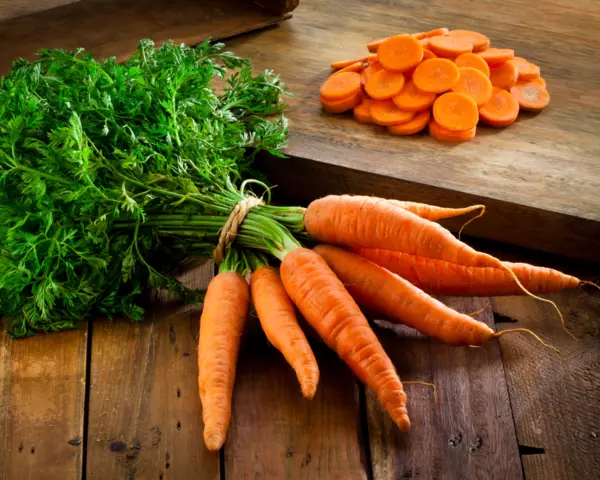
The best-known dietary antioxidants are vitamin C, vitamin E, beta-carotene, flavonoids and lycopene. These compounds occur in various plant sources such as spinach, tomatoes, red cabbage, cherries, berries or garlic. Antioxidants are also found in specific plant pigments such as the red and yellow betalains present in beetroot and Swiss chard. The interplay of these different substances forms an antioxidant network that supports the body.
How do antioxidants work in the body?
Antioxidants act in the body as so-called radical scavengers by neutralising free radicals. These aggressive compounds are produced either during natural metabolic processes or are triggered by external factors such as UV radiation, cigarette smoke and air pollution. Due to their chemical structure, antioxidants can donate an electron to free radicals, stabilising them so they no longer cause harm. In this way antioxidants prevent free radicals from attacking cells and damaging the body.
However, if the amount of free radicals exceeds the normal level, this is referred to as oxidative stress. This condition can contribute over time to the development of diseases such as cancer, cardiovascular problems and arteriosclerosis. Antioxidants help by reducing this stress and thus protecting the organism.
They are also used as preservatives in foods, cosmetics and medicines. They help to prolong product shelf life by preventing reactions with oxygen. On packaging, synthetic antioxidants are often identified by their E-number. Natural antioxidants such as vitamin C are also used for this purpose and help preserve the colour, smell and taste of foods.
What does the ORAC value indicate for antioxidants?
The ORAC value stands for "Oxygen Radical Absorbance Capacity" and measures the ability of a food to neutralise oxygen radicals. It provides information about the antioxidant potential of a food. To determine the capacity value, a food sample is exposed to free radicals and the inhibitory effect of the food on these reactive compounds is measured. The result is given in micromoles of Trolox per 100 g of food, Trolox being a vitamin E analogue used as a reference standard.
However, measurements of antioxidant capacity are not always reliable, as they can vary depending on the laboratory and the test method. Factors such as the solvents used, pH values and the type of radicals affect the outcome. In addition, antioxidant content can vary depending on growing conditions, climate and harvest time.
Although industry often promotes ORAC values, the significance of these figures is limited. They are frequently used in marketing to emphasise the health benefits of products. In practice, the relevance of the capacity value for everyday nutrition is controversial. It can, however, be useful for comparing different products or substances in terms of their antioxidant capacity.
Do antioxidants have a positive effect on the skin?
Antioxidants play an important role in skin care and contribute significantly to skin health and youthfulness. They counteract premature skin ageing by neutralising free radicals that damage cellular structures and collagen. This protection helps to prevent wrinkles, fine lines, dilated blood vessels and age spots, ultimately leading to a more even and firmer complexion.
Antioxidants also promote skin elasticity by slowing collagen breakdown. With improved elasticity, the skin appears fresher and more youthful. They also have anti-inflammatory properties that are especially beneficial for skin issues such as acne and rosacea, as they support healing and reduce inflammation.
Another important aspect is strengthening the skin barrier. Antioxidants help make the skin more resilient to external influences such as UV radiation and environmental pollution, reducing the risk of skin damage and disease.
The best-known antioxidants are vitamins C and E and beta-carotene. These substances are not only present in many foods such as fruits and plant-based foods, but also in high-quality skincare products. They can be applied as serums, oils or creams to deliver targeted benefits.
Antioxidants also help with specific skin issues. For example, vitamin C can reduce the formation of pigmentation spots, while retinol, a form of vitamin A, improves skin texture and promotes cell regeneration. Antioxidants such as astaxanthin and resveratrol help the skin repair sun damage and dryness.
Antioxidants – a natural sun protection?
Antioxidants are essential for protecting the skin from harmful UV rays and can be viewed as a natural complement to sun protection. Astaxanthin has proven particularly effective: it is a potent antioxidant found in certain algae and pink fish. Taken at least four weeks before intense sun exposure, it can protect the skin from sunburn and long-term damage such as skin cancer.
Furthermore, antioxidants can enhance the effectiveness of sunscreens. They not only help stabilise products but can also reduce UV-induced damage.
Which antioxidants are most important for the eyes?
The most important antioxidants for the eye are lutein, zeaxanthin and lycopene. Lutein and zeaxanthin are carotenoids found mainly in the retina and the macula. There they neutralise free radicals produced by incoming light and thus protect the eyes from age-related conditions such as macular degeneration or cataracts. The body cannot produce these antioxidants itself, so they must be obtained from the diet, for example by eating spinach, kale and other green vegetables.
Another important antioxidant is lycopene, which occurs mainly in tomatoes, pink grapefruit and papaya. It protects the delicate blood vessels and the retina from damage by free radicals, which can be helpful for eye issues such as dry eyes, cataracts or glaucoma.
Antioxidants support eye health by reducing oxidative stress and protecting cells from damage. An adequate intake of these radical scavengers through a balanced, fruit- and vegetable-rich diet can therefore help preserve vision and prevent age-related eye problems.
How to support your body with antioxidants: practical tips
- Include colourful fruits and vegetables in your diet to provide your body with a variety of antioxidants. The more intense the colour, the more antioxidant compounds are generally present.
- Drink a cup of Oolong or green tea daily. These varieties are rich in polyphenols that neutralise free radicals and help prevent cellular damage.
- Eat berries regularly, such as blueberries, raspberries and blackberries, as they are rich in anthocyanins and vitamin C and have antioxidant effects.
- Include apples in your diet, as they are rich in antioxidants, an important compound that can prevent oxidation in the body and reduce harmful molecules.
- Supplement your diet with astaxanthin from algae or krill oil. This powerful antioxidant protects cells from oxidative stress.
- Regularly use spices such as turmeric, cinnamon and ginger, as they contain high concentrations of antioxidant compounds like curcumin and gingerol.
- Eat a handful of nuts daily, such as walnuts, pecans or almonds, to provide your body with enough vitamin E and selenium and reduce oxidative stress.
- Add lentils, chickpeas or peas to your meals. These legumes contain many polyphenols with antioxidant effects and contribute to cellular health.
- Drink a glass of fresh pomegranate juice daily. Pomegranates are rich in vitamin C and polyphenols that protect the body from free radicals.
- Enjoy dark chocolate with a high cocoa content in moderation to benefit from the antioxidant properties of its flavonoids.
- Drink coffee, as it also contains antioxidants that help neutralise harmful molecules in the body and reduce oxidation.
- Eat spinach and kale regularly. These green leafy vegetables contain lutein and vitamin C, both of which are antioxidant and support eye health.
- Use cold-pressed vegetable oils in cooking, such as olive or sunflower oil. They are rich in vitamin E and polyphenols that reduce cell damage from free radicals.
- Add fresh onions to salads or cooking, as they are rich in quercetin, a potent antioxidant with anti-inflammatory properties.
- Use more cruciferous vegetables in cooking, such as broccoli or Brussels sprouts, which contain beta-carotene and vitamin C and contribute to the body's detoxification.
- Consider mineral supplements like zinc to support the action of antioxidants and promote your overall health.
Antioxidants are essential for our health because they help prevent cellular damage and strengthen the immune system. By consciously choosing foods rich in antioxidants, we can actively contribute to our well-being and support our defence mechanisms.