
Argan Oil
Morocco's liquid gold
editorial.overview
What types of argan oil are there?
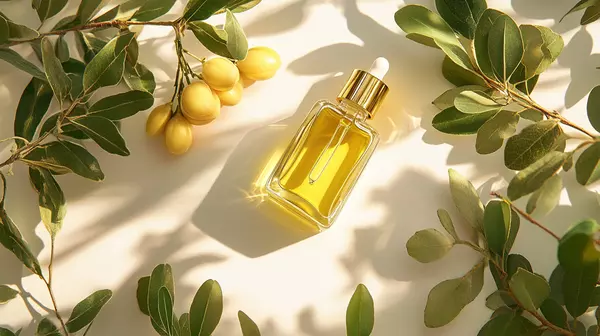
Argan oil comes from the berry fruits of the thorny Moroccan argan tree, each of which contains two to three seeds about the size of a sunflower seed.
Argan oil has a delicious, nutty flavour and can be obtained from either roasted or unroasted kernels of the fruit, depending on the variety. The oil from roasted kernels is used as a culinary oil, while the cold-pressed oil from unroasted kernels is primarily used in cosmetics and medicine.
What health benefits does argan oil offer thanks to its fatty acids and phytosterols?
Argan oil is characterised by a unique combination of saturated and unsaturated fatty acids, with a very high proportion of unsaturated fatty acids.
These fatty acids are an important fuel for our body, they are involved in the regulation of numerous metabolic processes and are required for a healthy brain metabolism. Without these fatty acids, our body could hardly function optimally.
The phytosterols in argan oil, unlike those in other oils, occur in two types: spinasterol and schottenol. They are important building blocks of the cell membrane, responsible for an intact cellular metabolism. They can slow the absorption of cholesterol in the intestine and thus reduce the risk of elevated cholesterol levels. This contributes to the prevention of cardiovascular diseases. In addition, spinasterol has a positive effect on blood sugar levels and may even improve insulin sensitivity. Phytosterols also help reduce the risk of breast and prostate cancer.
How do the antioxidants in argan oil affect the skin and body?
Argan oil also contains tocopherol, a powerful antioxidant that can protect cell membranes from harmful metabolic waste products, environmental toxins and UV radiation. 70% of the tocopherol in argan oil is alpha-tocopherols. These have high bioactivity. They strengthen the immune system, support the nervous system and stimulate protein metabolism.
Furthermore, argan oil supplies several secondary plant compounds, the triterpenyl alcohols. These are credited with anti-inflammatory effects and the ability to inhibit the growth of tumour cells. They are also capable of preventing the development of bacteria and viruses. Another key ingredient is the potent antioxidant squalene.
Why is argan oil particularly suitable for hair care?
Due to its unique composition, argan oil is versatile. It helps improve the elasticity of damaged and brittle hair.
Compared with other oils, argan oil has smaller molecules and can therefore penetrate the hair better. It binds moisture in the hair, does not stick and does not weigh the hair down. Argan oil cares for flaky scalp, promotes blood circulation and thus supports healthy hair growth. This positive effect on hair fibres can also increase the elasticity of eyelashes and promote denser growth.
How does argan oil help with skin problems such as acne or atopic dermatitis?
Argan oil absorbs quickly and contains a valuable combination of tocopherols and ferulic acid, found only in this oil. It acts positively on hormone-related skin dryness, protects the skin from drying out and makes it look fresher.
Moreover, the oil supports the healthy production of sebum in the skin and thus helps reduce crow's feet and eye wrinkles. What is special about argan oil is that it has a comedogenic rating of 0 and prevents the formation of comedones. Oily skin, pimples and acne therefore have no chance.
Argan oil can be used as a supportive treatment for psoriasis and atopic dermatitis: it has anti-inflammatory effects, soothes the skin and keeps its fat and moisture content in balance. In addition, argan oil is a good ally in the fight against cellulite: it promotes microcirculation in the subcutaneous tissue and increases the elasticity of connective tissue.
The versatility of argan oil – tips for every skin and hair type
- The aromatic argan oil from roasted seeds is used as a seasoning. It does not lose its valuable active ingredients when heated and is therefore also suitable for cooking. Argan oil can be used to prepare meat and fish dishes, soups, pasta, vegetables or on salads.
- As an anti-ageing remedy, argan oil is used at the first signs of natural skin ageing. In the evening, after cleansing, massage a few drops of the oil into the facial skin with circular movements.
- When treating pimples and acne, a temporary deterioration of the skin's appearance may occur. This is a natural part of the skin's regeneration process.
- For cellulite and to prevent stretch marks during pregnancy, it is advisable to regularly massage the affected areas with argan oil.
- For brittle nails, regularly massage the oil into the fingernails.
- For brittle hair prone to split ends, dandruff and hair loss, massage argan oil pure or mixed in equal parts with castor oil or macadamia oil into towel-dried hair and the scalp. After 30 minutes of application, rinse the oil out with shampoo. A drop of argan oil on the eyelashes prevents them from breaking prematurely.
- Chapped lips, rough elbows and other dry areas need intensive care. Mix some argan oil with your body lotion and apply it to the affected areas.
- High-quality argan oil has a mild, nutty smell. A neutral or unpleasant odour indicates an inferior oil, for example when the argan nuts have passed through the digestive tract of goats and manufacturers have tried to mask the smell with additives. Make sure the oil is organic and comes from a trusted source.
- Store argan oil in a dark, cool place. Contact with air and sunlight can spoil the oil. The refrigerator is not ideal for storing argan oil because a cloudy, flocculent substance may form, which does not, however, indicate a loss of quality.
Try this precious vegetable oil for yourself and your skin and hair will look fresher, smoother and optimally moisturised!