

Facial oils
A magical drop with powerful effects
editorial.overview
What benefits do facial oils offer your skin?
Facial oils are true multitaskers in skincare. They offer a wide range of benefits for all skin types and provide much more than you might expect at first glance.
They support the skin’s natural lipid barrier, which can be affected by stress, environmental factors or aging, and high-quality plant oils can help strengthen this protective function.
Contrary to the myth that oils make the skin greasy, they can help balance sebum production. On dry skin they replenish lipid stores, while on oily skin they can slow down overproduction. The result: a more balanced complexion.
Facial oils are a blessing for dry and tight facial skin. They lock in moisture and keep the skin elastic and supple. They are especially indispensable during the cold season.
Natural oils such as almond or marula oil have soothing effects and reduce redness and irritation. They strengthen sensitive skin and protect it from external influences.
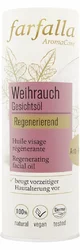
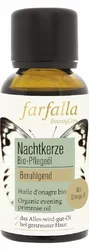
As we age, the skin loses firmness and moisture. Facial oils with anti-ageing properties like pomegranate or evening primrose oil can help compensate for this effect through their specific fatty acid profiles. They promote regeneration, soften fine lines and contribute to a firmer-looking complexion.
The antioxidant components of plant oils provide a fresh, even-looking complexion. Pigmentation marks are diminished and the skin gains a natural radiance.
Facial oil or serum: what’s the difference?
The differences between facial oils and serums lie in their base, texture and mode of action – but both play an important role in skincare.
Facial oils are oil-based formulations that form a protective film over the epidermis. They retain moisture, shield against harmful environmental factors and slow down skin ageing. Many facial oils are also enriched with plant extracts that give the skin a fresh radiance and make it feel supple. It is important to choose an oil suitable for your skin type, as not every oil is right for everyone.
A serum, by contrast, is typically water-based and has a lighter, fluid consistency. This allows the serum to penetrate deeply and deliver highly concentrated active ingredients. Serums are ideal for targeting concerns such as pigmentation, blemishes or wrinkles. Thanks to their deep-acting formulations and quick absorption, they achieve results that a regular moisturiser cannot.
Another difference is in application. Serums are applied before moisturiser to exert their reparative effects, while facial oils are applied after moisturiser to seal in moisture and protect the skin. Despite their differences, the two products complement each other well. Combined, they offer a comprehensive, intensely regenerating and protective treatment for every skin type.
Do facial oils dry out the skin?
Whether facial oils dry out the skin depends on the condition of the skin. Healthy skin has natural moisturising factors (NMF) and endogenous emulsifiers like lecithins or cholesterols. These substances help retain water and protect the skin barrier. On a healthy epidermis, an oil-based treatment is often sufficient.
The picture is different for sensitive, dry or hormonally aged epidermis: here, important moisturising factors and emulsifiers are often lacking. In such cases, oil alone may not sufficiently nourish the skin. Natural renewal requires adequate water. Without this minimum, essential metabolic processes cannot take place. As a result, the skin can become more sensitive and even drier.
The solution is to combine facial oils with water-based creams. This way the skin is optimally supplied with moisture and nutrients, which benefits its health and protection.

Which facial oil for acne or oily skin?
It is important to choose an oil that absorbs quickly and does not leave a greasy film. These so-called “drying” oils regulate sebum production by signalling to the skin that it is already sufficiently cared for. This reduces excessive sebum production.
Many facial oils also have antibacterial and anti-inflammatory properties that can help fight pimples. Among the best oils for oily and blemish-prone skin are e.g. argan oil, which is hydrating, soothing and rich in antioxidants.
Rosehip oil supports healing and helps balance the complexion. Castor oil cleans deeply, has antibacterial and clarifying effects.
Grapeseed oil is light, fast-absorbing and helps regulate sebum production. Hemp oil soothes the skin and reduces redness and blemishes.
Which facial oil for dry, sensitive skin?
Dry and sensitive skin requires particularly gentle and rich care that stabilises the skin condition and relieves feelings of tightness. Facial oils offer a natural solution by delivering intensive moisture and strengthening the skin’s protective barrier. Especially in winter, when dryness is a common issue, non-drying oils like almond or jojoba oil can be very helpful.
Almond oil nourishes the epidermis deeply and provides a smooth skin feel. Rosehip oil is regenerating and hydrating – ideal for dry skin. Jojoba oil resembles the skin’s natural barrier and provides long-lasting care. Avocado oil is particularly rich and soothing, ideal for very dry areas.
For sensitive skin, opt for natural oils and avoid products containing paraffin or synthetic additives. This way your skin gets exactly what it needs to relax and regenerate.
Is a facial oil also recommended for mature skin?
Yes, facial oil can be an excellent choice for mature skin. With age, the epidermis loses firmness and moisture, making wrinkles and fine lines more visible. A high-quality facial oil with hydrating and firming ingredients can help.
Natural oils cold-pressed from seeds or nuts resemble the skin’s own lipids. They absorb well, strengthen and intensely moisturise. They also support regeneration and help keep the skin soft and smooth.
Jojoba oil has hydrating and antioxidant properties, ideal to nourish and strengthen the skin. Almond oil is mild and rich in vitamin E, promoting regeneration and elasticity. Argan oil has firming and regenerating effects and helps reduce wrinkles. Avocado oil is especially nourishing and soothing, ideal for dry and mature skin.
Regular use can make the skin softer and more radiant and help maintain a youthful appearance for longer. As a complement to the daily care routine, it is a real asset for mature skin.
When should you use facial oils?
Facial oils should be applied after moisturising, as they do not provide moisture but lock it into the epidermis. They can be applied directly after cream or serum or mixed with these products to intensify the treatment.
Facial oil: how to maximise its effectiveness
- Apply facial oil directly after cleansing to slightly damp skin. This traps moisture and keeps the skin supple and hydrated. This method helps the oil absorb more easily and avoids a greasy film.
- Use only 3–5 drops of facial oil, as a small amount is enough for the whole face. Apply the oil with your fingertips and gently press it into the skin rather than rubbing. This prevents pore blockage and promotes even application.
- Mix 1–2 drops of facial oil into your moisturiser to boost the nourishing effect. Especially on cold days, this combination protects your skin from dryness and harsh weather. This method is ideal for very dry or flaky areas.
- If you used a hydrating serum, you can apply the oil instead of a moisturiser. It seals in moisture and protects your skin from external influences.
- Use facial oil as a natural primer before applying make-up. It smooths the skin, gives a subtle glow and helps make-up last longer. Apply 1–2 drops, allow the oil to absorb, then start with foundation.
- Facial oils are excellent for face massages because they do not irritate the skin and provide enough slip. Massage the oil in circular motions to stimulate circulation. This routine not only relaxes your muscles but also gives the skin a healthy complexion.
- Apply facial oil spot-wise to irritated areas such as lips, cheeks or the eye area. Massage gently to soothe and intensely nourish the skin. This application also helps prevent skin irritations.
- At night, after serum, apply a generous amount of facial oil to intensively nourish the skin while you sleep. Overnight the skin can absorb the nourishing ingredients optimally. In the morning, the skin looks refreshed and regenerated.
- Facial oil is also great for removing make-up, even waterproof products. Massage 3–5 drops of oil onto damp skin and remove make-up with a cotton pad. The oil cleanses gently without drying out the skin.
- The delicate skin around the eyes and lips particularly benefits from oil care. Apply one drop of oil to these areas to prevent dryness and fine lines. This targeted care protects the sensitive skin from environmental stressors.
- Mature skin needs intensive care that provides moisture and supports firmness. Oils with antioxidants like Sacha Inchi oil stimulate collagen production and reduce wrinkles. The epidermis becomes firmer and more supple.
- Anti-inflammatory oils such as borage seed oil soothe irritation and reduce redness. These oils strengthen the natural skin barrier and are excellent for sensitive skin or rosacea. Look for pure natural ingredients to avoid irritation.
While facial oils do not supply moisture themselves, they help preserve the skin’s natural moisture by strengthening the skin barrier. They are versatile and supply important trace elements, making them an ideal complement to moisturising products. Due to their nourishing and protective properties, facial oils can be a valuable component of any skincare routine.