Aromatherapy
Healing through scents – ancient secrets revealed
What is aromatherapy and what is it used for?
Aromatherapy is part of herbal medicine (phytotherapy) and serves preventive health purposes. It mobilises the body's self‑healing powers, strengthens the immune system and affects body, mind and spirit.
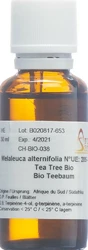
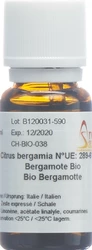
How does aromatherapy affect people?
Essential oils act via the nose on the limbic system in the brain, where emotions are processed. This influences our mood and can trigger responses from the pituitary gland. In addition, the oils exert reflex effects on various organs through the skin.
What effects can aromatherapy achieve?
Aromatherapy offers a range of effects that can have a positive impact on body, mind and spirit. The effects of essential oils are as individual as the people who use them and depend on each person’s needs and preferences.
Some oils, such as peppermint or lavender, can reduce pain, for example with headaches or muscle tension. Certain oils, such as tea tree oil, are anti‑inflammatory and help heal wounds or skin irritations. Oils like chamomile or marjoram are known for their antispasmodic properties and can help with digestive problems or menstrual pain. Eucalyptus or thyme support the respiratory system, act as expectorants and fight pathogens.
Aromatherapy directly affects mood and emotional well‑being. Some oils, such as rosemary or lemon, promote concentration and increase mental alertness. These effects are particularly useful during stressful periods or challenging tasks. Some essential oils have antimicrobial properties that support the immune system by combating pathogens and strengthening defences.
Why does aromatherapy emphasise a holistic approach?
Aromatherapy regards the person as a whole. Illnesses are seen as a consequence of an imbalance between body and psyche. Essential oils help restore this balance by activating the body's self‑healing mechanisms.
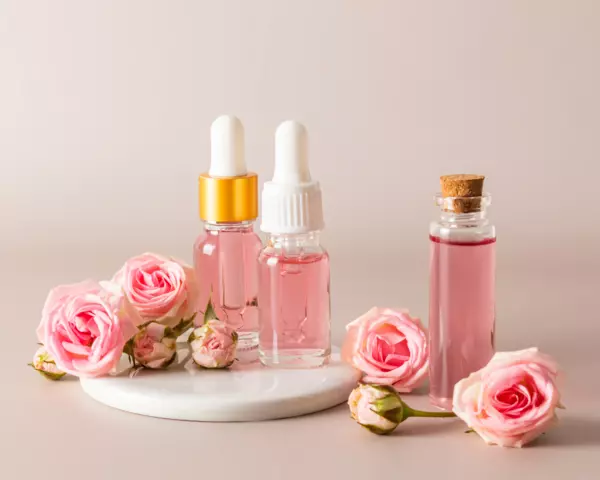
Aromatherapy is a traditional natural healing method that uses essential oils to strengthen body, mind and spirit. It harnesses the power of plants to promote well‑being, support health and restore holistic balance. It is essential to use only pure natural oils, as synthetic variants do not have comparable effects on the regulatory mechanisms of body and mind.
How can you use the concentrated power of nature to boost your well‑being?
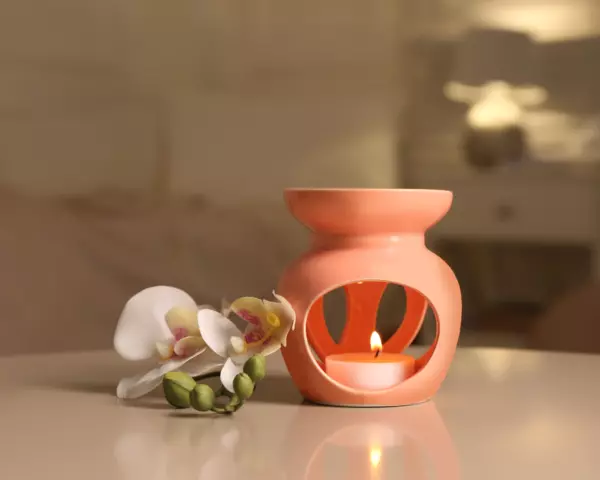
- The best known application in aromatherapy is using a fragrance lamp (simply add 5–10 drops to the water). Different oils produce different effects. Mandarin, rose and geranium lift the mood; rosemary and thyme are calming. To enhance concentration, use eucalyptus and lemongrass.
- Clove and sage can provide disinfectant and antibiotic effects, and thyme and lemon can relieve coughs. For pain relief, turn to peppermint, chamomile and bergamot. Lavender and lemon balm are antispasmodic.
- You can make a nourishing body oil yourself. Add 15 to 20 drops of essential oil to 100 millilitres of a high‑quality carrier oil such as almond, jojoba or apricot kernel oil and massage the oil into damp skin immediately after showering. Choose essential oils according to their effects.
- For a soothing full bath, add 10–20 drops of essential oil to a cup of sea salt or dissolve it in milk or cream. Fill the tub with water and add the mixture.
- Inhalation is useful for respiratory conditions. Add 3–5 drops of eucalyptus oil to a large bowl of hot water and inhale the vapours.
- Essential oils can also be used in the sauna: put five drops on a ladle of water.
- For mouthwash, antibacterial oils such as peppermint, rose or eucalyptus work well.
- For compresses, add four drops of essential oil to two litres of hot water and mix in a spoonful of honey. Hot compresses suit tensions and cramps, while cold compresses are recommended for fever, sunburn and headaches.
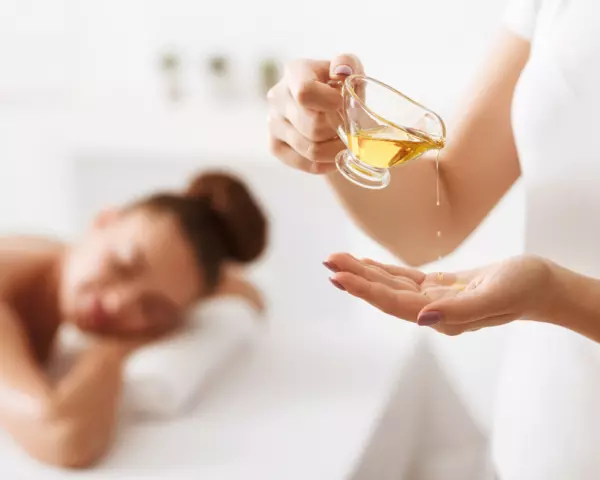
- Massages with essential oils can release tension and blockages and relieve pain. They work both through scent and targeted touch and improve circulation. A foot reflexology massage with essential oils stimulates the reflex zones of internal organs and has a positive effect on the whole body.
- Store essential oils protected from light and at temperatures below 25 °C, and choose organic quality.
- Before use, test whether you tolerate the essential oil. Mix one drop with some fatty oil and apply it to the inside of the elbow. If no irritation appears after 24 hours, the oil is likely tolerable for you.
- Always respect dosage, as highly concentrated essential oils can be toxic to the respiratory system and nervous system. They are not suitable for babies and young children. Use caution during pregnancy – consult your doctor where appropriate.
Boost your well‑being and support your health through a targeted and sensible use of aromatherapy!