Aronia
The beneficial effects of the power berry
What is Aronia?
The Aronia berry, also known as the black chokeberry, belongs to the rose family and originates from North America. Today it is cultivated in Europe, mainly in Eastern European countries. The small blue-black berries have a slightly tart and sweet-acidic taste, making them suitable for processing into a variety of products.
In the food industry, aronia berries are primarily used as jam, juice, purée and powder. Because of their high content of anthocyanins, a natural pigment, they are also used as a colouring agent in food production. Beyond culinary uses, aronia is popular as an ingredient in dietary supplements, whose exact composition can vary.
The health-promoting effects of aronia have been known for centuries, as it is rich in antioxidant substances believed to have a positive impact on wellbeing. In Europe, the berry has increasingly established itself as a valuable superfood, appreciated for its numerous health-supporting properties.
What nutrients does Aronia contain?
Aronia berries contain many valuable nutrients. The small dark-blue fruits are particularly rich in vitamins and minerals. They provide, among others, vitamins A, C, E and K as well as a range of B vitamins that are essential for various bodily functions. The berries also have a high concentration of folic acid and are a good source of iron, magnesium, zinc and potassium, which are vital for the body.
Aside from vitamins and minerals, aronia contains a variety of antioxidants such as anthocyanins and polyphenols. These are responsible for the deep blue colour of the berries and contribute to their healthy composition. In addition, the berries are rich in fibre, which supports digestion. Aronia also contains secondary plant compounds such as OPCs, flavonoids and ellagic acid.
What effects does Aronia have?
Due to its high content of antioxidants and secondary plant compounds, particularly anthocyanins, aronia offers numerous health benefits. These flavonoids combat free radicals produced by environmental influences, stress and unhealthy lifestyle habits, which contribute to cellular ageing and to diseases such as cancer and cardiovascular conditions. Aronia helps neutralise these harmful molecules and supports the body's repair and detoxification functions.
Furthermore, the berries have an anti-inflammatory effect and may help prevent chronic conditions such as atherosclerosis and contribute to lowering high blood pressure. Regular consumption of aronia juice has been associated with a reduction in cholesterol levels and blood lipids, which can lower the risk of cardiovascular disease.
Aronia berries strengthen the immune system, fight infections and promote urinary excretion. This can be particularly beneficial during cold season. The berries also contribute to blood sugar regulation, making them interesting for people with diabetes or metabolic disorders.
Another advantage of aronia is its potential support for weight reduction and the detoxification of the body, as it can bind heavy metals and promote their excretion. Its constituents also favour a healthy gut flora and support digestion.
Can you eat Aronia raw?
Aronia berries can be eaten raw in moderation. The seeds do contain small amounts of cyanogenic compounds, but these are so low that they do not pose a health risk. Even in larger quantities, poisoning is unlikely because the cyanogenic compounds are mainly in the seeds and are barely released during chewing.
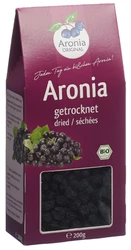
Because of their high tannin content, the berries have an astringent, tart character, making them versatile for preparing jams, jellies or as a muesli topping. By heating, e.g. when processing into juice or dried berries, the cyanogenic content is further reduced, making aronia berries completely safe in these forms.
When are Aronia berries fully ripe?
From late August to early September aronia berries reach their optimal ripeness. Although the berries darken already in early September, this is not a sure sign of harvest readiness. They are fully ripe when they have a glossy, almost black surface and the flesh inside is dark red.
Another sign of the ideal harvest time is the reddish colouring of the stems, which together with the tart-sweet-acidic taste indicates the best picking moment. A practical test is to cut open a few berries and inspect the flesh: if it is red right to the core, the berry is ripe. A refractometer can also be used to check sugar content. A Brix value of at least 18 % indicates the berries are ready for harvest.
The harvest timing depends on weather conditions and sunlight, which influence the sweetness of the berries. That is why the shrubs are checked daily and the ripeness of the berries monitored.
Does Aronia have side effects?
Aronia can in some cases cause side effects, mainly due to its high content of polyphenols and flavonoids. While these antioxidants are healthy, they are difficult to digest in large amounts and can cause digestive problems in some people, such as bloating, diarrhoea or constipation.
Especially in people not accustomed to high amounts of antioxidants, sudden consumption of aronia can lead to discomfort. Aronia can also affect blood clotting, which may be problematic for people with clotting disorders or those taking blood thinners.
Another risk exists for people with low blood pressure, as aronia can lower blood pressure, possibly causing dizziness or tiredness. People who are allergic to the fruit may also experience unwanted reactions such as rashes or gastrointestinal complaints.
With excessive consumption, more serious issues can arise, such as an imbalance of the gut microbiome leading to digestive disorders or even irritable bowel syndrome (IBS). In particular, for people with iron deficiency, consuming aronia may be problematic because proanthocyanidins can interfere with blood formation.
How to use Aronia berries optimally: practical tips
- Blend a handful of fresh or frozen aronia berries with bananas and other berries for a healthy smoothie. You can also use aronia powder. The recommended daily amount of dried aronia berries is 15 g for adults and about half that for children.
- Dried berries are a good addition to muesli and can be used in baking and cooking, for example in chutney or cheesecake.
- Make aronia juice yourself. Simmer 1 kg of aronia berries with water for about 10 minutes until soft. Press the mixture through a fine sieve and bottle the juice. The juice has a strong colour and can be enjoyed neat or used as a base for drinks like lemonade or cocktails.
- Combine aronia berries with sweeter fruits such as apples or pears to balance the tart berry flavour. Cook the fruits with sugar into jam and enjoy with cheese or as a spread.
- To mellow the tart taste of aronia juice, you can mix it with other fruit juices or a little water. Note that the blue pigment of aronia can temporarily stain teeth and tongue.
- You can make aronia vinegar at home. Mix 600 ml of neutral vinegar with 1–2 tablespoons of sugar or honey and add this mixture to a sterile jar with 400 g of aronia berries. Let the vinegar steep in a closed jar for about two weeks in a cool, dark place. Aronia vinegar can help with cold symptoms and makes a tasty salad dressing.
- Crushed berries are suitable for tea preparation. Two to three teaspoons of berries should be covered with 250–300 ml of hot water and steeped for 15 minutes. This tea can be drunk daily to support treatment of bladder infections and to strengthen the immune system.
- Dry aronia berries for a healthy snack. Wash the berries and dry them at low temperature (50–60 °C) in the oven or a dehydrator.
- Plant aronia in spring in a sunny location with a well-drained, slightly acidic soil. Make sure they thrive in containers or in the garden near blueberries and other berry shrubs to encourage cultivation.
- When planting aronia, regularly inspect leaves and flowers for pests and diseases, as these can impair shrub growth. A study shows that the right location and plant care increase yield.
- If you have a large quantity of aronia berries, freeze them after harvest. Place the washed berries in an airtight container or freezer bag and use later for smoothies, jam or juices.
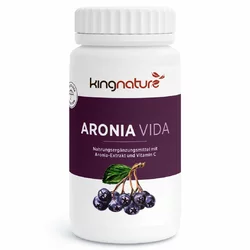
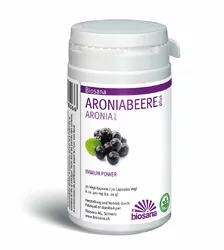
- Aronia capsules are tasteless, easy to dose and ideal for on the go.
Aronia is a superfood that supports health through its antioxidant and anti-inflammatory effects. Its versatility makes it a valuable dietary supplement.