Acerola
The red vitamin bomb
editorial.overview
What is Acerola?
Acerola, botanically Malpighia emarginata, is a tropical cherry variety native to warm regions such as Brazil, Mexico and the Caribbean. It is best known for its exceptionally high vitamin C content. It provides up to 40 times more vitamin C than a kiwi and is therefore one of the most potent natural antioxidants.
In this way, acerola effectively strengthens the immune system and helps the body prevent illness. But it is not only vitamin C that makes it valuable; it also contains antioxidant compounds such as flavonoids, carotenoids and polyphenols. These protect cells from oxidative stress and contribute to cellular health. Acerola can be eaten fresh, consumed as juice or used as a dietary supplement, offering various ways to support health and well-being.
What ingredients are in acerola extract?
Acerola extract contains an impressive range of health-promoting ingredients. Foremost among them is vitamin C (ascorbic acid), of which acerola is one of the strongest natural sources. In fact, acerola contains approximately 1'000 to 1'700 mg per 100 g — far more vitamin C than familiar sources such as oranges or lemons, which have only about 50 to 100 mg. Only camu-camu and the Australian bush plum exceed this peak value.
Besides ascorbic acid, acerola is rich in other valuable components. These include vitamins B1, B2 and B6, important for the nervous system and metabolism, as well as vitamin E, a powerful antioxidant. These vitamins support normal nervous system function. There are also various minerals and a notable fibre content of about 1.1 g per 100 g of fruit, which has a positive effect on digestion.
What health benefits does acerola have?
Acerola offers many health benefits. Due to its high concentration of vitamin C, acerola significantly strengthens the immune system, as this vitamin enhances the body's defences and helps to fend off pathogens effectively.
Furthermore, the acerola cherry has strong antioxidant properties. In addition to vitamin C, the fruit contains other antioxidants such as carotenoids and flavonoids, which help to neutralise free radicals in the body. This can contribute to the prevention of diseases such as cancer, cardiovascular conditions and even Alzheimer's.
Another positive effect is its anti-inflammatory action. Studies show that acerola's components can reduce inflammation, which is often involved in the development of many diseases.
The skin also benefits from acerola. Nutrients such as vitamin C and copper promote collagen formation and improve skin elasticity, making it firmer, fresher and more youthful in appearance. In addition, the carotenoids present support eye health by potentially lowering the risk of conditions such as cataracts or age-related macular degeneration. Finally, some studies suggest that acerola may have a blood-pressure-lowering effect, thereby reducing the risk of cardiovascular disease.
How can acerola be taken?
Acerola can be incorporated into the daily diet in many ways. Due to its short shelf life (fresh fruits spoil after just a few days), acerola is rarely available fresh. Nevertheless, there are several options to use the fruit's valuable components year-round.
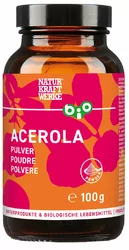
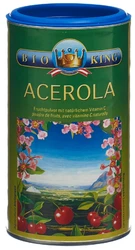
Acerola powder is particularly popular and is produced either from dried pulp or from juice concentrate. Powder made from the pulp contains more fibre and has a coarser texture, whereas juice powder is finer and fibre-free. The powder is often produced by freeze-drying, which preserves heat-sensitive nutrients like vitamin C and phytonutrients. Acerola powder is easy to integrate into everyday life. The recommended daily amount is about 1 gram of powder, which corresponds to roughly half a teaspoon. It can be stirred into drinks such as water, juice or tea. Acerola powder tastes especially good in smoothies, yoghurt or muesli — giving your breakfast an extra boost of vitamin C and a pleasantly fruity-fresh note.
By freeze-drying or quick-freezing, fresh acerola cherries are stabilised immediately after harvest. Most of the valuable nutrients are thus retained, and the concentration of vitamins and phytonutrients even increases due to the removal of water. Dried acerola fruits are therefore particularly nutrient-dense and convenient for on-the-go.
As a juice, acerola is often combined with sweeter fruit juices such as mango, apple or grape to balance its intense, slightly tart flavour. Acerola juice also lends an exotic note to savoury dishes like curries or vegetable stews. The key to juice quality is that the fruits are pressed and processed right after harvest.
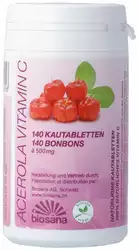
For those who prefer convenience, acerola is also available as a dietary supplement. Tablets typically contain binders in addition to the powder, while acerola capsules enclose the pure powder in a cellulose or gelatine shell. The advantage of these capsules is that they dissolve in the stomach, allowing the body to absorb the ingredients optimally.
Can acerola be consumed during pregnancy?
The acerola cherry provides many valuable vitamins and minerals, particularly vitamin C, which during pregnancy supports both the mother's immune system and the healthy development of the baby. In principle, there is no objection to consuming acerola during pregnancy.
However, before taking it regularly — especially as a supplement in the form of powder, capsules or tablets — it is highly recommended to consult a physician. This ensures that there are no unwanted interactions with medications or other preparations and that the dosage is optimally tailored to your personal needs.
What is the recommended daily dose of acerola?
The recommended daily dose of acerola depends greatly on individual factors such as age, sex, general health status and the form of intake. Fundamentally, vitamin C — the most important component of acerola — serves to prevent a deficiency that otherwise can lead to complaints such as scurvy. According to official recommendations, adult men need about 90 mg of vitamin C per day, and women about 75 mg.
Many nutrition experts consider these values to be minimum amounts. To make the most of vitamin C's immune-supporting and antioxidant effects, they often recommend a higher daily intake. Acerola products contain varying concentrations, so the exact recommended dose may vary.
If you choose to take acerola as a dietary supplement (powder, capsules or tablets), you should always follow the dosage instructions on the package. In practice, a typical daily dose is about half a teaspoon of acerola powder (approx. 1 gram), which usually covers the daily vitamin C requirement without difficulty.
Does acerola have side effects and is overconsumption possible?
Generally, acerola is considered healthy and safe, but as with many nutrient-rich foods, conscious use is important.
Acerola contains an extremely high concentration of vitamin C. While the vitamin supports the immune system, a persistently excessive intake — particularly from supplements — can lead to side effects. These include digestive complaints such as nausea, bloating and diarrhoea. It is therefore important to monitor total vitamin C intake, especially if you are also taking multivitamin products.
Caution is advised when taking concurrent medications, especially anticoagulants or treatments for kidney disease. High doses of vitamin C from acerola can affect the effectiveness of these medications or cause unwanted side effects. In such cases, supplementation should be discussed with a doctor.
Although allergic reactions to acerola are very rare, people with a known allergy to cherries or related fruits should be cautious. Symptoms of an allergic reaction may include skin rash, itching or breathing difficulties. In such cases, start with small amounts to detect possible intolerances early.
Acerola contains oxalates, natural plant compounds that can contribute to the formation of kidney stones in sensitive individuals. People with kidney problems or a history of kidney stones should limit acerola intake as a precaution and seek medical advice.
Using acerola correctly: get the most out of the superfruit
- You can buy dried acerola cherries. They have a significantly higher nutrient density than fresh acerola cherries — about 5 g per 100 g of dried fruit. Dried acerola cherries taste great in muesli and fruit bars.
- Acerola is available as powder from fresh pulp or from acerola juice. The valuable constituents remain. Due to its unique tart flavour, the powder is suitable for enhancing muesli, fruit salad, shakes and delicious smoothies.
- Be aware that the natural fruit sugar in acerola powder is sensitive to oxygen. The powder can absorb moisture from the air and clump. Store it cool, dry and tightly closed. If the powder lumps, grind it using a blender.
- Acerola is available as direct juice, juice concentrate or fruit nectar and can be added to any fruit juices. Popular combinations include grape, apple, passion fruit, mango, peach, cherry and orange. Acerola is also enjoyable as a pure juice and easy to dose in this form.
- You can create tasty fruit spreads from acerola fruit juice, for example with carrots, leek and avocado.
- Acerola juice works perfectly in a savoury vegetable stew and in the popular tomato sauce as well as in curry; it also pairs well with rice and pasta dishes. It gives desserts like jams, jellies or ice cream a special exotic taste.
- Direct acerola juice is very sour. You can dilute it somewhat with water or mix it into other drinks and smoothies.
- Sucking and chewable tablets with acerola are a good source of vitamin C. However, bear in mind that acerola's acidity can damage tooth enamel and make tooth necks sensitive.
- Capsules with acerola powder dissolve in the stomach and therefore protect the teeth. When buying, try to choose products with as few excipients as possible, such as magnesium stearate or other additives.
- Do not exceed the dose on the packaging. Extremely high dosages can cause side effects such as stomach cramps, nausea, loose stools or diarrhoea.
- If you suffer from iron utilisation disorders or tend to kidney stones or gout, you should be cautious with acerola (as with all vitamin C-containing preparations).
Because of its exceptionally high vitamin C content, the acerola fruit is a valuable addition to a healthy diet and effectively supports the immune system. Thanks to its antioxidant properties, it helps slow premature ageing processes and improve overall well-being. Due to its wide-ranging health-promoting effects, acerola is increasingly appreciated as a natural alternative to synthetic supplements.