Astaxanthin
This queen protects your youth
What is astaxanthin?
Astaxanthin is a natural pigment from the carotenoid family with a vivid orange-red colour. It belongs to the xanthophylls, a subgroup of carotenoids that contain oxygenated compounds. This substance is found primarily in microalgae such as Haematococcus pluvialis, which develop protective mechanisms under extreme environmental conditions. To shield itself from intense UV radiation and other harmful influences, the alga forms a cyst filled with astaxanthin.
Astaxanthin also enters the food chain. Aquatic animals like salmon, shrimp and trout that feed on these algae take up astaxanthin, which gives them a reddish hue and protects them from UV radiation and free radicals. Astaxanthin is also used as a feed additive to give farmed fish such as salmon-trout an appealing colour. At higher concentrations, as found in dietary supplements, astaxanthin can be taken in doses up to 18 milligrams per day, which is much more than is present in natural sources like fish.
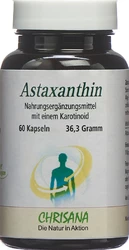
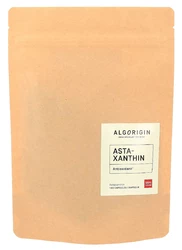
How is astaxanthin obtained from algae?
Astaxanthin is mainly obtained from the microalga Haematococcus pluvialis, which produces high concentrations of this red carotenoid under extreme environmental conditions. In stress phases such as water deficiency, high heat or severe cold, the alga changes and produces more astaxanthin, which helps it resist oxidative stress and harmful UV radiation. This enables the alga to survive under difficult conditions.
When environmental conditions improve, the alga can resume its normal metabolic processes thanks to the stored astaxanthin. The algae are harvested and processed to extract the carotenoid for use in dietary supplements or cosmetics.
What are the effects of astaxanthin?
Astaxanthin belongs to the carotenoid family and has strong antioxidant properties. It protects cells from damage caused by free radicals and can reduce oxidative stress, which is associated with premature cellular ageing and various diseases. This antioxidant effect makes astaxanthin an interesting supplement, particularly for skin, eyes, the cardiovascular system and metabolism.
A key effect of astaxanthin is protecting the skin from UV radiation and delaying age-related skin changes. It prevents collagen breakdown while promoting the skin's own collagen production, helping to maintain skin elasticity. Studies indicate that astaxanthin may reduce crow's feet around the eyes and improve skin hydration.
The health of the eyes may also benefit from astaxanthin. It can cross the blood-retina barrier and accumulate in the retina, offering protection against oxidative damage. Studies show a possible positive effect on presbyopia and a reduction in symptoms caused by digital eye strain.
Potentially favourable effects have also been described for the cardiovascular system. Astaxanthin may lower blood pressure, dilate blood vessels and reduce the formation of arterial deposits. This could lower the risk of cardiovascular disease. There is also evidence that it may slightly reduce blood sugar levels, which could be relevant for people with diabetes.
Astaxanthin is also attributed with anti-inflammatory activity. Early research suggests that it may attenuate inflammatory processes and inhibit the release of certain inflammatory mediators. Further studies are needed to confirm these effects in humans. Astaxanthin can accelerate muscle recovery, reduce muscle fatigue and increase endurance. Some studies point to faster recovery after intense training.
Although many of these effects have been described in studies, further clinical trials in humans are required to fully substantiate the actual efficacy and possible applications of astaxanthin. Based on current evidence, astaxanthin is classified as a dietary supplement, not a medicine.
Who are astaxanthin capsules particularly suitable for?
Astaxanthin capsules are particularly suitable for people who want to benefit from the antioxidant properties of this natural carotenoid. They are often recommended for those who wish to protect their skin from UV damage or reduce the effects of free radicals. For athletes and people who exercise regularly, astaxanthin is especially interesting because it can reduce muscle fatigue and promote recovery. People who want to protect their eyes from the harmful effects of UV light or extensive screen work can also benefit from astaxanthin.
In addition, astaxanthin may be beneficial for older adults, as its antioxidant activity can strengthen the immune system and support overall health. It is also a good option for those looking to slow skin ageing, since the antioxidant helps prevent UV-related skin damage and improves skin structure.
However, there are some groups for whom astaxanthin is not suitable or who should take special care when using it. These include pregnant and breastfeeding women, as there is insufficient research on the safety of astaxanthin during these life stages. In such cases, use should only be considered after consulting a physician. People taking medications should also be cautious, as astaxanthin can interact with certain drugs such as antihypertensives, blood thinners or cholesterol-lowering agents. Astaxanthin may also affect the action of immunosuppressants, so it is particularly important for patients on these medications to consult their doctor before taking astaxanthin.
Moreover, astaxanthin can cause mild gastrointestinal discomfort in some people, especially if taken on an empty stomach. The most common side effects are abdominal pain and bloating. A change in stool colour due to astaxanthin is also possible but not harmful to health. In rare cases, higher doses can cause slight skin pigmentation, which is likewise harmless; at extremely high doses the skin may take on a reddish or orange tint. This phenomenon, known as carotenemia, is temporary and resolves when the dose is reduced.
How should I take astaxanthin capsules?
To optimise astaxanthin absorption, it should ideally be taken with a fat-rich meal because it is fat-soluble. The presence of fat enhances absorption, which can increase effectiveness two- to fourfold.
For efficient uptake, it is important to prefer astaxanthin from natural sources, especially the microalga Haematococcus pluvialis. This contains, in addition to astaxanthin, accompanying compounds that enhance its effect and make the antioxidant particularly effective. Synthetic astaxanthin is less effective and approved only for feed use. Natural sources also have the advantage of being vegan and environmentally friendly.
Astaxanthin can also be taken in capsule form, and it is sensible to choose organic quality. This ensures no GMOs, mineral artificial fertilisers or chemical pesticides. How long astaxanthin should be taken depends on individual goals and dosage. In principle, long-term use is acceptable at appropriate dosages. For personalised advice on duration of use, consult a physician.
Practical tips for using the benefits of astaxanthin
- Include fish such as salmon and seafood like lobster, scampi, prawns and algae in your diet, as they are natural sources of astaxanthin. This supports skin health from within.
- Combine astaxanthin with omega-3 fatty acids. Omega-3s from fish like salmon or from flaxseed support skin health and can boost the effect of astaxanthin.
- A healthy diet with fresh fruit, vegetables and healthy fats supports the skin and maximises the effect of astaxanthin.
- Be aware that farms often add synthetic astaxanthin to feed to imitate the reddish coloration. Avoid farmed salmon and prefer wild salmon, as synthetic astaxanthin does not offer the same health benefits as natural astaxanthin.
- Krill oil and omega-3 supplements can contain bioavailable astaxanthin, since its bioavailability is increased in fats.
- If you are allergic to shellfish, check the source of the astaxanthin beforehand. Many supplements contain astaxanthin derived from crustaceans.
- The recommended daily dose varies depending on the application, but typically ranges between 4 and 8 mg per day. It is advisable to consult a physician to determine the right dose for individual needs.
- Take one astaxanthin capsule daily as a supplement, preferably as a softgel, to benefit from extracts of red algae. Ensure the extract contains high-quality ingredients and has been obtained by gentle extraction.
- Avoid giving it to children without consulting a physician to ensure a safe dose. Make sure the algae extract in foods does not contain unwanted additives.
- Use serums or creams containing astaxanthin regularly. These products act directly on the skin and reduce inflammation and wrinkle formation.
- Although astaxanthin helps prevent UV damage, it is not a substitute for sunscreen. Use a broad-spectrum sunscreen to further protect your skin from the sun.
Astaxanthin is a powerful antioxidant that protects the body from free radicals and can help preserve the skin against ageing processes. Through its positive effects on inflammation and the immune system, it offers valuable support for overall health.