Autumn beauty routine
What your skin needs in the golden season
Why does the skin need special care in autumn?
Autumn as a transition period brings not only colourful leaves but also real challenges for the epidermis. When cold wind blows outside and the heating is on inside, the skin loses moisture more quickly. It becomes dry, sensitive and tight. At the same time the natural skin barrier is weakened, so it cannot perform its protective function as well.
Light summer care is no longer enough. The skin craves textures with replenishing lipids that nourish it and protect it from drying out.
Which ingredients support the skin in autumn?
The skin needs not only warmth but also the right active ingredients. What’s required now are substances that deeply hydrate, strengthen the skin barrier and protect against environmental stress — real care heroes with lasting effects.
First on the list is hyaluronic acid. It binds large amounts of water and ensures your skin stays plump, smooth and supple even on cooler days. Ceramides act like a natural mortar for the epidermal barrier, as they lock in moisture and make the epidermis more resistant to cold and dryness.
For extra radiance during grey autumn days, vitamins C and E help. They have antioxidant effects, prevent damage from free radicals and promote regeneration. Shea butter and natural oils deliver rich nourishment and protect dry areas like an invisible cloak.
When the skin is stressed or irritated, panthenol helps. It soothes the skin, provides moisture and supports the healing of minor irritations. Depending on your skin type, the epidermis needs precisely this combination of actives in autumn to stay healthy, supple and protected.
Can I still use exfoliants in autumn?
Yes — they are particularly useful right now. After summer the skin often looks tired and slightly flaky. It loses its radiant complexion. Sun, salt water, chlorine and air conditioning have left their marks. Exfoliants help reduce these signs by removing dead skin cells and stimulating cell renewal.
Whether physical scrubs, fruit acids or professional treatments, exfoliants free the skin from old residues and make it receptive again to the richer care of autumn. It is important to choose gentle formulations and to nourish the skin intensively afterwards, for example with hydrating products, aloe vera or hyaluronic acid.

Which products are not suitable for autumn?
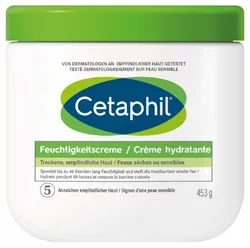
What worked well in summer no longer suffices in autumn. Light gels and fluids that feel refreshing in heat often do not provide enough protection or nutrients now. The summer cream can be put into hibernation.
When temperatures drop and the air gets drier, the epidermis needs not only moisture but mainly replenishing care. Those who continue to rely on light textures risk tightness, dryness and irritation. Cooling eye gels can be replaced by richer eye creams. These care for the delicate eye area intensively and protect it from drying out.
Autumn skincare: what to watch for?
A first warning sign is if the skin feels tight after washing or rough patches appear. Then it’s time for a routine with more protection and moisturizing ingredients. Instead of foaming cleansers that quickly dry out the skin, opt for gentle, moisture-supporting alternatives — ideally combined with a nourishing facial toner or essence that soothes the skin and strengthens its protective barrier.
Your face cream can be richer now. Products with ceramides, hyaluronic acid, panthenol or natural oils help to lock in moisture and prevent irritation. Nourishing sheet masks are also particularly effective at quickly relieving acute skin issues.
Autumn care for the skin: how to keep your complexion supple and protected
- Give your skin plenty of extra hydration. Dry heating air depletes the skin quickly. Therefore choose richer products with ingredients like hyaluronic acid or glycerin that bind moisture deep in the skin. Apply products preferably directly after showering — the skin is then especially receptive.
- Switch to gentle cleansing products. What refreshes in summer can be too harsh in autumn. Aggressive cleansers unnecessarily stress the skin. Instead reach for mild, pH-neutral products that cleanse without drying. This keeps the protective barrier intact — a must in the cold season.
- A gentle exfoliant once or twice a week removes dead skin cells and restores radiance. It prepares the skin optimally for nourishing ingredients. Choose mild formulations to avoid irritation.
- Continue to use sunscreen in autumn. UV rays are active even on grey days — though less intense than in summer. A light sun protection with SPF 30 helps prevent premature ageing and pigmentation spots. A day cream with integrated sun protection is ideal.
- Pay attention to indoor humidity. Dry heating air is a main cause of flaky skin in autumn. A humidifier or a bowl of water on the radiator helps improve the room climate. Your skin will thank you — with more suppleness and less tightness.
- Drink enough, even if you feel less thirsty. In cool weather we often drink less, although the skin also needs hydration from within. Two litres of water or unsweetened tea a day support natural hydration. Your complexion stays fresh, plump and elastic.
- Choose nourishing eye and lip care products. The skin around the eyes and lips is particularly thin and sensitive. It now needs an extra dose of care: a protective eye cream and an emollient lip balm prevent dehydration lines and cracks. Ideally apply both morning and evening.
- Spoil your skin with nourishing face masks. Hydrating masks are a real skin saver in autumn. Apply them 1–2 times a week — preferably in the evening so the active ingredients can work overnight. Ingredients such as honey, panthenol or aloe vera soothe and repair dry skin.
- Adjust your diet to the season. Foods like pumpkin, carrots, nuts and oily fish provide the skin with important vitamins and omega-3 fatty acids. These strengthen the skin from the inside and make it more resilient to cold and environmental stress. They also promote cell regeneration.
- Take short, lukewarm baths. As tempting as a hot full bath in autumn can be — it unnecessarily dries the skin. Lower the water temperature to lukewarm and don’t bathe for more than 15 minutes. Use re-lipidising bath additives and moisturise immediately afterwards.
- Hands suffer particularly in autumn — they are constantly exposed to the cold. Use a rich hand cream with replenishing ingredients like shea butter or urea. Apply several times a day — especially after washing your hands.
- Alcohol in toners or cleansing waters can strongly irritate your skin’s acid mantle. Look for alcohol-free alternatives with soothing ingredients such as panthenol or chamomile. Your skin will stay better protected and feel more comfortable.
- Protect your face against wind and weather. Temperature changes and wind quickly irritate the skin — especially the cheeks and forehead. On long walks apply a protective cream that acts like a shield. Also remember a hat or scarf — but freshly washed to avoid irritation.
- Watch the pH of your skincare products. Healthy skin needs a slightly acidic pH (between 4.7 and 5.5). Use products that respect this value to avoid irritation. A stable acid mantle is your first defence against cold, bacteria and dryness.
In autumn our skin needs special attention to withstand the challenges of cold, wind and dry indoor air. With the right combination of hydration, replenishing care, protective serums and gentle cleansing, the skin barrier can be strengthened and irritation prevented. Those who consciously adapt their routine now will maintain a healthy, radiant complexion — even on grey days.