Spring skincare
Glow with the freshness of spring
editorial.overview
How does the skin change in spring?
With the first warm rays of sun, our skin undergoes a noticeable adjustment. After the cold winter months, when it was protected by thick clothing and exposed to less ultraviolet radiation, it now has to slowly adapt to the new conditions.
In winter, the body's melanin production decreases because the epidermis is exposed to fewer ultraviolet rays. Melanin is the skin's natural sun protection and makes it darker. In spring, when the sun shines more intensely, the skin is still unprotected and particularly sensitive to ultraviolet radiation. The risk of sunburn or pigmentation increases. That's why it is important to acclimatise the epidermis to the sun gently and to think about sun protection from the first mild days – even when the sky is cloudy.
As outdoor temperatures rise, sebum production also changes. While richer skincare products were necessary in winter to protect the dry, cold-stressed epidermis, the skin starts producing more of its own oils in spring. This can mean that your usual winter care suddenly feels too heavy, clogs pores and causes small blemishes or pimples. Switching to lighter, hydrating creams can help keep the complexion balanced.
During winter the skin was often covered by multiple layers of clothing that protected it from external influences like wind, dust and dirt particles. Now, as temperatures rise and clothing becomes lighter, the skin is more exposed to these factors. The change from cool morning air to warm afternoons can in particular make the epidermis feel initially stressed or irritated. Mild irritations or small imperfections are completely normal during this transitional period.
What does the skin need in spring?
After winter it is time to adjust your care routine. In spring the skin mainly needs lighter textures, sufficient hydration and protection from environmental factors such as ultraviolet radiation and dirt particles.
While rich creams and oils provided the necessary protection in winter, now it is time to go lighter. Light lotions, hydrating serums and gel-like formulations are ideal for this season. Emulsions in particular offer an optimal balance. They feed the skin with nutrients but absorb quickly without weighing down the epidermis. Oil-based products can be reduced or omitted depending on skin type – especially for combination or oily skin, which naturally produces more sebum in warmer months.
Regardless of the season – moisture remains a must in skincare. Especially in spring, a good hyaluronic serum helps to supply the epidermis with plenty of hydration and prevents dehydration lines. Additionally, moisturizing masks, especially overnight masks, give a freshness boost. They provide intensive care and support regeneration overnight, so the skin looks plump and healthy in the morning.
With rising temperatures, sebum production increases, which can lead to clogged pores and blemishes. Gentle exfoliants help remove excess sebum and dead skin cells without irritating the epidermis. They not only promote cell renewal but also make the skin more receptive to active ingredients from serums and creams.
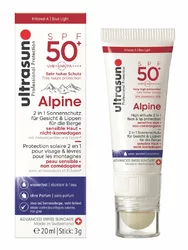
The delicate skin of the lips needs care in spring as well, since it dries out quickly. A lip balm with sun protection shields against ultraviolet rays and keeps lips supple. Equally important is a gentle but thorough cleansing to remove environmental particles, excess sebum and sunscreen residues.
With the stronger spring sun, the risk of sun damage also increases. Daily sun protection with a high SPF is therefore essential, even on cloudy days. But not only UV protection is important – antioxidants also help protect the skin from free radicals. Vitamin C is ideal for the morning because it refreshes the complexion and protects against environmental damage. In the evening, vitamin A (retinol) can promote skin regeneration, while vitamin E and B3 (niacinamide) have a soothing and strengthening effect. Increased exposure can also cause skin reactions like redness and itching, so soothing treatments with aloe vera or panthenol are recommended.
Why does my skin feel dry in spring?
Although epidermal sebum production gradually rises in spring, many people suffer from dryness and tightness at this time. The main reason is the changeable weather, which weakens the skin barrier and accelerates moisture loss.
After the cold winter months the skin often experiences a rollercoaster of conditions in spring. Cool mornings, a hot midday sun and dry indoor air take their toll. These strong temperature fluctuations stress the skin's protective barrier and can lead to the skin no longer retaining enough moisture – it then feels dry, rough and sometimes even irritated.
Which active ingredients are particularly suitable for the skin in spring?
After the cold months the epidermis can look tired, dull or dry – but with the right actives this can change quickly.
Vitamin C is a true all-rounder. It stimulates collagen production, smooths the skin and gives it a fresh, even appearance. It is a spring must-have because it protects the skin from free radicals produced by sun exposure and environmental stressors.
If the epidermis looks dry and dull after winter, fruit acids (AHA, BHA) help to gently remove dead skin cells. Used once or twice a week, they promote skin renewal and make the complexion appear fresher. For oily or blemish-prone skin, salicylic acid (BHA) is a good choice. It clears blocked pores, refines the skin texture and reduces imperfections.
Retinol is known as an anti-age ingredient because it reduces fine lines, improves skin texture and reduces pigmentation spots. If you used retinol during winter, you should not stop abruptly in spring; instead reduce the frequency to two to three times a week to continue benefiting from its skin-rejuvenating effect. Always use a high SPF, as retinol increases light sensitivity.
Squalane is a skin-like lipid that retains moisture without weighing the epidermis down. It improves the skin barrier and provides a smooth feel without greasiness. Especially in spring, when sebum production increases again, squalane is an ideal addition for a lightweight yet nourishing care routine.
Why is sun protection so important in spring?
With the first warm days many people spend more time outdoors – walking, cycling or simply relaxing on the balcony. But even if temperatures are still mild, one should not underestimate the strength of the spring sun. Ultraviolet radiation can already be particularly intense in March and April and can damage skin and eyes, even if it does not feel warm yet.
A common misconception is that only warm sunshine is dangerous. UV radiation is invisible and independent of temperature. This means that even on cool days the risk of sunburn can be high. Spending extended periods outdoors without protection risks redness, sunburn and long-term skin damage. Face, neck, décolleté, arms, hands and scalp are particularly affected as they are often uncovered in spring.
After the dark winter months, the skin lacks its natural protective barrier against ultraviolet rays. The development of the protective skin callus – a thickening of the outermost skin layer as a defence mechanism against the sun – takes time. Therefore the skin is particularly sensitive in spring and can be damaged more quickly.
The UV index indicates the intensity of ultraviolet radiation on a given day. In recent years UV values of 4 and above have already been measured in April, which signals a medium to high need for protection. Climate change contributes to such values occurring more frequently – also in regions that were previously less affected.
What make-up suits spring?
Spring make-up is lighter, airier and more natural – a departure from the heavy, full-coverage textures of winter. Since the skin can still be sensitive after the cold months, it needs products that cover without weighing it down.
Mineral textures are at the forefront. Mineral powders and mineral foundations create an even complexion while allowing the skin to breathe. They have a mattifying effect, which is particularly advantageous during the transition period as the skin often produces more sebum with rising temperatures. The result is a natural look with a touch of freshness that evens out imperfections without looking mask-like.
Before applying make-up a thorough cleansing is important. Environmental particles and excess sebum can lead to bacterial buildup and promote blemishes. A clean base ensures make-up is applied more evenly and lasts longer. Only once the skin is free of all residues should powder, foundation and rouge be used to perfect the spring glow.
Spring skincare: how to make your skin glow
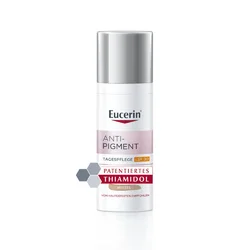
- Your skin now needs a light, hydrating care that also protects against the increasingly strong spring sun. Choose a day cream with SPF to prevent premature skin ageing and pigmentation. Particularly sensitive skin benefits from products with added antioxidants like vitamin C or E.
- If you have normal to oily skin, prefer light, hydrating formulations with low oil content. For dry skin you can continue to use richer creams but slightly reduce the oil content and focus more on intensive hydration.
- In spring the skin requires especially gentle care. Opt for products without fragrances or colourants and without harsh preservatives. Natural ingredients like aloe vera or hyaluronic acid can soothe the skin and provide deep moisture.
- Very hot water can irritate and dry out the skin further. Set your shower water to lukewarm to preserve the skin's natural protective barrier. A short, warm shower is also gentler than a long, hot bath.
- A weekly exfoliation is ideal to remove dead skin cells and make the skin appear fresher. Enzyme peels or products with kaolin are particularly suitable as they cleanse gently without stressing the skin. After exfoliation your skin is especially receptive to nourishing masks or serums.
- Use night care targeted to help the skin regenerate. An overnight hydrating mask can intensely nourish the skin and give it a radiant look in the morning. Ingredients like hyaluronic acid or panthenol help retain moisture in the skin.
- Don't forget the neck and décolleté. These delicate areas are often stressed in winter by turtlenecks and scarves and need special care. Use hydrating creams or serums with vitamin C or Q10 to prevent dryness and wrinkle formation.
- Exercise improves nutrient supply to the skin and promotes circulation. Endurance sports such as jogging, cycling or brisk walking stimulate metabolism and support skin renewal.
- Adequate fluid intake is essential for healthy skin. Preferably drink at least 1.5–2 litres of water or unsweetened teas in the morning and before noon to stabilise the skin's moisture balance.
- After winter the lips are often chapped and cracked. Avoid moistening them with your tongue, as saliva contains enzymes that dry out the skin. Instead, regular sugar-based lip scrubs and hydrating lip care products help.
- A vitamin-rich diet with plenty of fruit and vegetables supports the skin's natural protective barrier. Foods like tomatoes, kiwis and carrots contain antioxidants that fight free radicals and enhance the skin's UV protection.
In spring the skin needs special attention as it recovers from the cold winter months and adjusts to warmer conditions. An adapted care routine with lighter textures, sufficient moisture and UV protection helps preserve the skin's natural radiance. Regular exfoliation and gentle products also support regeneration and prepare the skin optimally for sunny days.