B vitamins
These vitamins strengthen your nerves
editorial.overview
What does the body need B vitamins for?
B vitamins are a versatile group of vitamins that perform numerous functions in our bodies. They are closely linked and are often referred to collectively as the “B-vitamin complex”. In total, eight vitamins belong to this group; they all act as precursors to important coenzymes and support many biochemical processes, such as the synthesis of amino acids and neurotransmitters.
Vitamin B1 (thiamine) converts carbohydrates from food into energy and is essential for nervous system function. It is found mainly in whole grain products, potatoes and nuts. A deficiency can lead to memory problems, fatigue and muscle weakness.
Vitamin B2 (riboflavin) is important for the breakdown of fats and proteins and for protecting red blood cells and the eye’s lens. Rich sources include dairy products, whole grains and broccoli. If riboflavin is lacking, symptoms such as cracked mouth corners or inflammation may occur.
Vitamin B3 (niacin) supports energy metabolism and promotes the regeneration of skin, muscle and nerve tissue. It is present in foods such as meat, fish, potatoes and bananas. A deficiency can cause skin problems, loss of appetite or weakness.
Vitamin B5 (pantothenic acid) plays a central role in carbohydrate, fat and protein metabolism and supports wound healing and the immune system. Vitamin B5 is found in almost all foods, especially organ meats, eggs and whole grain foods.
Vitamin B6 (pyridoxine) is indispensable for protein and fat metabolism; it also strengthens the immune system and nerve function. It is present in fish, bananas, spinach and potatoes. A deficiency may lead to sleep disturbances or skin problems.
Vitamin B7 (biotin), known as the “beauty vitamin”, promotes healthy hair, skin and nails and supports the expression of genetic information. Sources of vitamin B7 include nuts, egg yolk and legumes. A deficiency is noticeable through hair loss or brittle nails.
Vitamin B9, known as folate (natural form) or folic acid (synthetic form), is especially valuable during pregnancy because it supports cell division and blood formation and helps prevent birth defects. It is found in leafy greens and wheat germ. Deficiency symptoms include anaemia and fatigue.
Vitamin B12 (cobalamin) plays an important role for the nerves, metabolism and the cardiovascular system and is mainly obtained from animal products such as meat, fish and dairy. A deficiency can cause numbness and tiredness.
B vitamins are essential for our health and influence many bodily functions. A balanced diet ensures adequate supply.


What causes a B-vitamin deficiency?
A B-vitamin deficiency can have many causes. Because the body cannot produce B vitamins itself, they must be obtained from the diet.
A common cause is an unbalanced or monotonous diet. Vegans and vegetarians are particularly at risk because vitamin B12 is found almost exclusively in animal products.
Digestive disorders such as inflammation of the stomach or intestinal lining, Crohn’s disease or impaired absorption in the small intestine can also make it difficult to absorb B vitamins.
A deficit of intrinsic factor, a protein necessary for the absorption of vitamin B12, can also lead to insufficient supply.
Certain medications, such as metformin or proton pump inhibitors, impair the absorption or metabolism of B vitamins.
An unhealthy lifestyle with stress, alcohol or smoking likewise increases the risk of deficiency.
In particular life phases such as pregnancy or breastfeeding, the need for B vitamins — especially vitamin B9 — increases. Older people are also at risk because they often eat less and absorb vitamins less well.
Intestinal parasites or genetic factors that affect vitamin transport proteins can further impair absorption.
Which foods help with a B-vitamin deficiency?
A B-vitamin deficiency can be effectively corrected through targeted nutrition, since many foods are rich in these vital vitamins.
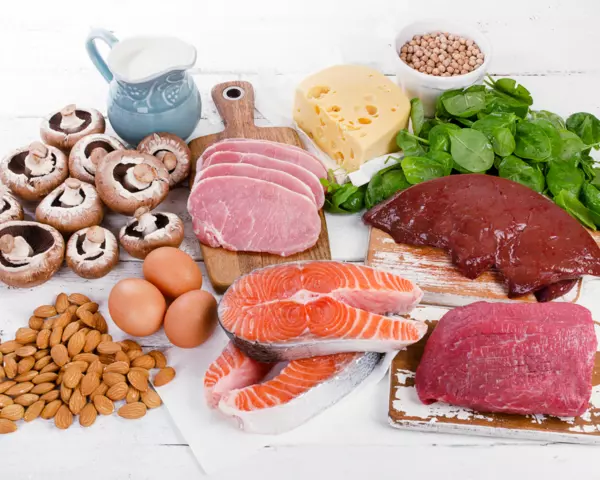
Animal products such as beef liver are particularly notable, as they contain almost all B vitamins in high concentration. In 100 grams there are about 2.9 milligrams of vitamin B2, 13.6 milligrams of vitamin B3, 7.3 milligrams of vitamin B5, 0.71 milligram of vitamin B6, 100 micrograms of vitamin B7 and an impressive 65 micrograms of vitamin B12 — more than 16 times the daily requirement for that vitamin.
Salmon is also a valuable source, providing per 100 grams 3.9 micrograms of vitamin B12 and 7.2 milligrams of vitamin B3.
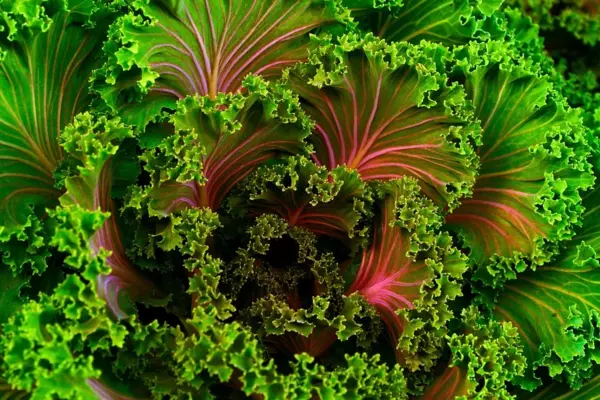
As a plant-based alternative, kale is recommended. 100 grams contain 187 micrograms of folic acid, covering more than half of the daily requirement of about 300 micrograms.
Sunflower seeds are also rich in B vitamins. Per 100 grams they contain 1.9 milligrams of vitamin B1, 0.6 milligram of vitamin B6, 56 micrograms of vitamin B7 and 121 micrograms of vitamin B9. Sesame also impresses with 0.8 milligram of vitamin B1, 1.41 milligrams of vitamin B5, 0.79 milligram of vitamin B6, 11 micrograms of biotin and 97 micrograms of vitamin B9.
Among legumes, lentils provide notable amounts. When raw, 100 grams contain 0.48 milligram of vitamin B1, 1.57 milligrams of vitamin B5, 0.58 milligram of vitamin B6, 9.1 micrograms of biotin and 132 micrograms of vitamin B9. However, a portion of the B vitamins is lost during cooking. Corn salad (lamb’s lettuce) is also an excellent source of folate with 145 micrograms per 100 grams.
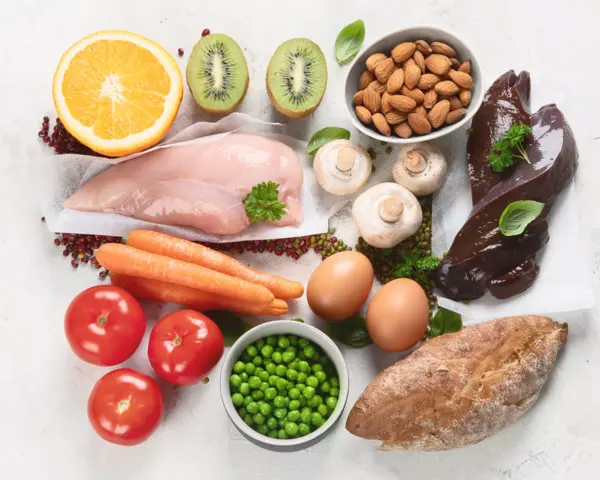
Protein sources like chicken and turkey breast are also rich in B vitamins. 100 grams of grilled chicken contain 6.8 milligrams of vitamin B3, cooked turkey breast 14.9 milligrams of vitamin B3 and 7.7 micrograms of biotin. Eggs score with 0.4 milligram of vitamin B2, 1.6 milligrams of vitamin B5, 25 micrograms of vitamin B7 and 1.9 micrograms of vitamin B12 per 100 grams.
For a quick energy boost, bananas are ideal. They provide per 100 grams 5 micrograms of vitamin B7, 0.23 milligram of vitamin B5 and 0.37 milligram of vitamin B6. If you prefer leafy greens, choose spinach, which shines with 141 micrograms of vitamin B9 per 100 grams.
Avocados are also rich in B vitamins with 20 micrograms of folic acid, 1.1 milligrams of vitamin B3 and 0.5 milligram of vitamin B6 per 100 grams.
With these foods you can obtain a wide range of B vitamins to prevent or correct deficiencies. They should be regularly integrated into meal planning to ensure a balanced supply.
How do I recognise good B-complex supplements?
The range of B-complex supplements is large, but not all products meet the necessary quality criteria.
A high-quality supplement should contain all eight essential B vitamins: B1, B2, B3, B5, B6, B7, B9 and B12. The correct dosage, based on the recommended daily intake, is particularly important.
For adults this is, depending on the vitamin and sex, between 1.0 and 1.2 mg for vitamin B1, 12 and 15 mg for vitamin B3 and 4 µg for vitamin B12. This ensures that daily needs are met without risking an overdose.
Another important feature is the bioavailability of the vitamins — how well they can be absorbed and utilised by the body. For example, vitamin B12 should be present as methylcobalamin or adenosylcobalamin and vitamin B6 as pyridoxal‑5‑phosphate (P5P), since these forms are particularly well absorbed.
The supplement should also be free from unnecessary additives such as flavours, colourings or allergens to ensure good tolerability.
The origin and manufacturing of the product also matter. A trustworthy manufacturer ideally produces regionally and has its products regularly checked by independent bodies, which should be documented by certificates.
This ensures that a high-quality and safe supplement is taken that optimally supports the body. With these criteria you can find the right product that effectively covers your vitamin B needs.
When should I take a B-complex?
Taking a B-complex can be useful in various life situations to best support the body. Especially during periods of increased strain, such as severe stress, intense physical exertion or mental strain, B vitamins can help stabilise the nervous system and promote energy production.
People with specific health problems such as anaemia, depression or chronic fatigue should first have a comprehensive blood test. This can determine whether a B-vitamin deficiency exists and whether supplementation is necessary. Also, with a plant‑based diet — especially for vegetarians and vegans — additional vitamin B12 is important because it occurs almost exclusively in animal products.
During pregnancy the need for folic acid (vitamin B9) increases, as it is crucial for cell division and the healthy development of the foetus. Supplementation is often unavoidable. If a vitamin B deficiency is diagnosed via blood tests, targeted intake should also be used to correct deficits.
Supplementation may also be necessary when taking certain medications that impair vitamin absorption or metabolism. These include, for example, metformin, proton pump inhibitors or antiepileptics. In such cases a doctor or pharmacist should be consulted to determine the correct dosage. A B-complex thus offers targeted support in various life situations and contributes to overall health.
Can a B-complex help with hair loss?
A B-complex can play an important role for hair health and help prevent hair loss, especially if a deficiency in certain B vitamins is present. Each vitamin in the complex has specific functions that are essential for hair growth and hair structure.
Vitamin B7, better known as biotin, is one of the key vitamins for hair because it is involved in the formation of keratin. Keratin is the main component of hair and provides strength and resilience. A deficiency in vitamin B7 — which can be caused by intestinal disease or certain medications — results in brittle hair or even hair loss.
Vitamin B6 plays an important role in protein metabolism and promotes utilisation of nutrients required for forming hair keratin. It also supports oxygen supply to the hair roots, which is essential for healthy hair growth. A deficiency is rare except in chronic digestive disorders or when taking certain medications.
Folic acid (vitamin B9) is essential for cell division and new cell formation, which is also important for tissue growth at the hair follicle. With folate deficiency hair growth can be slowed. Vitamin B12 is also important as it supports cell division and regeneration as well as the energy supply of hair follicles. An insufficient supply, common in vegan or vegetarian diets, can lead to hair loss in the long term.
In addition to supporting hair growth, B vitamins also help prevent hair breakage and reduce scalp inflammation. Overall, the B-complex is indispensable for healthy hair because it promotes metabolism and supplies the building blocks for strong hair. If hair loss occurs, a deficiency in B vitamins can be the cause. In that case a balanced diet or, after consulting a doctor, taking a B-complex supplement is recommended.
B vitamins: how to make the most of their benefits
- Eat lentils, chickpeas and beans to enrich your diet with B vitamins. They are ideal for soups, salads or as a side dish.
- Choose spinach, kale or chard to take in B vitamins and other nutrients. These vegetables taste good raw or cooked.
- Rely on oats, quinoa or whole grain bread to support digestion while also getting B vitamins.
- Take your B-complex preferably in the morning on an empty stomach to make the most of its stimulating effect.
- Vitamin B6 supports the sleep–wake rhythm. Taking vitamin B6 in the evening can improve your sleep quality.
- Avoid long cooking times or high temperatures to preserve heat-sensitive B vitamins in your foods.
- Under stress your body needs more B vitamins. In stressful phases ensure adequate supply through diet or supplements.
- Vegans should consume fortified products or supplements, as vitamin B12 occurs almost exclusively in animal products.
- For healthy skin and hair, vitamin B7 is important. It is found in eggs, nuts and oats.
- If fresh vegetables are not available, choose frozen products. They are a good alternative for preserving vitamins.
- Store vitamin-rich products cool and dark. Avoid long frying or boiling to keep the vitamins intact.
- Focus on a diet rich in vitamins B6, B9 and B12 to regulate blood homocysteine levels. This can be supported by eating green leafy vegetables and animal products such as meat, eggs and fish.
- If a deficiency is diagnosed, discuss B-vitamin supplementation with your doctor.
B vitamins are required for many body functions, e.g. energy production, nerve function and immune support. A balanced diet rich in natural sources such as whole grains, meat, eggs and vegetables can help meet daily needs. Since a deficiency in B vitamins can contribute to health problems, it is worth ensuring adequate intake, especially during stressful or physically demanding phases of life.