
Vitamin B2
This vitamin boss strengthens your nerves
What is vitamin B2?
Vitamin B2 is one of the eight so‑called B vitamins. It is also known as riboflavin, lactoflavin, growth vitamin and vitamin G (obsolete). This vitamin was first isolated from milk in 1920. It therefore earned the name lactoflavin, because “lac” in Latin means milk.
Vitamin B2 is water‑soluble and is not stored in our body. Since our body cannot produce this important vitamin on its own, a regular intake through food is essential. Vitamin B2 from animal sources is absorbed particularly well in the small intestine.
What functions does vitamin B2 serve in metabolism?
Its most important role is to act as a building block of various coenzymes. In this way it supports the conversion of carbohydrates, fats and proteins into energy.
In addition, vitamin B2 supports cell growth and embryonic development. It helps maintain the protective sheath (myelin) of nerves and thus protects them. Riboflavin also enhances the action of other B vitamins (folate, niacin and vitamin B6) in the body, acting like a motivating boss for the other vitamins.
Through its strong antioxidant activity it contributes to the defence against bacterial infections and tumour cells. Our body needs vitamin B2 to convert glucose and fatty acids into energy and to maintain the function of the red blood pigment haemoglobin, thereby improving iron utilisation.
What role does vitamin B2 play for skin, eyes and nerves?
It supports the regeneration of skin cells and contributes to wound healing as well as a healthy skin appearance. Moreover, this vitamin is essential for the formation of mucous membranes, skin and nails. A deficiency can lead to skin redness, cracks at the corners of the mouth or an inflamed tongue.
Vitamin B2 has antioxidant effects and protects the eye lens from oxidative stress – this can help prevent the development of cataracts. Riboflavin is important for specific proteins in the lens and therefore for the metabolism of the cornea and lens. Vitamin B2 is not only important for vision, but it likely also has an important light‑protective effect.
Riboflavin is involved in energy production in cells, especially in nerve cells. It contributes to the normal function of the nervous system and supports mental performance.
How does a vitamin B2 deficiency present?
Typical symptoms of a vitamin B2 deficiency include mucous membrane inflammations (mainly in the mouth), cracked corners of the mouth, gum inflammation, inflammation of the tongue, skin problems (eczema, scaly rash on the face), conjunctivitis, corneal changes, anaemia, growth disturbances and brittle fingernails.
In which life situations does the daily need for riboflavin increase?
The daily requirement for riboflavin increases with an active lifestyle, under intense stress, during pregnancy and breastfeeding, with diabetes or other metabolic disorders, after a serious illness and surgeries, when taking antidepressants, with smoking and alcohol consumption.
Vitamin B2: tips for optimal intake and use
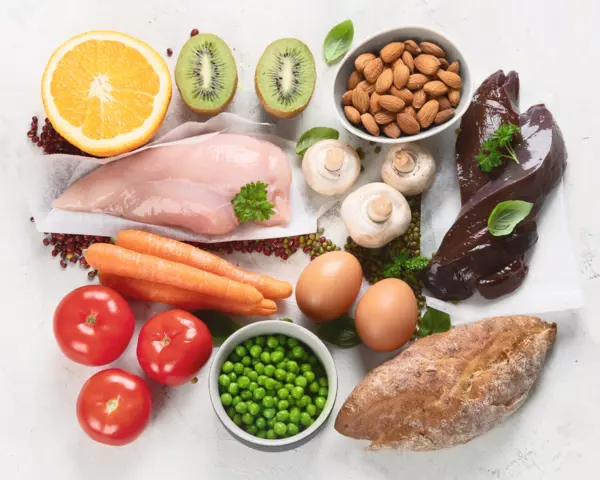
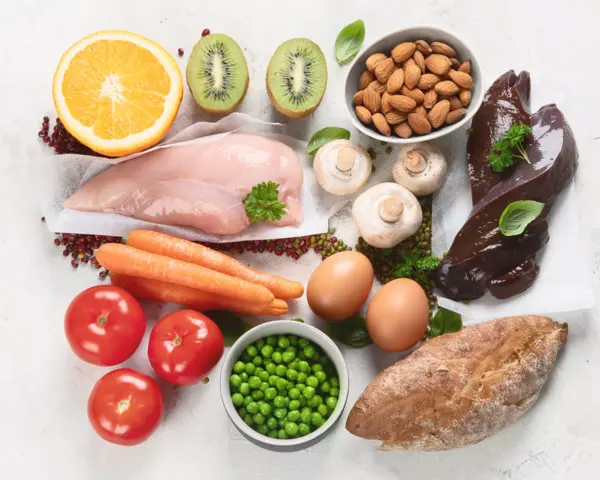
- Offal is particularly rich in vitamin B2. Include liver and liver sausage, heart and kidney in your meal plan. These foods are rich in vitamin B2 whether they come from beef, pork, game or poultry.
- Dairy products are good sources of riboflavin. You can regularly eat cheeses such as camembert (600 micrograms per 100 grams), Appenzeller, whey cheese, mountain cheese, Emmental and brie. Other dairy products and milk itself also provide vitamin B2. Milk supplies 200 micrograms of vitamin B2 per 100 grams.
- Among fish, pollock (440 micrograms per 100 grams) and mackerel are top sources with a high vitamin B2 content. Eat these products twice a week.
- Eggs provide 325 micrograms of riboflavin per 100 grams, mushrooms 422 micrograms.
- Riboflavin is also found in plant‑based foods. Among vegetables, the best sources of vitamin B2 are kale and broccoli, but also spinach (600 micrograms per 100 grams), peas and cereal products.
- Note that large amounts of riboflavin are lost during food preparation, as it is water‑soluble and leaches into the cooking water. Prepare foods gently and, if possible, also use the cooking water.
- Vitamin B2 is very light‑sensitive. It decomposes quickly in light and is converted into inactive substances. Therefore foods containing vitamin B2 should always be stored in the dark. Otherwise losses can reach up to 80 percent after only a few hours of sunlight exposure (for example in transparent milk bottles).
- You can also use dietary supplements. Vitamin B2 is usually included in combination with other B‑group vitamins. Consult your doctor before taking a supplement. Pregnant women should follow the recommendations of their obstetrician.
- Respect the daily dose. An overdose could do more harm than good. The same applies to incorrect combinations of products.
Vitamin B2 may often be overshadowed by other vitamins, but its effect on our body is anything but inconspicuous. As an indispensable engine for energy production, cell protection and healthy skin, eyes and nerves, it deserves a firm place on our plates. Those who eat a balanced diet can supply their bodies with sufficient riboflavin naturally — but in special life situations it is worth taking a closer look at intake. Sometimes it is precisely the invisible that makes the decisive difference for our well‑being.