Baby care
How to keep the little new life happy
editorial.overview
Why is proper baby care so important?
Babies have an immature immune system and are therefore particularly vulnerable to infections and illnesses. That is why it is important for parents to do their best to keep their baby healthy. Proper care allows parents to ensure their baby's health and well‑being.
For example, regular cleaning and skin care around the baby can prevent or relieve skin problems such as rashes and diaper dermatitis. Frequent care also helps your baby feel comfortable and content, which can lead to better sleep for the baby and better rest for you as parents.
By providing proper baby care, parents also support the healthy development of their child. Regular bathing, skin care and diaper changes help keep the baby clean and healthy. A balanced diet, sufficient sleep and physical activity also contribute to optimal growth and development.
How should you properly care for a baby's sensitive skin?
Baby skin care is an important part of overall baby care. A baby's skin is thin and sensitive and therefore more prone to irritation, dryness, cracking and infections than adult skin. It is therefore important to use the right products and methods to care for baby skin.
Babies have a unique skin structure that differs from that of adults. The outermost skin layer is thin and not yet fully developed. In addition, baby skin is more sensitive and can be easily irritated by external factors such as rubbing, heat, cold, wind or chemical substances.
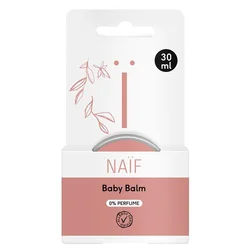
For baby skin care, use products that are specifically formulated for the needs of sensitive baby skin. It is important to choose products that are free from harmful chemicals such as fragrances, dyes or parabens, as these can irritate the skin. Instead, opt for mild and gentle products such as special baby soaps, shampoos, wipes and creams.
Another important aspect of baby skin care is proper moisturization. Since baby skin can dry out and crack easily, it is important to moisturize it regularly with a lotion or cream. Choose a moisturizer that is suitable for babies, as their skin absorbs moisture more quickly than adult skin. Overuse of moisturizers can create an oily film on the skin, interfere with skin breathing and increase the risk of skin infections.

What should you pay attention to when bathing babies?
Bathing and washing babies play an important role in baby care. They help keep a baby clean and hygienic and can also be a relaxing and calming experience. There are, however, several important factors to consider to ensure safe and effective hygiene for babies.
For cleaning, the baby should be bathed first in clean, lukewarm water. The ideal bath water temperature is about 37 degrees Celsius. It is important to check the water temperature with a thermometer to avoid burns or the baby getting cold in the water.
When choosing products for bathing and washing, select ones that are specifically developed for babies. Adult products can be too harsh or irritating and should be avoided. Shampoos and soaps for babies are mild and gentle so as not to irritate delicate baby skin. Items labelled as baby or child products are subject to specific controls during manufacturing.
The frequency of bathing is also important. Bathing too often can remove the skin's natural oils and dry out the baby's skin. Most babies only need a bath every few days, unless they become very dirty or sweaty.
How do you change diapers correctly and avoid rashes?
Diaper changing is one of the essential baby care tasks that helps keep the baby clean, dry and free from diaper rash and infections. First, choosing the right diaper size is important. A diaper that is too small can feel tight and uncomfortable around the hips, while a diaper that is too large may leak. Ensure the diaper fits snugly but not too tightly so the baby is comfortable and dry.
It is important to change diapers to maintain a dry and clean environment and minimise the risk of diaper dermatitis and infections. The frequency of diaper changes varies by baby, but it is important to change the diaper as soon as it is wet or soiled, or every few hours to keep the baby comfortable.
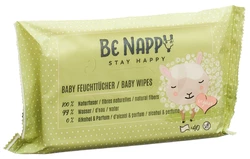
When selecting cleaning products for the diaper area, avoid alcohol and heavily perfumed products as they can irritate the baby's skin. Instead, use mild wipes or a soft washcloth with warm water and a gentle soap or cleansing solution.
What role does nutrition play in a baby's health?
A balanced diet is crucial for babies, who grow and develop rapidly during the first months and years of life. Good nutrition also helps support the baby's health and prevent illnesses.
Breastfeeding during the first six months provides better immunity for a baby, after which it can be gradually introduced to complementary foods. Start with soft, easily digestible foods such as pureed vegetables, fruits and cereals.
The baby should also receive adequate fluids – this can be water or, later, special juices for infants. It is necessary that the baby receives sufficient nutrients, especially iron, vitamin D and calcium. Iron is important for blood formation and brain growth, while vitamin D and calcium are essential for the growth and strength of the baby's bones and teeth. A balanced diet supplies a baby over six months with the necessary vitamins and elements. Meals can be homemade or purchased as ready‑made baby foods.
Gentle care from the start: tips for loving baby care
- Wash baby clothes with mild, hypoallergenic detergents.
- Avoid using soap to clean the face, as it can dry out a baby's delicate skin.
- Do not cover the baby with too many blankets to prevent overheating.
- Clean the pacifier or other objects the baby puts in their mouth regularly to reduce infection risks.
- Ensure the baby is always fed in an upright position to minimise the risk of choking.
- Trim the baby's nails regularly to prevent scratches and injuries.
- Start oral care early by massaging your baby's gums with a damp cloth or a soft toothbrush.
- Use a soft toothbrush and a small amount of toothpaste when the first teeth come through.
- For cleaning a baby's ears and nose, use only products specifically designed for infants and clean these areas gently.
- Avoid scented candles or air fresheners in the baby's room to minimise the risk of allergic reactions; a humidifier without additives is, however, recommended in any child's room.
- Make sure the baby receives enough fluids to prevent dehydration.
- Avoid overdressing the baby, as this can lead to overheating and discomfort.
Baby care is an important part of parenting and covers a variety of aspects such as skin, nail and oral care and nutrition, which can affect the baby's well‑being. For healthy development, careful and responsible baby care is essential!