Back acne
This dermatological problem is fairly common
What is back acne?
Back acne, also called “Bacne”, refers to the appearance of small pimples, pustules or larger inflammatory nodules on the back. As on the face, the back contains many sebaceous glands that secrete an oily substance which keeps skin and hair supple. However, when too much sebum is produced, pores can become blocked and acne bacteria find an ideal environment to grow.
Pimples on the back are common, particularly in people who also tend to have blemishes on the face. A noticeable difference is that back pimples are often larger than facial ones, because the pores on the torso are bigger.
What causes acne and pimples on the back?
The causes of back acne and pimples are varied. One of the most common causes is increased activity of the sebaceous glands due to hormonal fluctuations, which often occur during puberty. A higher testosterone level plays a key role, which is why men are more often affected. In women, skin blemishes often arise from a drop in oestrogen levels in the luteal phase of the menstrual cycle, which is why many women notice more pimples before menstruation.
Besides hormonal influences, a disorder of the keratinising cells can also contribute to skin blemishes. Genetic predisposition plays a role as well as external factors. A typical example is so-called “occupational acne”, triggered by contact with chemicals such as petroleum products, tar, lubricating oils or chlorinated hydrocarbons.
An unhealthy lifestyle with smoking, alcohol and drug use and lack of sleep can worsen acne. Diet also affects the skin: sugary foods, saturated fatty acids, animal fats and dairy products can exacerbate skin problems. Gastrointestinal diseases may manifest as skin blemishes, so a sudden onset of acne can indicate an intestinal disorder.
Poor hygiene can favour the development of pimples on the back. Excessive care with cosmetic products can also attack the skin's natural protective film and make it more susceptible to dirt particles.
Another phenomenon is “Mallorca acne”, which appears after excessive sun exposure and the use of overly oily sunscreens. This form of acne mainly affects people with a genetic predisposition to light-induced dermatoses, especially women.
Medications such as certain antibiotics or steroids can also lead to back acne. Stopping the contraceptive pill can also trigger acne. Mental stress such as stress, social deficiencies, anxiety and depression can worsen skin disease symptoms. Stress increases cortisol levels, which in turn affects hormone balance and can cause acne.
Are pimples on the back always acne?
Pimples on the back are not necessarily a sign of acne. There are several other causes that can contribute to skin blemishes in this area. Often it is a heat rash that occurs when sweat accumulates in the sweat glands and small pimples or red bumps form. These skin irritations usually disappear when the skin is cooled.
Allergic reactions can also cause pimples. Certain food intolerances and a high consumption of sugar, processed meats, high-glycaemic-index foods and fast food can contribute to skin problems.
Another possible cause is folliculitis, an inflammation of the hair follicles that causes small red bumps around the follicles. This skin condition can also cause pimples on the back.
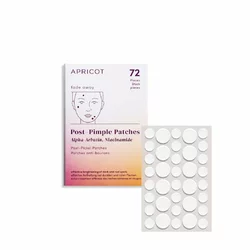

What is the difference between a pimple, a blackhead and acne?
The difference between pimples, blackheads and acne lies in their development and appearance. Blackheads, also called comedones, are caused by excess sebum. Open comedones (blackheads) are black due to oxidised melanin, while closed comedones (whiteheads) are white-yellowish.
Pimples arise when comedones become infected, often by bacteria. Papules are small, painful nodules under the skin; pustules are blisters filled with pus.
Acne is a skin disease characterised by regular occurrences of pimples. Acne vulgaris mainly affects adolescents and manifests as comedones, pimples and papules, mostly on the face. Severe forms such as acne papulo-pustulosa and acne conglobata lead to deeper inflammations and scarring. In severe cases a dermatologist should be consulted to avoid scarring.
Can clothing influence pimples on the back?
Yes, clothing can influence pimples on the back. Tight clothing can irritate the skin by friction, which can particularly worsen already inflamed acne. Mechanical influences such as pressure and friction, e.g. from wearing backpacks or leaning for a long time on chairs, can trigger new pimples. Heat and poor air circulation, especially with synthetic fabrics like polyester, also contribute to worsening acne.
Cotton clothing, on the other hand, promotes ventilation of the skin and allows sweat to evaporate better. Blocked sweat pores lead to comedones which can be infected by bacteria and develop into pustules, papules or nodules.
What helps against pimples and back acne: useful tips
- Avoid squeezing pimples on the back yourself. This can further irritate the skin and there is a risk that germs and bacteria will enter the skin, leading to bigger problems.
- Use mild cleansers for the back to remove excess oil and dirt without irritating the skin.
- Use a shower brush or washcloth. Soft brushes or sponges help remove dead skin flakes and cleanse skin cells.
- It is recommended to use a mechanical or chemical peeling with ingredients such as salicylic acid or glycolic acid to remove dead skin cells and prevent pores from becoming blocked.
- Pay attention to the ingredients of care products and, if necessary, seek individual advice from a doctor about products suitable for your skin and important skincare tips.
- Apply a moisturising lotion or gel to soothe the skin and relieve irritation.
- Choose a mild, pH-neutral shower gel and avoid products with a high alcohol content to preserve the skin's protective film.
- Wear breathable clothing. Cotton, bamboo viscose and linen allow good air circulation and help wick moisture away from the skin.
- Change bed linen regularly. Weekly changes remove dirt, moisture and germs that can contribute to skin problems. Wash not only the sheets but also the clothes that cover your shoulders.
- Reduce consumption of sugary and fatty foods to control sebum production. Generally, a balanced diet can improve the skin's appearance.
- Shower immediately after sports. Remove dirt and bacteria to avoid blockages and inflammation of the skin.
- Use a sauna to open and cleanse pores, but shower immediately afterwards to remove sweat.
- Use a light, non-comedogenic sunscreen. Protect your skin from UV rays without clogging the pores.
- Tie up long hair or wear a ponytail. This prevents additional sebum from settling on the back.
- Drink enough water, as good hydration supports the body's cleansing processes and moisturises the skin from within.
- Use ointments for painful pimples on the back and inflammations. Tea tree oil, zinc and healing clay are considered very soothing. Oral zinc supplements can also support acne treatment.
- For persistent skin problems consult a specialised doctor who will recommend a targeted treatment, correct any hormonal imbalances and advise you on skincare products and salicylic acid treatments.
Back acne (Bacne) can be promoted by various factors such as excessive sebum production and hormonal changes during puberty, and can be alleviated by targeted care and a conscious lifestyle. In difficult cases the dermatologist provides valuable support and individual treatment options. Those who address the skin's needs and take targeted measures can sustainably improve the skin's appearance.