Cystic acne
Bad on the skin, but even worse under the skin
editorial.overview
What is cystic acne?
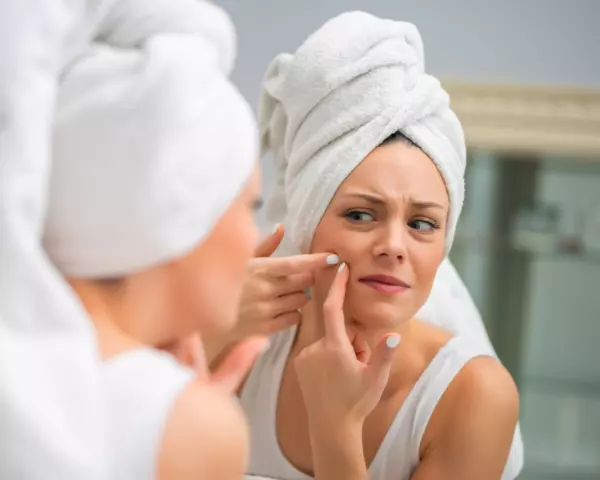
Cystic acne is a severe form of acne in which large nodules develop deep within the skin. These nodules are filled with pus and can grow up to two centimetres in size. In severe cases they can merge into larger purulent abscesses. Because of its severity, cystic acne always requires medical treatment. When cysts burst, they often leave deep scars that, in addition to physical discomfort, can also affect the mental health of those affected.
What symptoms occur with cystic acne?
Cystic acne is characterised by a number of specific symptoms. Most noticeable are the large, deep beneath-the-skin pimples that set cystic acne apart from other types of acne. Large areas of redness and swelling are typical, as are pus-filled cysts that often appear as white comedones. The cysts are tender to the touch.
Cystic acne often appears on the face , especially on the chin, forehead and nose, but also on the chest and shoulders. Various presentations are possible: redness, swelling, a feeling of tightness or pressure, and painful, pus-filled pimples.
What causes cystic acne?
Cystic acne is triggered by a variety of internal and external factors. One of the main triggers is a hormonal imbalance. Fluctuations in hormone levels, particularly androgens, can overstimulate the skin's sebaceous glands and cause excessive sebum production. This excess sebum clogs pores and promotes the growth of bacteria that cause acne.
Genetic predisposition also plays a role. If cystic acne runs in the family, the likelihood of developing it yourself is higher. Genetic factors can lead to overproduction of androgens or increased sensitivity to hormonal fluctuations.
Another significant factor is stress. It increases the production of cortisol and other hormones that stimulate the sebaceous glands and clog pores. Stress can also slow skin healing, causing cystic pimples to persist longer.
Certain medications can also trigger cystic acne. These include hormonal contraceptives, hormone replacement therapies, steroids and lithium, all of which can cause acne as a side effect.
Diet can also have an influence. A diet with a high glycaemic index, rich in refined carbohydrates and sugar, can worsen acne by causing rapid rises in blood sugar and insulin, which in turn stimulate androgen production. Consumption of dairy products is also suspected of promoting acne, as they contain natural hormones that can influence the sebaceous glands.
Lifestyle factors such as lack of sleep, smoking and frequent touching or picking at the face can also trigger or worsen cystic acne. Lack of sleep disrupts hormone balance and prevents skin renewal. Smoking promotes inflammation, and frequent touching of the face transfers bacteria into pores and damages the skin.
What is the difference between impure skin and acne?
Impure skin shows itself through occasional pimples, blackheads or papules caused by blocked skin pores. This blockage is due to dirt, sebum and sweat that cannot reach the skin surface. Impure skin can be treated with simple skincare methods such as aquapeeling.
Acne is a more serious skin condition that occurs in different degrees of severity. Mild acne mainly affects blackheads, while moderate acne also includes inflamed pimples. Severe acne is characterised by deeper, painful inflammations and large, pus-filled cysts that often require medical treatment.
What should you consider with cystic acne?
Painful nodules should not be treated by yourself, as squeezing can worsen the inflammation and spread the acne. Instead, it is advisable to seek medical help. Dermatologists can prescribe medications such as isotretinoin, which regulate sebum production and have anti-inflammatory effects. Regular medical check-ups are important during treatment to monitor side effects and ensure appropriate sun protection.
In addition to medication, thorough daily skin cleansing is necessary to remove dirt and excess sebum. In some cases, hormone therapy may help regulate hormonal imbalance, but it should only be undertaken in consultation with a dermatologist and other specialists to minimise potential adverse effects.
What does a good acne routine look like?
A truly good acne routine is as individual as your skin — there is no single “perfect solution”. But with the right sequence you can visibly improve the skin's appearance.
The first and most important step is thorough facial cleansing. Over the day and at night dirt, sebum and residues accumulate on the skin and clog pores, promoting acne and pimples. Cleansing morning and evening should therefore become routine. For oily, acne-prone skin, cleansing foams or gels are suitable, ideally containing fruit acids or salicylic acid. They remove excess oil, clean pores and help prevent blackheads and blemishes. For sensitive, dry skin a gentle cleansing milk is more appropriate. It is important to choose a mild product that does not dry the skin, so the natural protective barrier is preserved.
After cleansing comes toning with a facial toner. an alcohol-free toner helps regenerate the skin's acid mantle and prepares it optimally for subsequent products. Toners with soothing and wound-healing ingredients such as Kletterwurzel or calendula are particularly suitable for sensitive, impure or oily skin. They prevent irritation and reduce blemishes by gently clarifying and calming the skin.
The next step is targeted care. A good acne routine relies on products that mattify, refine pores and do not irritate the skin. As contradictory as it may sound, even oily, blemish-prone skin needs sufficient moisture. Lightweight, non-greasy creams with ingredients like Aloe Vera, panthenol or shea butter nourish without overloading the skin. Very important: a suitable sunscreen should always be part of the morning routine to protect the skin from UV-related damage and pigmentation.
Another key to success are so-called active ingredients that specifically target acne. Proven ingredients include benzoyl peroxide (BPO), retinoids (vitamin A derivatives), azelaic acid or niacinamide. They help renew the skin, regulate sebum levels and fight inflammation. Which actives suit you best should ideally be assessed by a dermatologist.
Depending on individual needs you can supplement your routine with other products: a pimple spot roller acts locally against inflammation, a non-comedogenic tinted day product with SPF offers additional protection, and a specialised blemish serum can be applied in the evening to help clarify the skin.
Acne scarring with cystic acne: what can be done?
Cystic acne often leads to scar formation because the cysts sit deep in the skin and can cause significant damage. To minimise the risk of acne scarring, it is important to treat the acne effectively first before focusing on scar treatment. It is imperative to avoid popping cysts yourself, especially when they are still under the skin, as this can worsen the infection and potentially spread or inflame facial nerves. Instead, acne should be treated with medical help.
To address existing scars, various measures can be helpful. A visit to a dermatologist can recommend appropriate medical therapies to combat acne and minimise scar formation. Professional skin treatments such as laser therapy or chemical peels can improve skin texture and reduce scarring. Topical products containing retinoids or vitamin C can also support skin regeneration and reduce the appearance of scars. Careful skincare is also important to prevent new scars and support skin healing.
Treating cystic acne with home remedies: useful tips
- Apply a drawing ointment to affected areas. It helps bring underground pimples to the surface by softening sebum and pus.
- For targeted treatment a zinc ointment can be used. It has anti-inflammatory effects, dries out pimples, fights bacteria and reduces pus formation.
- Tea tree oil has anti-inflammatory properties. Apply it diluted with a cotton swab to promote healing.
- Try red-light therapy, which stimulates circulation and helps dissolve deep sebum deposits. Protect your eyes and follow with a moisturiser.
- Healing clay is suitable as a mask. It draws out oil and sebum and clears clogged pores. It is mixed with water into a paste and left on for 20–30 minutes.
- A warm compress can open pores and bring pimples to the surface.
- Try a steam bath with chamomile. It opens pores, has anti-inflammatory effects and supports skin cleansing.
- Use a non-comedogenic facial cleanser to improve skin texture and promote balance; for stubborn lesions consult a doctor.
- Wrap ice cubes in a cloth and place on the pimple for about five minutes to relieve pain and swelling.
- Use a mild cleansing foam or gel to thoroughly clean the skin without irritating it.
- Use a serum with anti-inflammatory actives such as vitamin C or retinol.
- Reduce dairy intake, as these products can contain growth hormones that may worsen acne.
- Avoid high-glycaemic-index foods. Replace white bread with wholegrain products and cut down on sweets and white-flour products.
- Stress can worsen acne. Try relaxation techniques such as meditation or yoga to reduce stress and improve skin health.
Cystic acne is a serious skin condition that requires careful and consistent treatment. With the right care, appropriate medications and specialist help, symptoms can be effectively relieved. Do not hesitate to seek professional help in persistent or severe cases.