
Pimples
How to defeat this dermatological nuisance
What are pimples?
Pimples, medically also called pustules, are among the most common symptoms of ordinary acne, along with blackheads and oily skin. They usually appear from the moderate form of acne onwards, but can sometimes occur even with mild acne.
The reddish bumps on the skin can often contain a whitish pocket of pus (pustule). Occasionally the pus pockets, also called underground pimples, lie completely under the skin.
What types of pimples are there?
There are different types of pimples, and it is important to distinguish them to apply the appropriate treatment. Blackheads (comedones) are non‑inflammatory pimples that often appear as small black or white dots on the skin. For so‑called blackheads, there is a connection to the skin surface, causing the sebum to oxidise on exposure to air and darken. Whiteheads, on the other hand, are covered by a thin layer of skin and remain light. Pustules are inflammatory pimples filled with pus. They are often red and have a yellowish head.
Papules are also inflammatory lesions that rise above the skin but, unlike pustules, do not contain pus. They are small and can also be red. Cysts and nodules lie deeper in the skin and are often painful. They contain pus and are more severe. Cysts are usually larger and can leave scars. It is important to recognise the different types of pimples because treatment may vary depending on the type. Non‑inflammatory lesions like comedones require a different approach than inflammatory lesions such as pustules or papules. Therefore, it is advisable to consult a dermatologist to obtain the right treatment for your specific pimple type.
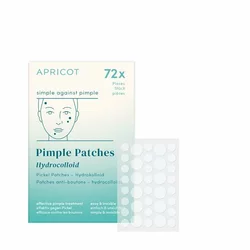
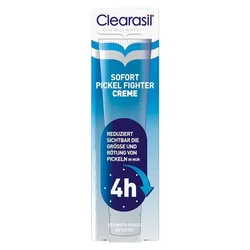
What are the main causes of pimples?
Pimples have various causes and do not only occur during puberty; they can affect people of any age. A common cause of pimples is hormonal fluctuations. These fluctuations are triggered by different life events such as puberty, pregnancy or stopping the contraceptive pill. Pimples therefore affect not only adolescents but also adults and even small children.
In addition to hormonal changes, there are external factors that can promote the appearance of pimples. Cosmetics and skincare products that clog the pores can encourage pimple formation. A carbohydrate‑rich diet, especially foods with a high glycaemic index, as well as the consumption of fatty and oily foods increase the risk. Towels and other textiles contaminated with bacteria and rarely washed can transfer bacteria to the skin and cause pimples.
Certain medications, such as sedatives or sleeping pills, steroids and cortisone, can also cause pimples. High humidity promotes pimple formation. The consumption of nicotine (cigarettes) and alcohol, as well as persistent stress and psychological strain, can increase the skin's susceptibility to pimples. Heavy makeup, especially if it is not properly removed, clogs the pores and leads to pimples.
Which home remedies help against pimples and how are they used?
There are several proven home remedies for pimples that are gentler and often cheaper than chemical products. Healing clay is a mineral powder long used in alternative medicine. It is skin‑friendly and helps pimples subside faster. Tea tree oil has antibacterial and anti‑inflammatory properties and is suitable for targeted treatment of pimples. It is applied spot‑wise to the affected areas and left to act, preferably overnight. Aloe vera is known for its astringent and antibacterial properties. The gel obtained from the plant works against skin blemishes, redness and swelling.
Zinc also has antiseptic and wound‑healing properties. Zinc ointments dry out pimples and promote healing. There are also zinc capsules for internal use to support the skin from within. Apple cider vinegar has antibacterial properties and is suitable for treating and preventing skin blemishes. Mix a tablespoon of apple cider vinegar with a glass of water and apply the mixture to pimples with a cotton pad. Honey is known for its anti‑inflammatory and antibacterial properties. Manuka honey, especially that from New Zealand, is considered particularly effective.
What you can do yourself: care tips for pimples and blemished skin
- Cleanse your skin twice daily with a mild product to avoid stimulating sebum production.
- Include regular exfoliation in your skincare routine to remove dead skin cells and make the skin more receptive. For blemished skin, chemical peels like the 2% BHA peel and the 20% AHA peel are effective.
- Avoid mechanical scrubs with abrasive granules if you have acne, deep inflammations or pustules.
- Do not squeeze pimples with your fingers, as this favours infections.
- Change your towels and washcloths regularly to prevent dirt and bacteria buildup.
- Use separate towels for your face and hands to avoid transferring bacteria.
- Use mild creams to avoid clogged pores and skin blemishes.
- Pay attention to a balanced diet that reduces sugary and fatty foods as well as dairy products.
- Remember to include omega‑3 fatty acids in your diet, e.g., from fatty fish or fish oil capsules.
- Support a healthy gut flora through a fibre‑rich diet and probiotic products.
- Drink enough water to maintain skin hydration and support skin health.
- Try to reduce stress, as stress promotes the development of pimples.
- If you have severe acne or skin problems, consult a dermatologist to receive tailored treatment plans.
Effective management of pimples and blemished skin requires a balanced combination of skincare, nutrition and lifestyle. The individual needs of the skin should always be taken into account, while avoiding irritants and maintaining a consistent routine are crucial. In addition, seeking professional advice is sensible to ensure healthy skin in the long term.