Baking soda
The all-rounder for health and household
editorial.overview
What is baking soda and how does it work against excess acidity?
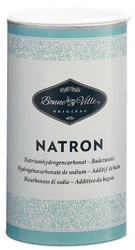
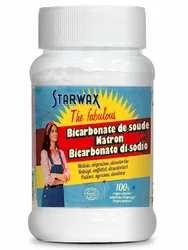
Baking soda (sodium bicarbonate NaHCO3) is a sodium salt of carbonic acid. This white powder resembles fine salt and is produced from sodium chloride (table salt). Baking soda was discovered around 1840, and its ability to quickly relieve colds and certain chronic conditions was recognised soon after.
This ability is due to baking soda's high pH: it is alkaline and can neutralise acid excesses that occur in the body during illness. The neutralising effect of baking soda on stomach acid has been demonstrated. The alkaline substances in baking soda reduce acidity in the stomach and oesophagus, which can, for example, relieve heartburn and reflux.
Can baking soda inhibit inflammation and influence the immune system?
Baking soda can stimulate the spleen to create an anti-inflammatory environment in chronic inflammatory conditions, according to a study at Augusta University in Georgia, USA.
The spleen is an important organ of our immune system. It contains so-called mesothelial cells. These have microvilli – tiny finger-like protrusions that probe the surroundings like small sensors, triggering an alarm and initiating an immune response if needed. Special immune cells called macrophages take part in this immune response: their role is to engulf and dispose of cell debris, dead cells and harmful intruders.
In certain diseases, however, an overreaction can occur, leading to inflammation. The ingested baking soda solution signals to mesothelial cells via the messenger acetylcholine that an immune reaction is not necessary, thereby producing an inhibition of inflammatory processes. After just a few weeks of taking the baking soda solution, the number of pro-inflammatory immune cells (M1 macrophages) decreases and the number of anti-inflammatory M2 macrophages increases. This change in macrophage populations occurs not only in the spleen but also in the blood and the kidneys.
How does baking soda support kidney health?
The kidneys regulate, among other things, the acid–base balance and mineral metabolism. If they no longer perform these functions well, the blood pH can fall, resulting in renal acidosis and increasing the risk of osteoporosis and cardiovascular disease.
Clinical studies have shown that taking baking soda can lead to a reduction of this acidosis and even a slowing of kidney insufficiency. In addition, baking soda changes urine acidity, thereby inhibiting bacterial growth and potentially easing burning during urination with bladder infections.
What role does baking soda play in cancer therapy and autoimmune treatment?
Under the influence of baking soda, regulatory immune cells — T cells — proliferate. These suppress autoimmune processes, so the immune system no longer attacks the body's own tissues. This effect was observed in studies at least four hours after drinking baking soda water.
Researchers also found that baking soda (the bicarbonate it contains) can soften tumours to such an extent that lower doses of chemotherapy can achieve quicker results than usual.
Does baking soda improve athletic performance?
In endurance and strength sports the intake of sodium bicarbonate can also be beneficial. The more intense the exercise, the more lactate (the salt of lactic acid) the body produces. The body clears lactate over time, but sometimes there is too much, causing pH to drop. Muscles become acidified and fatigued.
Taking sodium bicarbonate raises the pH of the blood and thereby improves athletic performance. In a Chinese study, athletes received three times a week before HIIT training a drink containing 0.2 g sodium bicarbonate per kilogram of body weight. Muscle fatigue occurred later in participants who took the bicarbonate drink than in those who did not.
Versatile and natural: best tips for using baking soda in everyday life
- Because neutralising stomach acid before and during meals should be avoided, baking soda is taken one hour before or from two hours after meals, three times a day. The usual dose is about half a teaspoon of baking soda powder in 120–250 ml of water.
- Baking soda solution is commonly used as an over-the-counter antacid: it neutralises stomach acid in reflux. However, baking soda does not treat the causes of reflux and should not be taken without medical advice.
- For heartburn that worsens at night when lying down, the baking soda solution is taken before bedtime after consulting a doctor.
- A gargle made from one teaspoon of baking soda and 500 ml of water combats bacteria and viruses in the throat and pharynx during colds, sore throats and phlegm. Gargle several times daily with the solution until symptoms subside. During colds, additionally take half a teaspoon of baking soda dissolved in 200 ml of water three times a day.
- Use only pure sodium bicarbonate without additives and do not confuse it with commercial baking powder, which also contains acidifying and anti-caking agents, often phosphate-based.
- Add a pinch of baking soda to cooking water to soften legumes such as peas, lentils and beans as well as cabbage, and to reduce bloating.
- Supermarket fruit is often treated with wax or sprayed. To remove these unwanted substances, use a mixture of baking soda and vinegar for cleaning.
- A nasal rinse with 1.8 g salt and 0.6 g baking soda in 250 ml lukewarm water provides quick relief for colds and hay fever.
- For cold sores, mix baking soda with a little water, apply in the evening to the blisters and leave on overnight. The blisters dry out and itching is relieved.
- A foot bath with baking soda helps against sweaty feet, calluses and burning or swollen feet after a long day on your feet. Use about three teaspoons of baking soda per foot bath. At 36–40 °C a foot bath should last about 20 minutes, up to 30 minutes if needed.
- Some people swear by sprinkling baking soda powder under the armpits instead of a ready-made deodorant. A deodorant roll-on can also be made quickly with baking soda: gently heat 1–2 teaspoons of cornstarch in 100 ml water, stir in two teaspoons of baking soda, add five drops of essential oil and pour into an empty roll-on.
- For bad breath, a solution of half a teaspoon of baking soda in a glass of warm water helps. Gargle with the solution to remove bacterial deposits.
- One teaspoon of baking soda in the egg cooking water changes the pH of the water and affects the eggshell so that the eggs peel more easily.
- Place a bowl of baking soda in the refrigerator to absorb unpleasant odours.
- Clogged drains can be cleared again with baking soda and vinegar.
- Rinsing with a baking soda solution removes fish and onion odours from dishes (especially wooden utensils).
- If you forgot a pot on the stove, loosen burnt-on food by boiling some baking soda in water in the affected pot.
- To clean the toilet bowl, add half a cup of baking soda to the bowl, let sit for an hour and then clean as usual.
- Too much baking soda is harmful to the stomach: with prolonged neutralisation of stomach acid by baking soda, the body reacts with a compensatory overproduction of stomach acid. Baking soda is rich in sodium, which can disrupt blood pressure. People with high blood pressure, heart disease or impaired kidney function should not drink baking soda. The same applies to pregnant women, as baking soda can affect the acid–base balance of the unborn child.
Baking soda is a true all-rounder for health, personal care and household – try it for yourself!