
Sea salt
It can help far beyond the kitchen
What ingredients does sea salt contain?
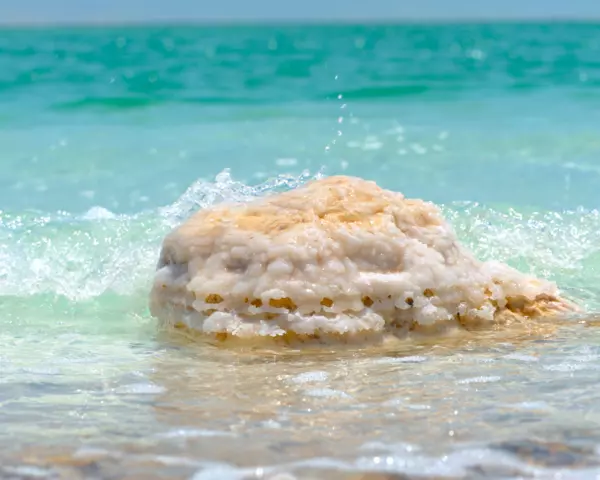
Sea salt is obtained from salt water: the salty water is led into so-called salt pans, where the salt concentration increases due to sunlight and evaporation and eventually the remaining water is drained until only the salt layers remain. This process takes about 6 months.
Seawater boasts more than 40 different beneficial substances, including large amounts of positively and negatively charged ions. Positively charged ones include sodium, potassium, magnesium and calcium ions, while negatively charged ones include chloride, sulfate and carbonate ions.
Refined table salt (cooking salt or table salt) is usually chemically purified and contains only sodium chloride with manufacturer-dependent chemical additives. It is far from the original natural rock salt (fossilised sea salt). Therefore sea salt, with all its minerals and trace elements, is considered particularly healthy and has a broader range of effects than conventional table salt.
What health benefits do alkaline salts like sea salt offer?
Natural rock salts and sea salt are alkaline. Organic alkaline salts contribute to the deacidification of body fluids and thus to maintaining a healthy acid–base balance, water and nutrient balance and stable blood pressure.
They can be used as brine baths for respiratory infections, allergies, digestive and sleep disorders, concentration problems and skin conditions and can provide relief from stress.
Bone and joint conditions are also positively affected. Salt causes the blood vessels to dilate, leading to muscle relaxation and relief for the joints. The result is improved mobility and reduced pain, which benefits affected people. Saltwater can significantly alleviate symptoms of osteoarthritis and rheumatism.
In healthy people, salt baths strengthen the immune system and help prevent skin and respiratory conditions. Saltwater vapour soothes and comforts the irritated mucous membranes of the bronchi and airways and clears a blocked nose of mucus and bacteria.
Brine baths also have mood-lifting and uplifting effects on depressive moods and harmonise the autonomic nervous system. For weakness and fainting, a little mineral rock salt on the tongue can help.
What advantages does sea salt offer for skin health?
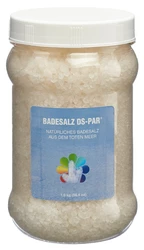
Sea salt, particularly Dead Sea salt, promotes skin health: it acts anti-inflammatory, removes dead skin cells, supports the skin's natural healing process and ensures good nutrient supply.
For oily skin the salt has a cleansing effect: it makes the skin softer than pure water can, dissolves dirt particles mixed with skin oils and stimulates blood circulation in the skin so that toxins and waste are better transported away. This stimulates new cell formation, supplies deeper skin layers with minerals and trace elements and leaves the complexion clearer and fresher.
How does sea salt help with chronic skin conditions like acne or psoriasis?
For chronic skin conditions such as acne, atopic dermatitis, rosacea and psoriasis, Dead Sea salt solution promotes wound healing through its antibacterial, anti-inflammatory and disinfecting action.
The skin is cleansed and remineralised. The saline solution supports the shedding process and relieves itching. Afterwards, the skin should be rinsed with clean water and moisturised.
Salty all-rounders: tips for optimal use of sea salt
- The World Health Organization recommends consuming no more than five grams of salt per day.
- Too much salt can irritate sore skin; the skin may redden and sting. When in doubt, consult your doctor.
- When bathing in salt water, pay attention to clean water. The skin's barrier function is temporarily weakened by salt water, allowing germs to penetrate the skin more quickly.
- For a full saltwater bath you need about 400 g of sea salt. For impure skin, acne and spots, the water should contain five to ten percent sea salt. A circulation-friendly water temperature is between 36 and 38 degrees Celsius; the maximum bathing time is 20 minutes.
- To open the pores, cleanse the skin thoroughly and also do something good for the airways, take a soothing salt steam bath for the face. Dissolve about three teaspoons of salt in a bowl of boiling water, add tea tree oil, and hold your head with a towel over head and shoulders above the bowl for 10 minutes.
- A similar effect on the facial skin is provided by a saltwater compress. Dissolve 50 g of sea salt in one litre of boiling water, soak a clean cloth and place it on the face for about 15 minutes.
- For spots, mix a teaspoon of sea salt with two tablespoons of lukewarm water and apply to the face after cleansing with a cotton pad. Let dry, rinse and moisturise.
- For blemishes on the back, soak an old cotton T-shirt in sea salt water, put on the damp T-shirt and cover with a warm wool blanket for an hour. Then rinse thoroughly.
- For irritated nasal mucosa, a nasal rinse with a teaspoon of fine sea salt helps: mucus and dirt particles as well as viruses and bacteria are flushed out and the inflammation is relieved.
- For muscle and joint pain, place a cotton cloth in water with 4% salt, wring it out and place it on the affected area. Cover with a warm wool blanket. The effect is similar to a full bath but less time-consuming.
- For a sea salt scrub, you can mix coarse sea salt with olive oil, honey or coconut oil, apply the paste to the skin and massage gently. Then rinse the sea salt paste off with lukewarm water. By removing old skin flakes and stimulating blood circulation, subsequent skin regeneration processes are promoted. Note that such a scrub should only be used once a month. Skin cells typically need 28 to 30 days to renew themselves.
- Salt dries out the skin in the long run. Therefore the skin should always be rinsed with clean water without alkaline soap after using salt. Dry skin should then be treated with a rich cream.
- In case of kidney problems, cardiovascular complaints or low blood pressure, brine baths should be avoided.
- When buying sea salt check the ingredient list. The salt should contain no artificial additives and be as unprocessed as possible. With high-quality, natural, coarse sea salt the crystals break easily.
Sea salt provides plump, silky skin, stimulates circulation and helps prevent respiratory conditions. Benefit from this all-rounder for health and beauty too!