Barley grass
This super‑enzyme slows the ageing process
editorial.overview
What is barley grass?
Barley grass is a long green stem that grows from the barley grain. The young shoots are harvested after four to five months and are still gluten‑free. The nutrients in barley grass are especially easy for our bodies to absorb.
Decades ago, Japanese scientist Dr Yoshihide Hagiwara examined more than 200 varieties of green leafy vegetables and found that barley grass contains more vital nutrients than many other green plants.
What nutrients and vital compounds does barley grass contain?
It provides almost all essential vitamins (vitamin A, vitamin C, vitamin D2, vitamin E, vitamin K and various B‑group vitamins including vitamin B12 and folic acid).
Barley grass also contains potassium, iron, copper as well as selenium and manganese. These nutrients are needed by the body for cell protection, blood clotting and cartilage formation.
Other healthy constituents include bitter compounds, chlorophyll, enzymes and all essential amino acids.

How does barley grass support digestion and gut health?
It is packed with valuable ingredients that can naturally support digestion. If your stomach acts up from time to time, this nutrient‑rich green is worth considering.
The abundant fibre stimulates bowel movement, supports regular emptying and promotes a comfortable abdominal feeling. Soluble fibres also serve as food for beneficial gut bacteria.
The high chlorophyll content can help to detoxify the gut and reduce inflammation.
Barley grass contains enzymes that aid digestion by helping to break down fats, proteins and carbohydrates more effectively. This allows the body to be supplied with nutrients more efficiently – and all without additives or artificial aids.
An unbalanced acid‑base balance can disrupt digestion. Barley grass acts alkalising and can help restore balance in the digestive tract – ideal for those prone to heartburn or bloating.
Even with a sensitive gut or inflammatory complaints, barley grass can be soothing. The natural ingredients calm the intestinal mucosa and support regeneration – gently but effectively.
What positive effects does barley grass have on heart, circulation and metabolism?
Thanks to its unique combination of vital nutrients, barley grass stimulates the body's self‑healing powers, stabilises the cardiovascular system, lowers high cholesterol levels and has anti‑inflammatory effects.
Barley grass is notable for the "super‑enzyme" superoxide dismutase (SOD), which occurs in very few plant foods and may protect the brain from ageing processes and the body from harmful effects of radioactive radiation. Regular consumption of barley grass can help normalise blood pressure and blood sugar levels.
How does barley grass contribute to acid‑base balance and wellbeing?
Barley grass is considered a strongly alkalising food – and that is one of its major health advantages. In modern diets, acid‑forming foods such as meat, coffee, sugar or white flour products often dominate. Over time this can throw the body's acid‑base balance off, leading to fatigue, skin problems, digestive issues or general discomfort.
Alkaline minerals like calcium, magnesium and potassium help neutralise excess acids in the body. Barley grass supplies them in a natural, well‑absorbable form – a real counterbalance to an acid‑heavy lifestyle.
A balanced acid‑base status can improve cellular function and promote general wellbeing. Many people report increased energy, better sleep and a strengthened immune system after taking barley grass.
How to effectively integrate the superfood barley grass into your daily routine
- Consume 15 grams of barley grass (divided into two to three portions) daily to benefit from its health‑promoting advantages. Start with a low dose to test your individual tolerance. Generally it has no side effects and is well tolerated.
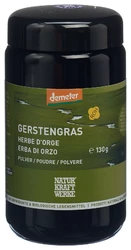
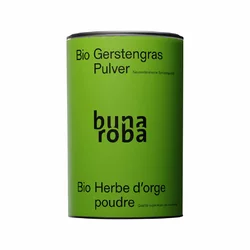
- For a calming effect with stress and sleep disturbances, take barley grass powder. It contains numerous fibres, is particularly well tolerated, stimulates digestion and helps with digestive complaints such as chronic diarrhoea, irritable bowel and bloating. Barley grass powder can be taken in the evening for its calming effect.
- For an invigorating, stimulating effect and general health improvement, use barley grass juice powder. It provides no fibre and offers a higher concentration of rare antioxidants and vital nutrients.
- For an alkalising drink, mix 1 teaspoon of barley grass powder with a large glass of water or juice. To give your drink a sweet‑exotic note, add a pinch of real organic vanilla.
- To mask the natural taste of barley grass, prepare an alkalising fruity pineapple‑orange drink. For one serving you need 100 g fresh pineapple, 150 ml orange juice, 100 ml water and 1 teaspoon of barley grass powder or barley grass juice powder. Put everything into a blender and purée the drink thoroughly.
- You can mix barley grass powder into salad dressings, dips, spreads, energy‑ball recipes and much more. A small amount will not affect the dish's flavour.
- Ready‑made products containing barley grass are also available. Protein bars and protein shakes with barley grass often include other useful ingredients such as hemp protein powder and spirulina.
- Barley grass is also available in capsules and tablets that require no preparation and allow simple dosing.
- Barley grass powder as a drink or in tablet form is particularly recommended for people with diabetes, as it can positively influence blood sugar and cholesterol levels.
- Pregnant women and people with a weakened immune system should consult a doctor before taking it.
- Be cautious if you have a gluten intolerance. Although barley grass is gluten‑free, traces of gluten may be present depending on the manufacturer.
- When buying, look for organic quality. High‑quality organic barley grass is free from pesticides and other harmful substances.
Incorporate barley grass into your daily diet and discover its many health‑promoting benefits for yourself!