Oats
The energy-rich ally against excess weight
editorial.overview
What oat products are available?
Oats (Avena sativa) are a whole-grain food most commonly eaten as oat flakes. These can be divided into three types: large flakes (coarse flakes), small flakes (soft flakes) and instant flakes.
When producing flakes, the inedible parts of the grain are removed and the kernel is flattened using a special machine. Large flakes are rolled from the whole kernel. For small flakes the grains are cut before rolling. Instant flakes are made from oat flour.
From the crushed outer layers and germ you get oat bran. Up to 85% of the oat's valuable nutrients are concentrated in these parts of the kernel. Oats are rich in B vitamins, zinc, magnesium and copper, supporting normal cell renewal as well as the proper functioning of the immune and nervous systems, and promoting healthy hair, skin and nails.
How do antioxidants in oats affect cholesterol and blood pressure?
Oats provide plenty of antioxidants. These are important for a healthy immune system and neutralise free radicals. The antioxidant avenanthramide helps maintain balanced cholesterol levels. On the one hand, it prevents oxidation of harmful LDL cholesterol and its deposition in blood vessels.
On the other hand, it increases production of nitric oxide, which dilates blood vessels and improves blood flow, helping to lower blood pressure. Avenanthramide also reduces inflammation and itching.
Why are oat fibres good for metabolism and satiety?
Oats are a healthy source of fibre that boosts metabolism and keeps you feeling full for longer. These fibres are water-soluble and indigestible and are a good natural remedy for gastrointestinal upset.
The complex, long-chain carbohydrates in oats are digested slowly, so blood sugar rises only gradually and evenly after a meal and you avoid sudden sugar cravings.
Fibre also triggers the release of the peptide hormone YY. This is a satiation hormone: it gives the body a stronger feeling of fullness, so fewer calories are consumed. All of this makes oats a good ally in the fight against excess weight.
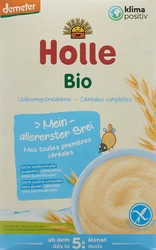
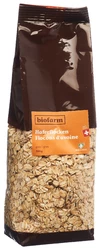
What role do beta-glucans play in diabetes and heart health?
About 45% of oat fibre is soluble beta-glucan. They can lower blood sugar naturally, which benefits people with diabetes. The swollen mucilages form a viscous mass that ensures sugar is absorbed only gradually.
Beta-glucans also play an important role in keeping cholesterol levels consistently within the normal range, helping to prevent cardiovascular disease.
Beta-glucans bind bile in the intestine. Bile contains large amounts of cholesterol, which are thus excreted with the stool and do not re-enter the bloodstream. In addition, beta-glucan slows the absorption of fat and cholesterol. To benefit from this effect, one should consume 3 g of beta-glucan daily, which corresponds to around 80 g of oat flakes.
How do oats support gut health and digestion?
As a probiotic food, oats have a positive effect on the gut flora, accelerating the growth of beneficial bacteria and their activity in the intestine.
Oat mucilage forms a protective layer on the mucosa and is soothing for stomach pain, irritable bowel, bloating and diarrhoea.
The phytoandrogens contained in oats are very similar to the male hormone testosterone: they promote increased performance and have a stimulating effect.
More than just breakfast: oat power for kitchen and body
- Oat flakes are ideal as a tasty, nutrient-rich, quick meal or snack – whether as muesli, overnight oats or porridge cooked in milk or water.
- Overnight oats taste especially creamy. Mix oat flakes and liquid in a 1:2 ratio in a jar and let this “cold porridge” soak overnight in the fridge. Water, milk, plant-based milk or yogurt can be used as the liquid. Fresh fruit, dried fruit, nuts, seeds, coconut flakes and cacao nibs make good toppings depending on taste.
- A classic muesli is Bircher muesli with grated apples and chopped hazelnuts. Soak 50 g of soft oat flakes in cold water overnight, then add 600 ml of milk or plant-based milk. Grate 4 apples and stir them into the muesli together with 4 tablespoons of chopped hazelnuts and a little lemon and apple juice until creamy.
- Oat flakes provide 5.8 mg of iron per 100 g, while beef provides about 2.6 mg. Vegans and vegetarians can consider oats an ideal iron source – best combined with vitamin C–rich foods that improve iron absorption.
- Those aiming to lose weight should avoid adding dried fruit to oat flakes: it contains a lot of sugar, raises blood sugar and encourages cravings. Fresh fruit and nuts are better choices. Cocoa powder or cinnamon can serve as mild sweeteners.
- If your goal is to lose weight, you can prepare oat flakes with fruit tea instead of milk: it saves calories and provides a flavour variation.
- Be aware that oat flakes with milk can cause side effects such as bloating, a feeling of fullness, stomach cramps and diarrhoea. The culprit is milk sugar, lactose. If you experience these unpleasant side effects, try oat flakes with plant-based milk alternatives.
- For a porridge made from whole oats, wash the grains thoroughly before cooking, cover them with twice the amount of water and simmer the porridge for 30 minutes over low heat.
- You can sprout oats and use them as a nutrient-rich addition to salads, muesli or on bread. A so-called naked oat is particularly good for sprouting because, unlike conventional oats, it does not require dehulling.
- To make a tasty oat milk at home, pour 100 g of soft oat flakes and a pinch of salt into 1 litre of water, let the oats swell for 5 minutes and blend in a high-speed blender. Strain the liquid through a cloth into a container and flavour the oat milk with cinnamon, vanilla or dates to taste. Depending on whether you prefer a thicker or creamier consistency, you can vary the amount of water. This plant milk can be stored airtight in the fridge for three days.
- For better absorption of important nutrients, oats should be soaked. This reduces the content of phytic acid, which binds minerals such as iron, zinc, calcium and magnesium. After just 30 minutes of soaking, phytate levels are significantly lower, making the minerals in oats more available.
- Porridge and oat-flake soup are time-honoured home remedies for constipation. The fibres in oats swell in the intestine, increasing stool volume. It is advisable to drink 1.5 to 2 litres of fluids per day.
- An oat cure can be useful for overweight, diabetes and lipid metabolism disorders. Consume 75 g of oat flakes for breakfast, lunch and dinner three days in a row. Oat flakes are briefly boiled in water or fat-free broth and can be seasoned with herbs and spices and enhanced with 100 g of vegetables or 50 g of berries per day. It is important to drink enough fluids. If you take medications such as insulin, consult your doctor about dose adjustments. Sometimes the dose is halved after discussion with the physician.
- Note that oat flakes can go rancid quickly, so buy them in small quantities if possible. Store oats protected from light in a cool place.
- A homemade oat-flake mask cleanses and cares for your skin. Grind 2 tablespoons of oat flakes in a blender, mix them with 1 tablespoon of yogurt, apply to the washed face and leave the mask on for 10 minutes. For blemished skin you can add one to two teaspoons of apple cider vinegar.
- An oat-flake scrub helps to clean facial skin thoroughly and gently. Make a mixture of 2 teaspoons of coarse oat flakes, 1 teaspoon of honey and 1 teaspoon of brown sugar. Massage the mixture into the face for one minute with circular movements and then rinse off with clear water.
- Oat flakes are low in gluten, but they can come into contact with other cereals during processing. If you have a gluten intolerance, buy only oat flakes labelled “gluten-free”. Such products are produced under strict guidelines to prevent contamination.
- Because some oat flakes can be contaminated with mould toxins or glyphosate, choose organic products when buying.
Integrate oat products into your diet with moderation and purpose, and your body will surely thank you!