
Golden millet
This prehistoric food makes you more beautiful
Why is millet a valuable staple food?
For millennia, millet has been regarded in Asia and Africa as an indispensable staple food. Millet plants are extremely undemanding and can grow even on poor soils.
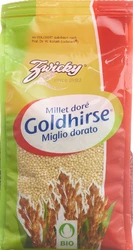
Interestingly, the nutrients are distributed throughout the entire millet grain, whereas in other cereals they are mainly found in the outer layers. Hulled millet is therefore just as healthy as unhulled. The grain of yellow millet is golden-yellow and is known as golden millet.
What nutrients and minerals does millet contain?
Millet is a real powerhouse among cereals and provides a variety of valuable nutrients that are important both for general health and for specific bodily functions.
Millet contains about 60–70 % complex carbohydrates. These provide long-lasting satiety and supply the body with energy for hours. They cause blood sugar to rise slowly, which can be particularly beneficial for people with insulin resistance or diabetes.
With about 10–12 % protein, millet is a good plant-based protein source. Interestingly, it contains relatively high levels of essential amino acids such as methionine and leucine, which are important for cell building, the immune system and muscle metabolism.
Millet stands out for its high content of various minerals. It is an excellent source of iron: 100 grams of cooked millet provide a quarter of our daily iron requirement, which is important for oxygen transport, energy production and cell division.
Millet has a high content of magnesium: about 120 mg per 100 g of uncooked millet grains. Magnesium supports muscle function, nerves and the heart as well as energy metabolism.
The zinc in millet is essential for skin, the immune system and wound healing. Golden millet is particularly rich in silicon (silicic acid), which supports skin, hair, nails and connective tissue. Phosphorus contributes to bone strength and energy production. Potassium regulates fluid balance and is important for the heart and nerves.
Millet features one of the highest fat contents among cereals, with about 75% of the fatty acids being unsaturated, and thus healthy.
Millet provides primarily B vitamins, including vitamin B1 (thiamine) for nerve function and energy metabolism, vitamin B2 (riboflavin) for skin health and cell function, niacin (B3) for skin regeneration and energy production, as well as vitamin B6 for protein metabolism and the nervous system.
Millet contains natural antioxidants that can protect cells from damage by free radicals. These include polyphenols and flavonoids – especially in the bran fractions.
Is millet gluten-free and who is it particularly suitable for?
A major advantage for people with coeliac disease or gluten sensitivity: millet is naturally gluten-free and therefore ideal as a cereal alternative.
Millet is excellent for introducing complementary foods, as it is easy to digest and provides many important nutrients such as iron, magnesium and B vitamins – ideal for healthy growth.
Thanks to its high iron content and valuable plant protein, millet is an excellent component of plant-based diets. It supports nutrient intake without animal products.
With complex carbohydrates and magnesium, millet is an ideal energy source before or after training and supports muscle function.
How does millet support skin, hair, nails and connective tissue?
Due to its high silicon content, millet contributes to the beauty of hair, skin and nails.
It can firm connective tissue and thus help prevent cellulite. Particularly dry and cracked skin benefits from sufficient silicon. In addition, millet contains B vitamins and vitamin E, which has strong antioxidant properties.
What health effects does millet have on the immune system and infections?
Millet can act as a restorative, warming, nerve-strengthening, diuretic, detoxifying and anti-inflammatory food. It strengthens the immune system and is particularly recommended for flu-like infections: it does not produce mucus and supports faster recovery.
Nutrient bomb on the plate – golden millet made easy
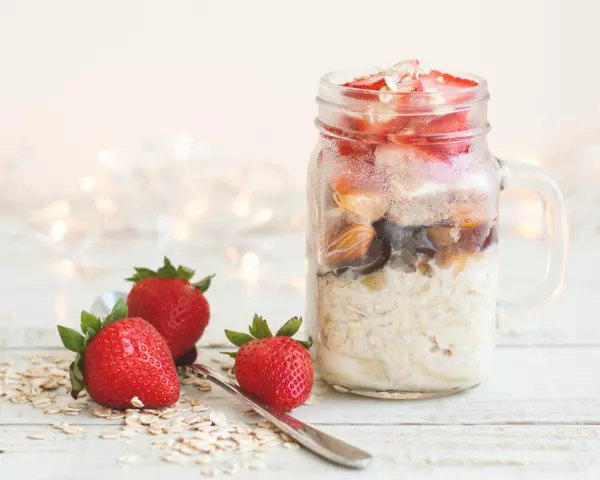
- For a delicious breakfast porridge, use coarsely crushed millet grains (millet grits). Whole millet grains and millet flakes are also suitable. Boost them with fruit for a sweet millet porridge, use millet as a side dish or mix it into a salad or soup. As a tasty alternative to risotto, you can cook a millet "hirsotto".
- Millet flakes are pressed and steamed millet grains, a great alternative to other cereal flakes, especially for people with gluten intolerance.
- Before cooking, soak millet for several hours or overnight to reduce phytic acid, then discard the soaking water.
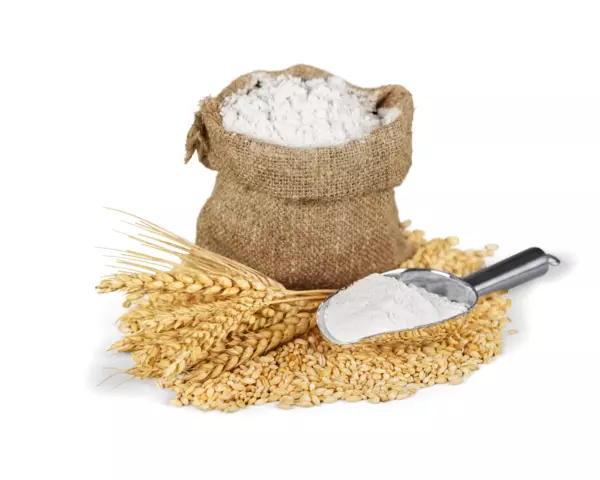
- From ground millet grains you can bake delicious muffins, flatbreads or pancakes. You can replace up to 30% of flour with millet flour.
- You can steam millet at 100° C for about 35 minutes or soak it overnight, cook for about 10 minutes and let it swell for 20 minutes.
- For chronic fatigue, millet helps to replenish iron stores. Cook millet with broccoli or bell peppers, as these foods are rich in vitamin C, which improves iron absorption.
- A millet cure promotes detoxification. Over the course of 7 days, eat 70 percent millet and 30 percent raw and/or steamed vegetables and fruit seasoned with natural spices and cold-pressed vegetable oils. To support detoxification, drink 2–3 litres of water or herbal teas daily. Alternatively, plan one millet day per week where you eat only millet dishes.
- Millet husks are perfect as a pillow filling. Because they are small and flexible, they adapt to every head movement and can prevent tension.
- Millet can be used externally as a grain pillow for tension, muscle pain, sprains, bruises, menstrual complaints as well as tired and heavy eyes. Millet grains retain the desired temperature for a long time. To warm, place the grain pillow on the lower rack of the oven at 100 degrees for a maximum of 15 minutes. To cool, place it in the freezer.
- Millet should be stored dry, cool and protected from light. Because of its high fat content, millet cannot be stored for long and should be used up as quickly as possible after opening the package.
With these tips you can benefit from the enormous positive effects of this health-promoting cereal.