
Bath additives
How almost-magical water lifts your mood
editorial.overview
What bath additives are there?
There are numerous bath additives that can be chosen depending on their effects and your skincare needs.
One of the most popular bath additives that creates lots of foam and a pleasant scent is the bubble bath. It primarily serves to cleanse and refresh the body; however, the surfactants it contains can dry out and irritate the skin if used frequently.
Bath oils are ideal for skin care and provide intensive moisture. Pure oils offer the best nourishing effect, while blends often include perfumes and colourants that create a relaxing or invigorating bathing experience. Essential oils such as lavender have a calming effect, while eucalyptus can relieve cold symptoms.
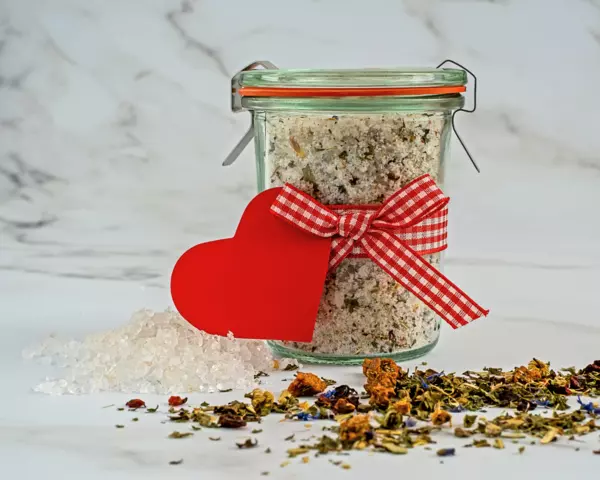
Like conventional tea, bath tea is added to the tub to deliver nourishing effects. It frequently contains herbs, oils or additives such as colourants and foaming agents to make the bath pleasant and beneficial.
Coarse-grained bath salt, especially from the Dead Sea, has nourishing and deeply cleansing properties. It dissolves in the water and provides a mild peeling effect that helps remove keratinised skin and regulate sebum production. The minerals in the salt support skin health and can reduce impurities.
Alkaline bath, oil bath, bubble bath: which additive is right for whom?
The choice of the appropriate bath additive largely depends on individual skin needs and the desired effect.
Alkaline baths are particularly suitable for people with dry or sensitive skin and for those with an overly acidic body. They contain minerals that have a detoxifying effect and raise the natural pH level.
This stimulates the production of lipids that nourish and replenish the skin barrier. In addition, alkaline baths support skin regeneration and help the body eliminate acids. They are a good option for skin problems or stress, as they have a soothing and restorative effect.
Oil baths are the best choice for dry and very sensitive skin. They supply nourishing fats and provide long-lasting moisture. They are often enriched with essential oils that can also influence mood – citrus scents are invigorating, while lavender and chamomile are relaxing.
A good alternative for those who prefer less oily feels is a cream bath, which is also re-lipidising and, combined with plant milk, gently cares for the skin. However, when using an oil bath you should avoid extra soaps or shower gels to prevent counteracting the re-lipidising effect.
If you are looking mainly for relaxation and a pleasant experience, bubble baths are a good choice. They transform the tub into a fragrant cloud of foam and turn bathing into a sensory treat through colours and scents. Bubble baths cleanse the skin but have a less intensive nourishing effect. People with oily skin can benefit from the cleansing effect, but should limit bathing time to about 15 minutes to avoid drying out.
If you suffer from muscle and joint pain, colds or tension, you should consider medicinal baths. Additives such as rosemary and fir needles stimulate circulation and give an energy boost, while eucalyptus, thyme and lemon balm free the airways and alleviate cold symptoms. Devil's claw can also help with back pain. A short rosemary bath is ideal to banish tiredness and enliven the mind – perfect after a long day or an intense workout.
Bath bombs: what is inside the fizzing bath additive?
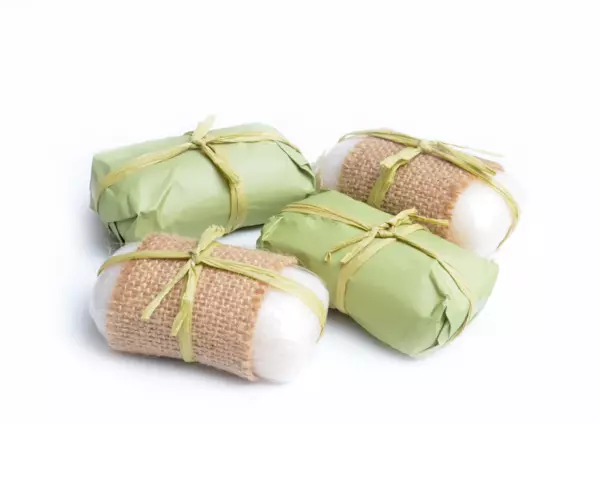
Bath bombs have become indispensable in the modern bathing experience and offer much more than a colourful fizzing spectacle in the water. They have evolved into a popular skincare product that engages the senses and pampers the skin intensively.
Bath bombs are made from a mixture of baking soda (sodium bicarbonate) and an acid such as citric acid or ascorbic acid. Only when dissolving do these two substances react with each other and release carbon dioxide – the characteristic fizz begins.
This process is comparable to the carbonation in mineral water, which also produces a tingling sensation on the skin. Bath bombs come in shapes ranging from classic spheres to tablets and seasonal variants like Easter eggs or Christmas stars. They are designed to make the bathing experience more exciting while being gentle on the skin.
Besides the visual effect, bath bombs also have a caring function. They are often enriched with moisturising oils that nourish the skin and protect it from drying out.
Almond oil is especially moisturising and is excellent for dry and sensitive skin. After bathing the body feels soft and supple.
Coconut oil has antibacterial properties and provides valuable nutrients. It is ideal for regenerating the skin and reducing blemishes.
Shea butter is particularly rich and helps repair dry skin and relieve itching. It is ideal for people with very dry or sensitive epidermis.
Sea salt is known for its antibacterial and anti-inflammatory properties. It helps maintain the skin's natural protective barrier and can soothe skin irritations.
Many bath bombs contain essential oils which, through their aromatherapeutic properties, intensify the bathing experience. Depending on the oils used, they can have different effects on mood.
Lavender has a calming effect and helps reduce stress. Citrus scents like orange or lemon are invigorating and refreshing. Chamomile and vanilla create a relaxing atmosphere, ideal after a long day. Thanks to these essential additives, a bath bomb can be used intentionally – for example to relax after a stressful day or to enliven a tired mind.
When should a bath additive be added to the water?
The right time to add a bath additive depends on the type of product. As a rule, the additive should be added before immersion. For some additives, such as bath teas or bath truffles, however, it is advisable to wait until the active ingredients have fully dispersed before getting in.
A bubble bath, on the other hand, can be enjoyed immediately after filling the tub – the foam forms as the water runs. Bath oils require a bit more preparation and should be mixed beforehand with milk or cream so that they distribute evenly in the water rather than just floating on the surface.
For precise instructions, it is worth following the guidance on the product packaging, as it contains specific information on usage.
Can shower gel be used as a bath additive?
In principle, a shower gel can be used as a bath additive, but there are some differences between the two products to be aware of. Shower gel is less concentrated in its composition. It mainly contains water, surfactants, fragrances and care agents optimised for direct skin contact during showering. Bath additives, on the other hand, are more concentrated, often rich in essential oils and nourishing substances intended to be diluted in water.
Shower gel can be safely added to the water, but a small amount will not be enough to achieve the same nourishing effect as a product specifically developed for bathing. Much more shower gel would be needed, which can become expensive in the long run. Conversely, a concentrated liquid bath additive should not be applied directly to the skin as it may be too aggressive and dry the skin out.
Are there bath additives that are unsuitable for pregnant women?
There are bath additives that may be unsuitable during pregnancy. Particular caution is required with essential oils, as some can stimulate contractions or affect circulation. Oils such as cinnamon, sage, basil and peppermint should be avoided during pregnancy. They can trigger strong reactions and negatively impact the pregnancy. Gentler oils like lavender or rose are better choices as they have soothing effects.
Another risk is very hot baths or bath additives such as salts that raise the water temperature too much. Temperatures that are too high (above 39 degrees Celsius) can increase the risk of miscarriage in the early weeks of pregnancy. In addition, whirlpools and long bathing sessions can strain circulation and promote infections, since water is often not sufficiently renewed.
It is advisable to consult a doctor before using new bath additives and to check the ingredients to ensure that no harmful substances such as parabens, phthalates or harsh chemicals are present.
Bath additives: how to use them correctly for skin, health and relaxation
- Choose the right bath additive for your needs. There is a wide selection of bath oils, bubble baths and herbal baths. Consider whether you want relaxation, invigoration or skin care, and choose accordingly.
- Pay attention to the ingredients. Many bath additives contain essential oils that can have different effects. For example, lavender is calming while eucalyptus is refreshing. Read the product description to achieve the desired effects.
- Dose correctly. Overdosing can irritate the skin or make the bath water unpleasant. Follow the usage instructions on the packaging to use the optimal amount.
- Test new products beforehand. Before using a new bath additive, perform a small skin test to make sure no allergic reactions occur.
- Combine different additives for a personalised experience. You can, for example, combine bath salt with essential oils or herbs to enhance the desired effect. However, ensure that combinations are skin-compatible.
- With simple ingredients like sea salt, essential oils and herbs you can make your own bath additive. This allows individual adaptation to your needs and preferences.
- Mind the water temperature. The optimal bathing time is 10 to 15 minutes in warm water. Water that is too hot can dry out the skin, while water that is too cold can reduce the effectiveness of the additives.
- Use special additives for skin problems. For skin conditions such as atopic dermatitis or psoriasis, specialised medicinal bath additives with anti-inflammatory and anti-itch properties can be helpful. Seek advice from a pharmacy.
- For children’s bath additives pay special attention to the composition, as children's skin can react more sensitively. Choose mild products without harsh chemicals.
- At the first signs of a cold, additives with essential oils like eucalyptus or thyme can help open the airways and stimulate circulation. A warm bath with these additives can be soothing.
- If you suffer from dry skin, bath oils or bath milks with moisturising ingredients such as coconut oil or shea butter can help care for and hydrate the skin.
- After a strenuous day, additives with ingredients like rosemary or eucalyptus can help relax muscles and relieve tension.
- Products with natural ingredients are often gentler on the skin and more environmentally friendly. Look for certifications such as “natural cosmetics” or “organic” to identify such products.
Bath additives are more than just a pleasant addition to bath water. They offer a valuable combination of relaxation and skin care that can boost both physical and mental well-being. By choosing the right ingredients, individual needs can be specifically addressed, making the bathing experience an ideal break from daily life. Regular baths with the right additives can make the skin more supple while providing a moment of calm and regeneration.