
DIY Body Care
How to make your own cosmetic products
editorial.overview
What is DIY cosmetics?
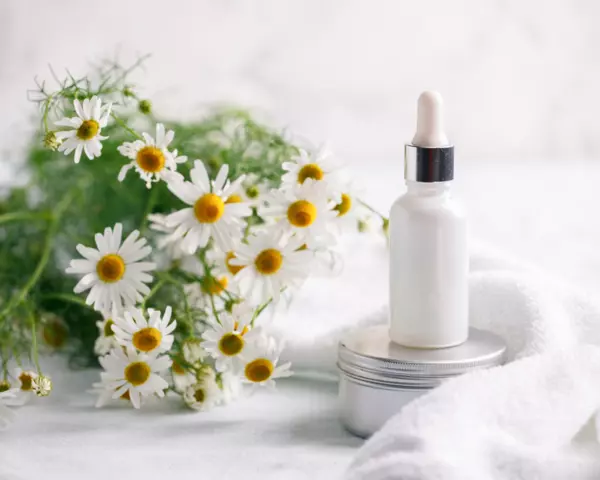
DIY cosmetics refers to homemade beauty products made from natural ingredients such as oils, butters, herbs and other biodegradable components. The DIY cosmetics trend reflects a growing interest in health‑ and environmentally conscious alternatives to commercial cosmetic products.
What are the advantages and disadvantages of homemade cosmetics?
Making your own cosmetics has pros and cons to consider if you are interested in this natural and creative form of beauty care.
A key advantage of homemade cosmetics is the complete control over ingredients. You can use only natural and well‑tolerated ingredients, which is particularly important for people with allergies or sensitive skin.
Homemade cosmetics also often avoid plastic packaging and encourage the use of eco‑friendly materials and ingredients that are free from harmful chemicals.
Products can be precisely tailored to individual skin needs. You can create formulations that address specific skin issues or personal preferences.
The downside is that DIY cosmetic products often lack strong preservatives, which significantly limits their shelf life. Products therefore need to be prepared more frequently and there is a higher risk of bacterial growth if they are not stored or preserved properly.
Making your own cosmetics can be time‑consuming and requires some practice. In addition, natural, high‑quality ingredients can sometimes be more expensive than conventional products.
Without good knowledge of how different ingredients work, homemade cosmetics can be ineffective or fail to deliver the desired results. Ingredients that seem harmless, such as citric acid or certain oils, can sometimes cause skin irritation or allergic reactions.
Which cosmetics can you make yourself?
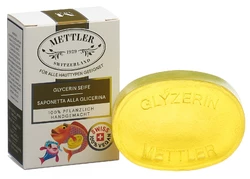
A wide range of cosmetic products can be made at home. This includes homemade soaps, which can be made with many natural ingredients such as honey, lavender or rose. These ingredients provide not only a pleasant scent but also particular nourishing properties.
By emulsifying oils and water it is possible to produce custom skin creams. You can develop a cream specifically matched to your skin type, enhanced with ingredients like green tea extract or aloe vera for additional benefits. A blend of beeswax, coconut oil and shea butter forms the base for a nourishing lip balm that keeps lips soft and smooth.
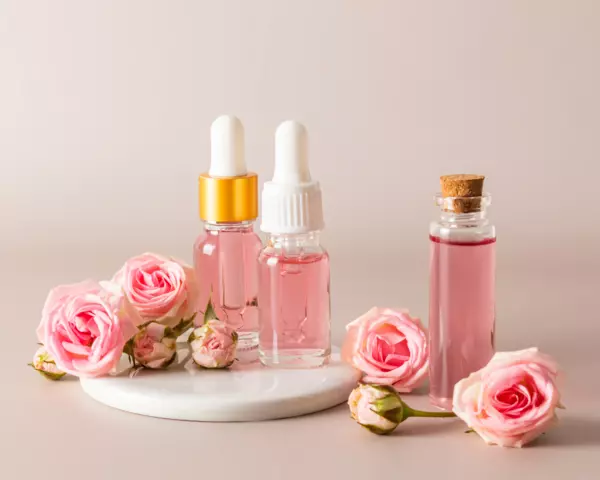
Simple ingredients like baking soda and coconut fat are suitable for preparing effective, natural deodorants without the controversial ingredients found in many commercial products. Rose water, obtained by distilling rose petals, is a lovely natural alternative to bought products. It can be used as a toner or in perfume making.
This also includes aloe vera products, as aloe vera is known for its moisturizing and healing properties. You can create aloe vera gel, lotions or masks to enjoy its benefits.
What ingredients do you need for homemade green cosmetics?
Making green cosmetics requires many natural ingredients that are easy to find in the kitchen or at an organic shop. Basic ingredients include various oils such as olive oil and rapeseed oil, commonly used in recipes. For richer formulations you can also use cocoa butter, shea butter and coconut oil, which hydrate and soften the skin.
Herbs such as lavender or rose petals are valued not only for their scent but also for their skin‑care properties. Spices like ginger or cinnamon are also used because of their antioxidant properties.
Beeswax is a common ingredient, especially in products like lip balms and salves, because it forms a protective barrier without clogging pores. For a pleasant scent and additional skin benefits use essential oils such as peppermint, orange or lavender oil. These should be used sparingly as they are highly concentrated.
To extend the shelf life of cosmetics, natural preservatives such as vitamin E or grapefruit seed extract are suitable.
Which natural ingredients are particularly good for the skin?
Various natural ingredients offer excellent benefits for skin care by supplying nutrients, soothing and protecting the skin. Argan oil is known for its moisturizing and healing properties and is particularly suitable for dry or irritated skin. It absorbs well and forms a protective film that prevents moisture loss.
Shea butter is an excellent moisturizer that forms a protective barrier on the skin against environmental stress. Shea butter is especially useful for dry, chapped lips and as an intensive hair treatment. Safflower oil is ideal for oily skin as it helps reduce shine and balance skin hydration and lipid levels.
Avocado oil is rich in healthy fats and vitamin E, which nourish and protect the skin. It is excellent for massages and helps regenerate and smooth the skin. Wild rose oil and rosehip oil are rich in vitamins and promote skin regeneration. They are particularly effective at improving complexion and skin texture by stimulating circulation and giving the skin a rosy glow.
How long does DIY cosmetics last?
The shelf life of homemade cosmetics depends heavily on the ingredients used, the preparation method and storage conditions.
Products based on water are usually the least stable. Without preservatives they are at room temperature only good for a few days. In the fridge they remain fresh for up to two weeks. Using natural preservatives like vitamin E or grapefruit seed extract can extend shelf life to several weeks.
Products that do not contain water, such as pure oil blends or balms, can be stable for several months when stored cool and dark. Adding vitamin E can help delay oxidation and rancidity of oils.
Solid soaps are generally very long‑lasting and can be stored for up to three years if kept dry.
Careful hygiene during preparation is essential to minimise bacterial contamination. Tools and containers should be sterilised before use. Storing finished products in clean, airtight containers in a cool, dark place also helps maximise shelf life.
Create your own body care routine with natural ingredients: useful tips
- Prefer small containers for your homemade cosmetics, as every opening lets air into the product and speeds up spoilage. Try to trap as little air as possible by filling containers to the brim.
- Also note the filling date on bottles to better judge shelf life.
- Store oil‑based products, like homemade aroma roll‑ons, in dark, tightly sealed brown glass bottles. A cool place without strong temperature fluctuations is ideal for storage.
- Water‑based products are particularly prone to germs. Keep them refrigerated or frozen. Water‑based products freeze well and can be portioned into small servings, for example as ice cubes.
- Only make as much as you can use in the near future. This helps save resources and prevents your products from going bad.
- Ensure clean equipment and use fresh ingredients. Wash your hands thoroughly before starting production and clean all utensils carefully.
- Use mild natural soaps or a homemade cleaner made from boiled water, vinegar and disinfectant essential oils to clean your utensils. Lavender, tea tree, lemon or eucalyptus oils are particularly suitable.
- Make sure to use only fresh, high‑quality raw materials. Avoid using ingredients that have already been opened or are close to their expiry date.
- Use small tubes or dispensers to prevent direct contact with fingers. This keeps your cosmetics cleaner and more hygienic.
- Use leftover plant ingredients creatively, for example in desserts or as an addition to pancakes. This minimises waste and makes optimal use of your resources.
- If you are looking for a natural alternative to conventional deodorants, making your own deodorant with just three ingredients is an excellent option. This homemade deodorant, made from organic coconut oil, baking soda and cornstarch, has proven effective even during sports. Start by thoroughly mixing 2 teaspoons of baking soda and 2 teaspoons of cornstarch in a bowl to ensure the dry ingredients are evenly distributed. Then melt 3 teaspoons of organic coconut oil and gradually add it to the baking soda‑cornstarch mixture while stirring continuously. Work until the mixture reaches a soft, creamy consistency that is easy to scoop with the fingers and apply to the skin. For a personal touch, you can add a few drops of your favourite essential oil to scent the deodorant. This yields an effective, skin‑friendly deodorant without unnecessary additives.
- For a natural and eco‑friendly skincare routine, you can easily make your own body and face scrubs. Start a body scrub by mixing a few teaspoons of coffee grounds from your morning coffee with jojoba or olive oil in a bowl. This mixture is excellent for gently removing dead skin under the shower and leaving the skin smooth.
- For the face, coffee grounds are often too coarse. A finer sugar scrub is better suited. Mix two tablespoons of quark with one teaspoon of honey and one tablespoon of sugar. This combination gently removes dead skin cells and provides moisture.
- Alternatively, you can use a healing clay scrub by mixing clay with some lukewarm water or chamomile tea to make a paste. Apply the paste as a mask and leave it on for about 15 minutes. Then rinse the mask off with warm water using circular motions.
- For an effective facial cleansing routine tailored to your skin type, you can easily make your own toner. For dry skin, mix the juice of a quarter cucumber with one tablespoon of lemon juice to gently cleanse and hydrate the skin. For combination or blemish‑prone skin, a mix of 25 millilitres apple cider vinegar and 75 millilitres distilled water is recommended, as apple cider vinegar has clarifying properties. If you have low‑maintenance skin, combine 100 millilitres of green tea with one tablespoon of lemon juice for antioxidant benefits and a refreshing effect. To preserve the longevity and purity of your toner, store it in a freshly boiled brown glass bottle. This helps keep the product as free from bacteria as possible and maintains its effectiveness.
- To keep your breath fresh while reducing plastic waste, you can easily make your own mouthwash without resorting to large plastic bottles. You need 250 millilitres of boiled water, 1 teaspoon of baking soda and 5 drops of peppermint oil. First boil the water and let it cool slightly. Then add the baking soda and the peppermint oil. Mix well and pour the liquid into a small bottle. Shake briefly before each use to ensure the baking soda is evenly distributed. The application is as simple as using a conventional mouthwash from the drugstore. This simple method contributes to greater sustainability in your daily routine.
Making your own cosmetic products at home allows you to control the ingredients and promotes sustainability. However, you should also consider possible drawbacks such as the time required and the expertise needed. Do your research, use trusted recipes and consult experts if unsure. With due care, DIY cosmetics can be effective while also being environmentally friendly.