Birch
The tree of youth
editorial.overview
What is the birch?
The birch, scientifically known as Betula pendula, is native to Central Europe and Scandinavia and is characterised by its white bark with darker markings. Its small, diamond-shaped leaves with serrated edges are often among the first to appear in spring. The birch's flowering period already begins in March and April.
It is a symbol of spring and is traditionally adorned during spring festivals. The birch symbolises vitality and fertility and is one of the first plants to unfurl its leaves in spring.
What healing properties do the components of the birch have?
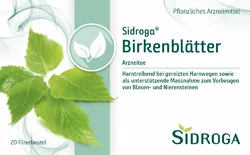
The birch has a variety of healing properties. The leaves act as a diuretic and detoxifying agent by stimulating the metabolism and supporting kidney function. They are recommended for drainage and detox cures and are also regarded as “blood-purifying".
Substances in birch leaves promote urine excretion. A birch cure in spring is therefore considered beneficial, but due to its gentle action it should be carried out over a longer period. The positive properties of birch leaves can be used both internally and externally.
The bark contains tannins, bitter substances, resins and betulin (birch camphor). Betulin, which is responsible for the birch's white colour, stimulates cytokines that promote wound healing when injuries occur. Birch bark extracts shorten the inflammatory phase of wounds and also help with skin problems such as pimples, skin impurities and mild eczema.
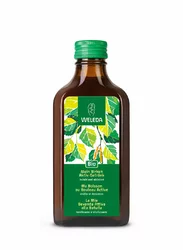
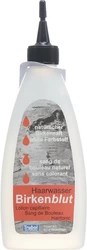
Birch sap, already valued by the Germanic peoples as a beauty drink, contains various amino acids, minerals, trace elements and antioxidants. Whether drunk neat or applied externally as a hair rinse, scalp tonic or wound dressing – the strengthening and cleansing effects of birch sap are versatile.
What are the medical applications of betulin and other birch products?
Betulin, a component of birch bark, has anti-inflammatory and wound-healing promoting properties. In addition, betulin can act antitumourally and antiproliferatively by inhibiting uncontrolled tissue growth. Betulin is used in medicine to produce ointments and emulsions. These stable formulations require only plant oils and water, without added emulsifiers or preservatives. The result is a therapeutic preparation that is well tolerated and particularly suitable for treating irritative skin changes such as wound margins, inflamed skin folds (intertrigo) or actinic keratoses.
Birch charcoal is used in anthroposophic medicine. In combination with chamomile and antimonite it is used in capsule form for acute digestive complaints such as diarrhoea, bloating and intestinal cramps. The aim is to calm and strengthen the organism.
Birch sugar, also called xylitol, is a healthier alternative to conventional sugar and is suitable for caries prevention. It originates from the wood of birch and beech, but corn cob residues or the yeast Candida tropicalis can also serve as starting material.
What advantages does birch sugar offer compared with conventional sugar?
Birch sugar contains 40 percent fewer calories than conventional sugar and is therefore a calorie-conscious choice. It is inaccessible to caries-causing bacteria and suitable for caries prevention.
For people with diabetes it is an acceptable alternative as it affects blood sugar levels to a lesser extent. In addition, it is less likely to lead to sugar addiction, making it a healthier option for those who want to reduce their sugar consumption.
How do you distinguish natural birch sugar from synthetic xylitol?
Natural birch sugar is derived from birch wood and is more expensive than synthetic xylitol, which is often produced from corn cobs or other plant materials. It is often difficult, however, to tell whether a product is the natural substance from birch wood or the cheaper synthetic variant.
The production of 25 kilograms of crystalline birch sugar from the wood of a single birch is an elaborate process involving shredding, soaking, splitting and concentrating — which explains the higher price compared with ordinary sugar, but also makes it a healthier alternative.
By contrast, the synthetic xylitol variant is produced industrially, often from other plant materials such as corn cobs or wood residues from other trees. The manufacturing process involves hydrolysis of xylan (a plant fibre) to xylose, which is then hydrogenated to obtain xylitol. This method is more efficient and cost-effective than extraction from birch wood, which is why most commercially available xylitol products are synthetically produced.
Distinguishing between natural and synthetic xylitol products can be difficult because labelling is often insufficient. Consumers who value the natural variant should check the fine print and look for products explicitly labelled as derived from birch wood. These products are more likely to be found in health food stores or specialised online shops.
How to optimise the use of birch and birch polypore for health purposes
- Drink 2-3 cups of birch leaf tea daily. The diuretic properties help cleanse the urinary tract. A birch leaf tea regimen to support the urinary tract is generally recommended for 1 to 2 weeks, although medical advice is advisable, especially in the presence of existing conditions or medication. Adequate fluid intake and attention to possible electrolyte imbalances are important.
- Use an infusion of birch leaves as a facial rinse or for baths. The anti-inflammatory compounds can soothe skin irritations.
- Rinse your hair regularly with an infusion of birch leaves to stimulate the scalp and help prevent hair loss.
- Take birch polypore tincture daily to strengthen your immune system. The beta-glucans it contains have an immunomodulating effect. Dried birch polypore pieces can be macerated in alcohol (e.g. 70% ethanol) and left to infuse for several weeks.
- Pour 1-2 teaspoons of dried birch leaves over 250 ml of boiling water and let the tea steep for 5-10 minutes to utilise the diuretic effect.
- Soak birch leaves in hot water and apply them as a compress to affected skin areas to relieve inflammation and irritation.
- Add fresh birch leaves to your water and let them steep for several hours to prepare a natural detox water.
- Mix the birch leaf infusion with apple cider vinegar and rinse your hair with it to help prevent dandruff and soothe the scalp.
- Gargle your throat with a birch leaf infusion to relieve sore throats and reduce oral infections.
- Dry birch leaves and use them in a potpourri to spread a fresh, woodland scent in your home.
- Note that natural remedies provide supportive effects and do not replace consulting a doctor or medical treatment.
The wide-ranging health benefits and uses of birch make it a valuable component of natural medicine and self-care. Whether as tea, tincture or skincare product, the healing properties of these natural resources offer gentle yet effective support for health and well-being.