Brainfood
This makes you an Albert Einstein
editorial.overview
What is Brainfood and how does it affect brain function?
The term “Brainfood” refers to foods intended to improve brain function. Nutrition plays a role in influencing the brain's neuroplasticity, meaning its capacity to adapt. A good diet can also affect mood and emotional health. There is no universal recipe, but a balanced diet is crucial for healthy, active brain function.
Even the best brain food does not automatically make you smarter or wiser. However, it can help supply the brain with fresh energy and thereby boost performance after an energy dip. Consistently optimal nutrition often leads to greater concentration, clarity and joy of thinking – so active improvements in cognitive abilities are indeed possible. Good brain food often proves effective against the dreaded brainfog. Conversely, poor diet and insufficient fluid intake can impair the brain, making it slower and more foggy.
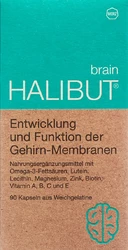


Which foods are considered particularly effective brain food?
Certain essential nutrients referred to as “brain food” are vital to support brain function, for example omega‑3 fatty acids, found mainly in fatty fish like salmon and mackerel and in plant sources such as flaxseed or walnut oil. These fatty acids are important for brain health and can improve concentration, memory and mood. Antioxidants are abundant in berries such as blueberries and blackcurrants and help prevent cell damage from free radicals, protecting the brain from oxidative stress.
B vitamins, including B1, B2, B6, B12 and biotin, are involved in glucose production and the synthesis of neurotransmitters for nerve signal transmission. B1 is found in whole grains, peanuts and sunflower seeds, B2 mainly in dairy products, B6 in potatoes, nuts and chicken, B12 primarily in animal products such as fish or meat, and biotin in mushrooms or soybeans.
Anti‑inflammatory foods such as turmeric, ginger, green tea and dark chocolate reduce inflammation in the brain.
Vitamin C not only protects the brain's cognitive functions but also supports memory. Vitamin‑C rich foods include red peppers, various cabbages, spinach, blackcurrants and kiwis.
Potassium supports carbohydrate metabolism and ensures smooth transmission of nerve impulses. Green vegetables like spinach, avocados, broccoli, as well as bananas, apricots and dates, are good sources of potassium.
Magnesium counteracts fatigue, improves concentration and dilates blood vessels, which promotes circulation. Whole‑grain and dairy products, cashew nuts, oats and bananas are rich in magnesium and can also help reduce stress.
Selenium, an important trace element, protects neurons in the brain, supports metabolism and strengthens the immune system. Selenium is found in mushrooms, cruciferous and allium vegetables, lentils, asparagus and Brazil nuts.
Among the main energy sources are complex carbohydrates. These are converted by the body into glucose and released continuously over a longer period to the brain. Low‑glycaemic carbohydrates such as whole grains, legumes and vegetables provide a stable energy supply to the brain, unlike sugary drinks and processed snacks.
Iodine is especially important during development, but in adulthood it also affects thyroid hormones, metabolism, the cardiovascular system and nerve cells. A balanced diet and a healthy lifestyle with regular physical activity are equally important to support brain health.
An essential form of brain food is regular hydration. It's easy to forget, but we need at least two litres of fluids per day to help prevent headaches and concentration problems, which can be a challenge during the working day. Unsweetened tea, diluted fruit spritzers or plain water improve circulation and supply the brain with oxygen and nutrients.
What role does the gut‑brain axis play in the effect of brain food?
The gut‑brain axis describes the connection between gut and brain. Through this axis, the brain and the gut communicate. Although this system is not yet fully understood, one thing is clear: brain food is also gut food. High‑quality nutrition has positive effects on both systems. Brain food supports not only concentration and focus but can also help prevent mental disorders. Foods such as fermented products or those high in fibre promote a healthy gut flora, which in turn influences cognitive health.
A healthy diet in early life is crucial for preventing age‑related diseases later on. Healthy fats, particularly in higher‑fat or ketogenic diets, may help delay brain ageing, prevent dementia and mitigate disease symptoms.
Which foods should be avoided to protect brain function?
Certain foods, if consumed in excess, can negatively affect brain function and cognitive health. These include sugary foods and drinks, where high sugar intake can cause blood sugar fluctuations that impair concentration. Likewise, processed foods with artificial additives and trans fats can trigger inflammatory reactions that are harmful to brain health.
Too much saturated fat, especially from red meat and butter, can increase the risk of heart disease. Ready meals and fast food, high in saturated fats, sodium and calories, can lead to overweight. Excessive alcohol consumption damages the brain and leads to memory problems and cognitive decline. Too much caffeine can cause sleep problems and anxiety. A high salt intake can raise blood pressure and impair cerebral blood flow.
It is important to emphasise that occasional enjoyment of these foods in reasonable amounts normally has no harmful effects. However, long‑term excessive and continuous consumption of these products can have negative consequences for brain health.
How can a Mediterranean diet serve as brain food?
The Mediterranean diet is based on plentiful fruits and vegetables, legumes, crunchy whole grains, quality olive oil and good fish. Dairy and meat are consumed in small amounts. The Mediterranean diet contains polyunsaturated fatty acids, antioxidants and polyphenols found in fruits, vegetables and particularly in blueberries and walnuts, which support brain health. This way of eating can slow brain ageing, help prevent dementia and alleviate disease symptoms.
How to boost your mental performance: simple nutrition tips
- Treat yourself daily to a handful of nuts like walnuts, cashews and Brazil nuts. They contain omega‑3s, antioxidants and B vitamins that stimulate brain function and reduce stress. The variety of these nuts supplies the brain with different nutrients for optimal performance.
- Include goji berries as a snack or garnish. With a higher iron content than some vegetables, they provide an energy boost. Antioxidants in goji berries strengthen the immune system and promote mental alertness.
- Rely on bananas as a natural energy source. Their tryptophan content supports production of the feel‑good hormone serotonin.
- Choose foods with healthy fats such as avocados, nuts and olive oil.
- Use the versatility of avocado. Whether as guacamole, in salads or as a smoothie base – avocado provides valuable nutrients like lecithin, magnesium and iron. Essential fatty acids support smooth cognitive function and provide lasting satiety.
- Use green vegetables like cucumber, spinach and arugula in nutrient‑rich blended drinks.
- Use naturally sweet fruits like bananas, berries or apples to make a smoothie with natural sweetness. This way you can avoid adding extra sugar.
- Add blueberries to muesli or yoghurt. They contain antioxidants that support memory.
- Dilute fruit juices at a 1:3 ratio with water. 100% fruit juices have a high sugar content due to the natural fruit sugars.
- Refresh yourself with unsweetened fruit and herbal teas.
- Support cognitive function with pumpkin seeds. They are rich in magnesium, iron and copper.
- Snack on sunflower seeds between meals. The vitamin E they contain protects cells from oxidative stress and supports mental performance.
- Use spices such as turmeric, ginger or rosemary, which may have positive effects on brain function.
- Avoid highly processed foods, which often contain saturated fats, additives and empty calories, and prefer fresh, natural foods instead.
- Avoid extreme diets with too low caloric intake, as they can impair the brain's energy supply.
- Drink as little sugary soft drinks as possible to keep your blood sugar stable.
- Eat mindfully and focus on the taste and texture of your meals.
Consciously choosing brain food not only enhances brain performance but also promotes long‑term mental health and wellbeing. Integrating nutrient‑rich foods into our diet is therefore an important part of holistic care for our most important organ, the brain.