Happy Food
How to eat your way to happiness
What is happy food?
Happy food, often also called “Happy Food", refers to foods that can positively influence our well-being and mood through their ingredients and the emotional relationship we form with them. It’s not only about getting essential nutrients, but about a combination of physiological and psychological factors. A balanced diet that supplies the body with all the important building blocks helps significantly to boost performance and improve mood.
A central factor in the effect of happy food is the happiness hormone serotonin. It promotes positive feelings and regulates negative emotions such as anxiety, sadness or anger. A low serotonin level can lead to symptoms like depressed mood, inner restlessness or increased appetite. For the body to produce serotonin, it needs the amino acid tryptophan, which must be obtained from food.
The way serotonin works in the body is complex. To be effective, tryptophan has to cross the so‑called blood‑brain barrier to be processed in the brain. There it competes with other amino acids, which is why the right composition of food is crucial. A protein proportion of about 2% in the diet could be advantageous for serotonin production, as this share promotes balance without impairing tryptophan uptake.
Besides the biochemical aspects, the emotional relationship with certain foods is important. Pleasant memories of particular dishes or the feeling of comfort when enjoying a warm bowl of porridge, a fresh chicken soup or a sweet pancake can further enhance well-being. Happy food is therefore not only a matter of ingredients but also of perception and the eating experience.


Which foods or ingredients make you happy?
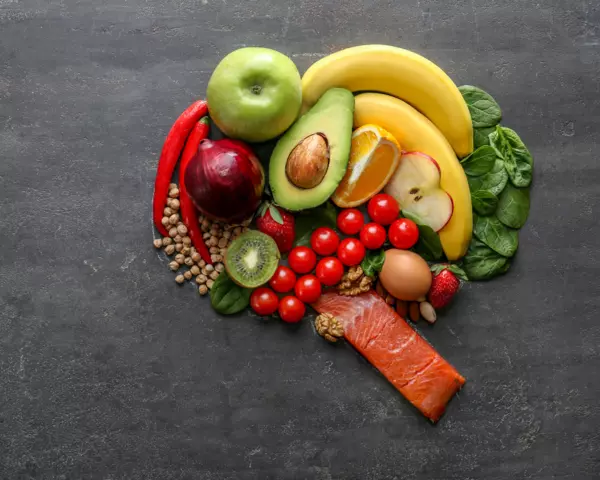
Foods that make you happy often contain tryptophan, omega-3 fatty acids, flavonoids or other mood‑boosting nutrients. Tryptophan is an essential amino acid and the building block for serotonin production in the brain. Foods rich in tryptophan—such as nuts, seeds, legumes or dairy—can support well-being when combined appropriately.
Besides tryptophan, there are other mood‑enhancing components. Omega‑3 fatty acids, found mainly in fatty fish like salmon, mackerel or herring, support brain function and are closely linked to serotonin production. Secondary plant compounds such as flavonoids, present in berries, also have a positive effect on mood, even if the precise mechanisms still require more research.
Certain foods also lift mood in other ways. Spicy dishes like chili trigger pain signals in the brain via the active compound capsaicin, leading to the release of endorphins. These create a short‑term feeling of happiness. Ginger and dark chocolate act similarly, the latter often improving mood through psychological associations of pleasure and positive memories.
Other happy‑food candidates include bananas, which—besides tryptophan—provide several vitamins and magnesium, which is relaxing and muscle‑relaxing. Dates promote better sleep due to their high tryptophan content and are a healthy alternative to sweets. Foods like avocados, rich in healthy fats, also contribute to balanced hormone regulation.
Does modern nutrition lead to mood disturbances?
Yes, modern nutrition can contribute to mood disturbances, especially when it is unbalanced or nutrient‑poor. A lack of important micronutrients such as B vitamins, magnesium and zinc can impair nervous system function and lead to mood swings. Many of these nutrients are involved in the production and metabolism of neurotransmitters that influence our mood.
Another factor is the link between diet and inflammation in the body. An unhealthy, pro‑inflammatory diet can negatively affect mood, since inflammatory processes in the body have been associated with the onset and course of depression and other mental disorders. In particular, sugar‑ and fat‑rich as well as processed foods can worsen mood by promoting inflammation and disturbing the natural balance of hormones and signalling molecules.
The so‑called gut‑brain axis also plays an important role. An imbalanced microbiome in the gut, promoted by an unhealthy diet, can affect the psyche through nerve pathways. Poor nutrition can therefore not only deteriorate physical condition but also impair mental health and lead to mood disturbances.
Does happy food help against autumn and winter blues?
Yes, happy food can be an effective means against autumn and winter blues. The cold, dark months are often a challenge for mood, as reduced sunlight and grey weather can lead to seasonal depression. Fortunately, diet has a positive influence on our mood that can be reinforced by so‑called “Happy Foods".
The autumn and winter blues can be alleviated by a balanced, nutrient- and vitamin‑rich diet. Vitamins C and D are particularly valuable: they not only support the immune system but also help lift mood. Vitamin C combats fatigue and stabilises the nervous system, vitamin D compensates for deficiencies often associated with low mood. Omega‑3 fatty acids from fatty fish act anti‑inflammatorily and support brain chemistry.
Moreover, our microbiome plays a major role in regulating our emotions. The gut as a “second brain" has a direct influence on our emotional well‑being. A balanced diet with plenty of vegetables, whole grains, legumes and healthy fats can restore gut flora balance and thus also support emotional equilibrium.
Why do some foods act like mood enhancers?
Certain foods can positively influence our mood by stimulating the production of chemicals in the brain that increase our sense of well‑being. These foods contain specific nutrients that support communication between nerve cells and can give us a sense of joy and balance. Substances such as vitamins, minerals and amino acids are particularly important because they improve the function of the brain’s chemical messengers, the neurotransmitters.
How to eat yourself happy: practical tips
- Have your meals with family, friends or colleagues. Eating together fosters empathy, relaxation and enjoyment, contributing to a happier life experience.
- Enjoy spicy food. Season dishes with chili, Tabasco or ginger. The mild pain reaction from spiciness causes the body to release endorphins, which lift mood and can even produce small euphoric moments.
- Present your food attractively. Bold colours, interesting textures and a nice presentation increase not only enjoyment but also positive feelings.
- Don’t always forgo treats. Reward yourself occasionally with small indulgences to avoid frustration and bad mood.
- Use nutrition guides to find recipes that include products like walnuts, almonds or dark chocolate, which can promote cheerfulness and happiness.
- Take time for your meals, chew each bite mindfully and avoid distractions like TV or your phone. This mindful eating supports your health.
- Include tryptophan‑rich foods in your meal plan. These include fish, soy, cheese or nuts. Combine them with carbohydrates like potatoes or bread to promote production of the mood‑boosting serotonin.
- Use mood‑lifting spices. Season your food with pepper, vanilla or cardamom. These harmonise and enliven at the same time and contribute to an overall pleasant eating experience.
- Prepare light evening meals. Avoid greasy or gas‑forming dishes. A steamed fish dish or an aromatic salad promotes restful sleep.
- Listen to your body’s signals. Eat when you are hungry or tired. Fixed meal times are not suitable for everyone. Let your body dictate the rhythm.
“Happy Foods” can be a simple but effective way to boost overall well‑being and lift mood. Those who consciously choose these foods pamper not only their body but also their soul.