
Energy-giving foods
This is your power source for every day
editorial.overview
What are energy-rich foods?
Energy-rich foods are essential for our daily energy supply and directly affect our performance and mood throughout the day. Unlike short-lived energy boosts from coffee or energy drinks, they provide a sustained source of energy.
It is important to know, however, that energy-rich foods are not necessarily high in calories. Instead, focus should be on a balanced diet rich in essential nutrients such as protein, healthy fats, complex carbohydrates, vitamins and minerals. Such a diet not only provides energy but also promotes long-term health and well-being.
Which foods give our body energy?
Foods that provide energy to our body are diverse and can help overcome the afternoon slump and boost performance for the rest of the day.
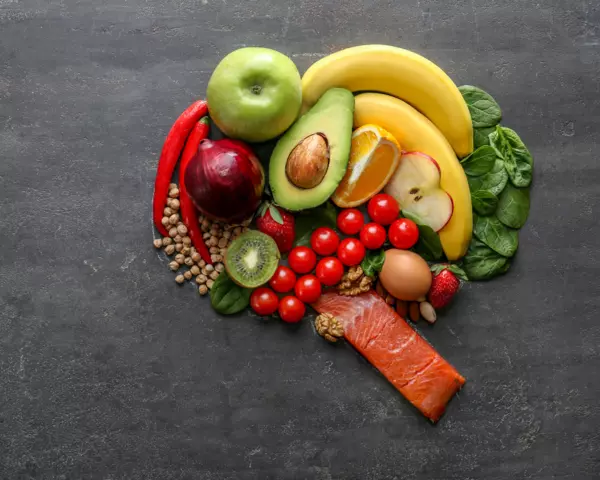
Avocado is a true energy booster, rich in vitamins and nutrients like vitamin B1, B6, E, folate, potassium and magnesium. Bananas are also quickly available energy sources due to their high magnesium content. Blueberries are known for their high antioxidant content, which can enhance mental performance and support cardiovascular health. Beans contain vitamin B1, which is important for carbohydrate metabolism and supports nerve function.
Eggs are high in protein and contain important vitamins and minerals that support many bodily functions, including energy production. Goji berries also provide many vitamins and antioxidants and are regarded as a superfood for their various health benefits. Green tea and coffee contain caffeine, which can increase brain activity and alertness. Nuts are rich in unsaturated fats and can be a good source of long-lasting energy.
Other energy-providing foods include yogurt, watermelon, cherry juice, beetroot, sweet potatoes and broccoli. A balanced diet with plenty of fruit, vegetables, whole grains, lean protein and healthy fats is needed to keep energy levels stable throughout the day.


Which carbohydrates provide long-lasting energy?
For sustained energy, complex carbohydrates are the best choice. These are found in foods such as whole grains and many vegetables. Because of their high fiber content, carbohydrates are converted slowly into simple sugars that provide energy, supplying the body continuously for many hours.
By contrast, simple carbohydrates, as found in refined products and sugary foods, are more of a short-term energy source. They are used up quickly and can lead to cravings, as they cause blood sugar to rise and fall rapidly. They should therefore be combined with long-chain carbohydrates to ensure steady energy supply.
Why is gluten-free energy important?
For people with a gluten intolerance, finding suitable energy-rich foods can be a challenge. The importance of a balanced, gluten-free diet is often underestimated, but it is highly significant.
Gluten, a protein found in wheat, barley and rye, can trigger digestive problems and inflammation in people with coeliac disease or gluten intolerance. These can in turn impair nutrient absorption and energy production, underlining the importance of a targeted gluten-free diet to maintain adequate energy levels.
Which gluten-free foods provide long-lasting energy?
Energy-rich gluten-free fruits such as bananas, apples and berries supply quickly available energy. Gluten-free grains like quinoa, millet and buckwheat are rich in carbohydrates and fibre and provide lasting satiety. Nutrient-dense nuts and seeds like almonds, walnuts, chia and flaxseeds are gluten-free alternatives that are high in valuable fatty acids, protein and fibre.
How much energy does a person need?
The human energy requirement varies depending on the resting state and physical activity. Even in deep sleep, the body requires a considerable amount of energy to maintain vital functions and normal body temperature, known as the basal metabolic rate.
One way to calculate the basal metabolic rate is to use formulas that consider body weight and sex. For example, the basal metabolic rate is approximately 0.9 kcal/kg body weight/hour for women and about 1 kcal/kg body weight/hour for men. This means a woman weighing 65 kg needs about 58.5 kcal per hour or 1'404 kcal per day, while a man of 75 kg expends about 75 kcal per hour or 1'800 kcal per day.
These calculations are estimates and can vary depending on individual factors such as age, sex, muscle mass and physical activity.
How to naturally increase your energy: effective tips
- Follow the “5 a day” rule: two handfuls of fruit and three handfuls of vegetables per day.
- Vary your vegetable and fruit intake to optimise your gut flora and strengthen your immune system.
- Avoid shopping hungry to make more conscious choices and buy less.
- Discover the secret of chia seeds and stir them into your yogurt or smoothie for long-lasting energy.
- Experiment with matcha tea, an energising alternative to coffee to start the day full of energy.
- Enjoy the natural sweetness of dates as a healthy snack that also provides energy.
- Discover the invigorating effect of ginger by grating fresh ginger into your tea or water.
- Try chickpeas as a versatile ingredient in soups, salads or as a crunchy energy snack.
- Start the day with an energy boost from a green smoothie made with spinach, ginger and a pinch of turmeric.
- Replace your usual potato chips with crispy beetroot chips for a healthy, energy-rich snack alternative.
- Experience the refreshing effect of watermelon and cucumber in a revitalising smoothie that energises and refreshes you.
- Drink a cup of hot lemon water in the morning to kick-start your metabolism and boost your energy.
- Enjoy your meals mindfully and make sure to supply your body with high-quality nutrients.
Without energy-rich foods our daily performance would be severely limited and our bodies could not function optimally. They provide long-lasting energy and support our bodies with important nutrients. A balanced diet including these foods promotes not only our energy but also our long-term health.