
Brittle fingernails
When your fingernails send signals
editorial.overview
Brittle nails – just a cosmetic issue?
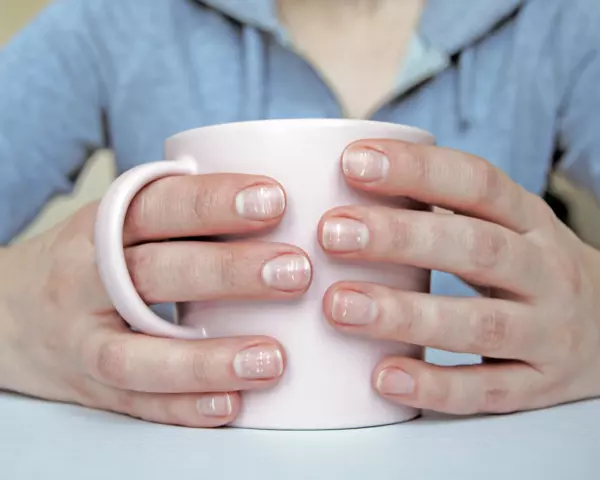
Brittle nails, ridges and other changes are often a sign that the nails are exposed to everyday stresses and sometimes internal disturbances.
In principle, the nail plate consists of thin layers of horny cells that contain keratin and provide strength. Regular contact with water, cleaning agents or nail polish removers can, however, attack the horny substance, strip away moisture and lead to dry, splitting and cracked nails.
In addition to external influences, genetic predispositions and health problems such as skin conditions (e.g. nail psoriasis or eczema), chronic polyarthritis or thyroid disorders can be responsible for brittle nails.
Nutritional status also plays an important role. A deficiency in vitamin B12, vitamin C, biotin or essential trace elements such as zinc and iron can weaken nail growth and make nails brittle. In such cases a blood test can provide clarity if a nutrient deficiency is suspected.
To prevent nail brittleness and support nail health, it is therefore advisable, in addition to daily nail care, to pay attention to a balanced diet and, if necessary, adopt protective measures such as wearing gloves when working with aggressive substances.
Causes: why do nails become brittle?
The causes of brittle nails are varied and can be divided into external and internal factors. Among the external factors, care habits play an important role. Improper manicure or pedicure, e.g. cutting nails with nail clippers, can cause fine cracks in the nail structure.
Contact with chemical cleaning agents, soaps or aggressive nail polish removers without hand protection dries out nails and hands and damages the nail structure.
Frequent hand-washing and the use of disinfectants also strip moisture from the nails and make them brittle. Artificial nails and gel polishes are also problematic because they attack the natural nail layer, making it soft and brittle, and increase the risk of infections from bacteria and fungi that can settle in the spaces between natural and artificial nails.
Another factor is the cold in winter. The alternation between warm indoor rooms and cold outdoor air removes moisture from the nails and weakens their structure.
Internal factors often include deficiencies in nutrients such as vitamins (A, B, C), minerals (calcium, zinc) and iron. Such deficiencies make nails brittle. Iron deficiency in particular can, in addition to fatigue and dry skin, lead to brittle nails. Hormonal changes, e.g. during pregnancy or the menopause, also weaken nail structure because oestrogen levels fall, affecting nail growth and strength.
Various diseases such as thyroid disorders (hypothyroidism or hypoparathyroidism) directly affect nail growth and lead to visible nail changes, as do nail fungus or psoriasis, which cause thickening, discolouration and brittleness.
Age also plays a role. Over time, cell regeneration slows down, making nails thinner and more brittle. In addition, certain medications, particularly antibiotics, antiepileptics or chemotherapy drugs, can weaken nails because they inhibit cell growth and cause deficiencies.
Stopping brittle nails – can the right diet help?
A healthy diet is important to have firm nails and to keep them strong and resilient. Our nails are composed of keratin, a protein that can be weakened by a lack of essential nutrients. Among the common causes of brittle nails are deficiencies in vitamin A, zinc, iron and biotin – minerals and vitamins that are important not only for strong nails but also for healthy hair and radiant skin.
Vitamin A is an important factor for nail development as it supports their growth and structure. A deficiency in vitamin A quickly leads to brittle and soft nails. It is found in animal products such as fish, eggs and dairy, but also in vegetables such as carrots, peppers and spinach, which are rich in beta-carotene, a precursor of vitamin A.
Zinc is also essential. Meat, seafood, legumes, whole grains and nuts are particularly rich in zinc, which contributes to the formation of new nail proteins and thus promotes the growth of healthy nails. In acute cases a zinc supplement can also help.
Protein is another building block, as nails are largely made of protein. Protein-rich foods such as meat, fish, dairy and tofu can promote nail growth. Studies have shown that with increased protein intake fingernails today can grow up to 25% faster than a few decades ago.
Calcium, often associated with nail health, seems to play a less central role in nail growth. Nevertheless, it supports overall stability and strength, which is why an adequate intake from dairy products or calcium-rich mineral water is sensible.
Biotin, also called vitamin B7 or vitamin H, is considered particularly important for healthy nails. It promotes nail growth and can reduce brittle areas. Biotin-rich foods such as egg yolk, oats, spinach and nuts help strengthen nails from within.
An adequate intake of fluids is also crucial – lack of fluids quickly leads to dry and brittle nails. Drinking up to three litres of water a day provides the necessary moisture so that nails remain elastic and healthy.
Brittle nails and nail polish: do they go together?
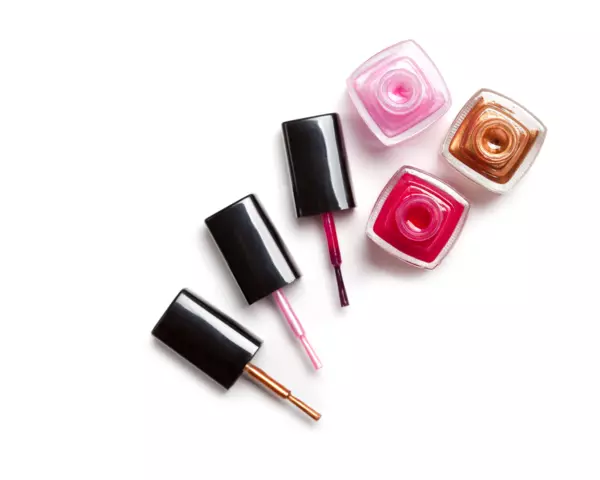
The answer is: only to a limited extent. Nail polish can strain the structure of the nails, especially if they are already weak and brittle. The chemical ingredients of polishes, often enriched with substances such as formaldehyde, remove moisture from the nails and make them even more brittle.
There are admittedly "gentler" water-based variants, but they usually offer less durability and shine than conventional products. If you value a long-lasting, professional result, you have to accept the additional strain on the nails.
A common misconception is that nails need to "breathe". In fact, the nail consists of horny tissue that does not need "breathing breaks". Nevertheless, frequent polishing without breaks can further burden brittle nails, which may become apparent through cracks or discolouration.
In such cases regular breaks from polish are sensible to give the nail time to recover. The length of breaks depends on the individual reaction of the nail, so it is advisable to observe the nail's response to the polish closely.
There is also much to consider when choosing a remover. Contrary to popular belief, an acetone-free remover is not necessarily gentler, as it has to act longer on the nails and thus exposes them to chemical stress for a longer time. Acetone-containing removers work faster, and subsequent care with natural oils helps to strengthen the nails.
Brittle nails: when should you see a doctor?
In most cases they are not a cause for concern and are often the result of external influences or small nutrient deficiencies. However, if brittle nails persist despite good care and a balanced diet, a visit to the doctor may be advisable.
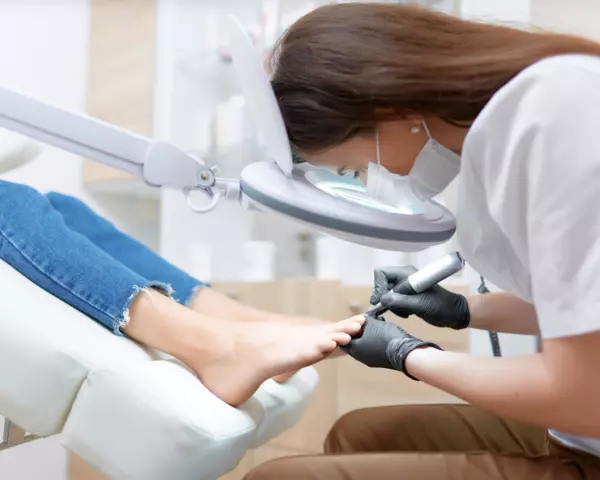
A dermatologist can, by means of a thorough examination often supplemented by a blood test, determine whether a nutrient deficiency such as iron or zinc deficiency is the cause. Such deficiencies can be corrected by targeted dietary changes or, if necessary, by dietary supplements – but only under medical supervision to avoid overdosing.
With persistent problems, conditions such as nail fungus, thyroid problems, hormonal disorders or skin diseases may also play a role. In such cases the doctor can initiate appropriate treatment and thus address the cause directly. If you are unsure or notice that nails remain unusually brittle despite persistent complaints, you should consult a doctor – often a simple examination is enough to provide clarity.
Which home remedies can help strengthen brittle nails?
With some tried-and-tested home remedies that are easy to apply in everyday life, nails can be strengthened. Lemon juice is one such remedy. Lemon not only acts as a cleanser and slight brightener but also strengthens brittle and cracked nails. Applied twice a week, lemon juice can make nails more resilient.
Olive oil is also excellent for caring for and strengthening nails. Its nourishing properties help to moisturise dry nails and surrounding cuticles and keep them supple. Simply massage a few drops of olive oil gently into the nails in the evening and rinse after five minutes to avoid stains on clothing.
Another time-honoured remedy is brewer's yeast, which our grandmothers used. It strengthens nails, skin and hair with valuable nutrients. A three-month course, for example in the form of brewer's yeast tablets or flakes, can work wonders. These flakes can be easily mixed into meals and consumed daily.
These home remedies are somewhat time-consuming but, with regular use, offer a natural and gentle way to strengthen brittle nails.
Brittle nails: how to make them healthy and resilient again
- Always wear gloves when washing up and cleaning. The protective layer preserves the nails from aggressive chemicals and drying out due to constant contact with water, effectively preventing nail breakage.
- Trim your nails with a glass or emery file instead of scissors or clippers. Filing is gentler because it smooths the nail without causing cracks. This keeps your nails more elastic and less likely to tear.
- Moisturise your nails and hands after every contact with water with a re-lipidising cream, especially in winter. This helps to retain moisture in the nail plate and protects the skin from drying out due to heating air.
- Massage your nails every evening with a few drops of olive oil. The oil supplies moisture to the nails and keeps the cuticle soft and elastic. After the massage, leave it on for about five minutes.
- Shorter nails break less often and are less prone to cracks and splinters. For sensitive nails it is advisable to keep them slightly shorter.
- A balanced diet is crucial for nail health. Nutrients such as biotin, vitamin A and zinc support nail growth and strength. If necessary, supplement your diet with dietary supplements, but only after consulting a doctor.
- Biotin, often known as the "beauty vitamin", promotes nail growth and provides firmer nails. Take biotin as a course over several months to allow its effects to fully develop.
- Nourishing nail oils, such as almond or jojoba oil, help keep the cuticle soft and the nails elastic. These oils can also be applied to the nail bed to nourish the entire nail.
- Gel and acrylic nails attack the natural nail plate and can make nails brittle. Avoid artificial nails for a while so your nails can regenerate.
- Always file in one direction to reduce the risk of splitting and breaking. Back-and-forth movements stress the nail edge unnecessarily.
- A hand bath with warm olive or tea tree oil intensely cares for nails and cuticles. Let your nails soak in it for about 10 minutes to supply moisture and important nutrients.
- Do not cut the cuticles, but push them back gently. They form a protective barrier that prevents bacteria and fungi from entering and thus helps to prevent infections.
- Drink at least 1.5 litres of water daily. Adequate fluid intake is important so that nails do not become brittle and retain their natural elasticity.
- When applying polish, always use a nourishing base coat with calcium or silica. This strengthens the nails and protects them from harmful substances in the nail polish.
Brittle nails are more than just an aesthetic problem – they can also point to deeper health causes that should not be overlooked. A conscious look at your nail health can alert you early to deficiencies or even more serious conditions. Therefore it is worthwhile to integrate both proper care and a balanced diet into everyday life to strengthen nails from the inside out.