

Ingrown toenail
Ouch – this can really hurt your feet
editorial.overview
What are ingrown nails?
An ingrown nail, medically called Unguis incarnatus or Onychocryptosis, occurs when the nail grows into the surrounding skin on its side. This problem is especially common on the big toe. Pressure from the nail on the tissue leads to inflammation, which shows as redness, swelling and pain. At the same time there may be increased blood flow and sensitivity in the affected area.
In some cases so‑called granulation tissue forms and may spread over the nail. This tissue looks grainy and is a sign of advanced inflammation. If germs enter the open wound, there is a risk of infection. This can present as weeping or pus‑filled areas that may smell unpleasant. The discomfort can be so severe that even light pressure, for example from shoes or bedding, is highly unpleasant for the person affected.
What are the most common causes of an ingrown toenail?
Ingrown toenails occur when the nail edge penetrates the surrounding skin and injures it. This can be caused by various factors. One of the most common causes is incorrect nail cutting, especially when nails are cut too short or rounded. This increases the risk of the nail growing into the surrounding tissue. Injuries such as trauma or a broken nail can also change the shape of the nail and promote the problem.
Shoes are also an important factor: shoes that are too tight or high heels press on the nails and increase the likelihood that they will grow into the tissue. Constant moisture from sweaty feet softens the skin and favours the process. Anatomical features such as very curved nails (so‑called rolled nails) can be hereditary and also increase the risk.
Certain conditions such as diabetes, heart or kidney failure can lead to fluid retention in the feet, making ingrown nails more likely. Taking some cancer medications can also affect nail structure. People who regularly do activities that place stress on the feet, such as running or playing football, put additional pressure on their feet, which is also a risk factor.
Does an ingrown toenail need to be removed?
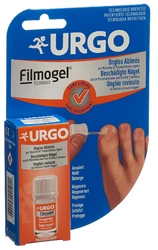
Removal of an ingrown nail is in most cases not necessarily required. With mild symptoms such as a slight inflammation, conservative methods may be sufficient. These include special liniments, dressings or the use of nail braces that gently lift the nail and prevent the problem.
With more severe symptoms such as persistent pain, pus formation or chronic inflammation, a surgical procedure may be necessary. Usually only part of the nail is removed to relieve the surrounding inflamed tissue. Thanks to modern treatment methods such as nail brace therapy, many cases can avoid an invasive procedure. In any case, if symptoms persist a doctor should be consulted to determine the appropriate therapy.
Ingrown toenail: when to see a doctor and which one?
For an ingrown toenail the timing and choice of the appropriate contact depend on the severity of symptoms. Initially you can see your general practitioner, especially if there are other health issues such as diabetes. Diabetics are often at higher risk due to reduced foot sensitivity and may need specially adapted care.
For milder cases that do not resolve within a few days with home remedies like creams or plasters, a visit to a podiatrist is recommended. Podiatrists are foot care specialists who offer preventive and therapeutic measures. They can often help with ingrown nails and also provide corrective measures such as nail braces.
For serious problems such as severe inflammation, ongoing pain or pus formation, a foot surgeon should be consulted. They can perform surgical treatment if conservative methods are insufficient. A timely visit often prevents worsening and enables targeted therapy.
How does a podiatrist help with ingrown toenails?
The podiatrist treats ingrown nails with specialised techniques and tools to relieve pain and prevent recurrence. A commonly used method is the application of nail correction braces. These are individually fitted and attached under the lateral nail edges. The gentle pressure of the brace lifts the nail slightly, which eases the pain and guides the nail growth in a normal direction.
For sensitive nails or severe inflammation, alternative braces, e.g. adhesive braces made of plastic, can be used. These offer a gentler option when metal braces are uncomfortable. Regardless of the material, braces must be adjusted or replaced regularly, roughly every two to six weeks, to maintain their effect.
If conservative treatment does not bring sufficient improvement or genetic factors play a role, the podiatrist may recommend an operation. Part of the nail and possibly inflamed tissue are removed. By cauterising part of the nail root, regrowth at that site is permanently prevented so the nail becomes narrower and no longer grows into the surrounding tissue.
How can you prevent an ingrown toenail?
Ingrown toenails can be largely prevented by careful foot care and observing certain measures. A central role is played by correct nail cutting. Nails should always be cut straight across, without rounding the corners, and not too short so the nail edges can rest freely on the skin. Rounding the corners increases the risk of the nail growing into the surrounding tissue.
The choice of shoes also has a big impact. Shoes that provide enough space for the toes prevent pressure on the nail edges. Breathable materials can help reduce sweating and thus the risk of infection. Regular foot hygiene is also important to keep bacteria or fungi away that can promote inflammation.
In situations where there is an increased risk of toe injuries, e.g. during physical work, protective footwear provides additional protection against mechanical stress. These measures can significantly reduce the risk of ingrown toenails.
Treating ingrown nails yourself: practical tips
- Take a warm foot soak. Fill a bowl with warm water and add soap or Epsom salts. Soak the affected foot for 15–20 minutes to reduce swelling and soften the skin. Repeat this procedure 2–3 times daily.
- After the foot bath, clean the toe thoroughly with antiseptic solutions such as PVP‑iodine or octenidine to prevent infection.
- Be sure to dry the foot completely after the bath, especially between the toes. This protects the skin from further irritation.
- After the foot care bath, carefully place a small piece of sterile cotton or dental floss under the nail edge with a clean instrument to help the nail grow out. Change the cotton daily.
- Apply a thin layer of an anti‑inflammatory ointment to the affected area. Avoid applying too much ointment to prevent tissue softening.
- Tea tree oil helps reduce swelling. Dilute tea tree oil with a carrier oil such as coconut oil and apply the mixture 2 to 3 times daily to the affected area. This helps prevent infection.
- Prepare a foot soak from equal parts apple cider vinegar and water. Soak your foot for 15 to 20 minutes to soothe inflammation and kill bacteria.
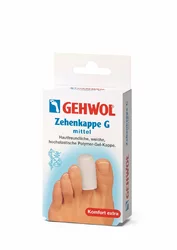
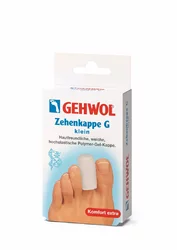
- Protect the nail with a cushion. A foam or silicone wedge should be used between the toes as a spacer. Fix it with a gauze bandage to avoid pressure on the nail.
- Make sure adjacent toes do not press against the inflamed area. This eases the pain and promotes healing.
- Add Epsom salts to the foot bath to relieve pain and reduce swelling. This measure is particularly useful to support healing.
- If swelling increases or pus is discharged, see a doctor immediately. If left untreated, an ingrown nail can lead to severe infections.
An ingrown toenail can usually be prevented or quickly relieved with proper care and timely treatment. Take care of your feet to prevent pain and complications.