Calf cramps
How to get rid of these hellish pains
What are calf cramps?
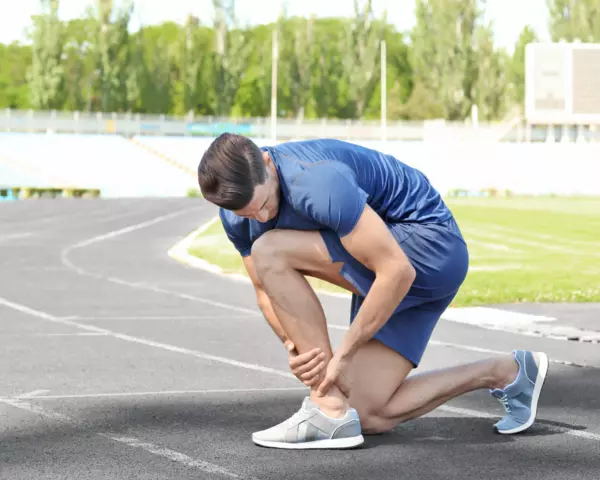
Calf cramps occur when individual muscles or whole muscle groups in the legs suddenly contract forcefully and then do not release. This is felt as a stabbing pain in the calf, but it is not only painful — the muscles also become very hard. You can even feel with your hands how they tense up. The painful episode usually lasts from a few seconds to a few minutes. The cramp stops by itself or subsides when the muscles are stretched or massaged. Sometimes calf cramps can also spread to the foot and toes.
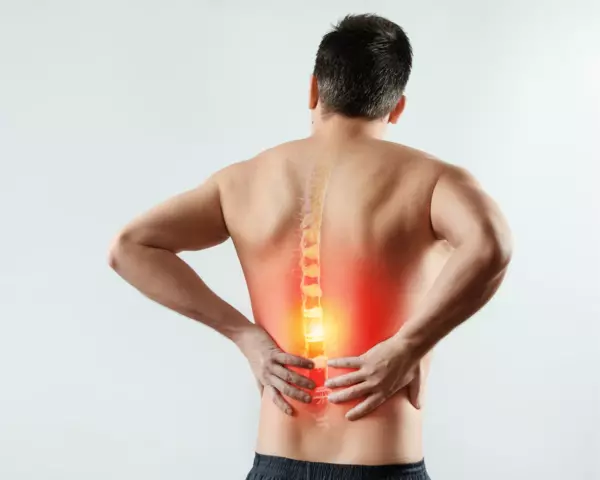
Calf cramps typically occur on one side and often at night during sleep. These nocturnal cramps can be so severe that they disturb sleep. Even when the intense pain eases as the muscles relax, muscle soreness and tightness similar to delayed‑onset muscle soreness can persist for some time, especially after particularly strong calf cramps.
What causes calf cramps?
Three types of calf cramps are distinguished. Paraphysiological cramps are often caused by an imbalance in electrolytes. They can occur from time to time during pregnancy or after physical exertion. A deficiency of salts such as magnesium or sodium alters the excitability of muscle fibres and leads to uncontrollable cramps. Dehydration is a common triggering factor, particularly with diarrhoea, vomiting, diabetes insipidus, inflammatory bowel disease, heavy sweating or insufficient fluid intake.
The cause of idiopathic cramps is unknown. Some people may have inherited them from their parents or the cause could be an as‑yet undetected disease such as diabetes. Various disorders of the nervous system, heart, muscles or metabolism can cause symptomatic cramps. Poisoning or side effects of medications can also trigger cramps.

What role do electrolytes and dehydration play in calf cramps?
Changes in the hormonal metabolism are often responsible for calf cramps. In diabetes mellitus, electrolyte disturbances caused by frequent urination and later nerve damage (polyneuropathy) can lead to calf cramps. Hypothyroidism can occasionally cause nocturnal muscle cramps.
The parathyroid glands play a crucial role in the body's calcium balance, so diseases of these glands can lead to increased muscle excitability. Disorders of the adrenal cortex can also cause muscle cramps, since adrenal hormones are important for regulating water and mineral balance. Kidney weakness, which affects fluid regulation, can also cause cramps.
How do lifestyle and physical factors influence calf cramps?
Overuse or improper loading of certain muscles due to joint problems, one‑sided postures, foot deformities such as flat or high arches and swimming in cold water can play a role in calf cramps. Poorly fitting shoes are often to blame: for example, shoes that are too tight and force the foot into an unhealthy position for hours can cause a reaction that spreads from the heel into the calf. Calf cramps can also occur when sleeping with the foot over‑extended, e.g. if the duvet is too tight at the foot of the bed, or when lying uncomfortably, for example on an unsuitable mattress.
Like all muscles in the body, the powerful calf muscle needs regular movement and stretching to stay healthy. If this is lacking, it easily becomes stressed. For example, when we sit for many hours a day with thighs and lower legs held at a 90‑degree angle, the associated fascias and muscle fibres gradually adapt to this unbalanced movement pattern. They become stiff and inflexible. This sooner or later results in abnormally high tension in the calf muscles.
The increased susceptibility to muscle cramps with age is due to overall muscle shortening. Older people also tend to drink too little, which can disturb fluid and mineral balance and promote muscle cramps. A study shows that people aged 60 to 86 who drink alcohol at least once a week suffer from nocturnal calf cramps more than six times as often as those who do not drink alcohol.
Help for a sudden cramp: tried and tested tips
- With a sudden calf cramp, an immediate stretch of the lower‑leg muscles can end the cramp. Pull the toes upward while pressing the heel firmly into the floor.
- In addition to stretching, gentle massage — ideally with a warm, damp towel — helps with muscle cramps. This loosens the cramped muscle and improves local blood flow, which helps the muscle relax.
- If a calf cramp occurs during sport, stretch the lower leg while standing, gently massage the calf, walk a few steps after the cramp and take a short break from training. In cold weather, wear warm socks and long trousers. It is also important to maintain a balanced electrolyte level.
- If a calf cramp occurs in the water, it is important to stay calm. Try to swim in a controlled manner to the shore. If the cramp is too severe, you can also attempt to stretch it while in the water. Avoid panic to ensure your safety in the water.
- Avoid abrupt changes from hot to cold. After overheating, jumping straight into cold water is not advisable, especially in summer.
- For nocturnal calf cramps in bed, while lying down pull the toes up towards the knee and move the heel away from the body. At the same time, a gentle massage of the calf can help. Getting up and walking slowly often relieves the cramp.
- Many people find heat helpful for nocturnal calf cramps. A short foot or calf shower is best. In some cases cold can also help relieve cramps. Cold compresses on the tense muscle are recommended in such situations.
- When electrolyte and fluid balance are disturbed, sufferers are generally advised to drink adequately and follow a balanced diet. Prefer foods rich in minerals such as magnesium, calcium or sodium. In severe diarrhoea, an oral rehydration solution can help.
- Vitamin D or calcium may be prescribed if the doctor diagnoses hypoparathyroidism. Physiotherapy measures are often helpful for cramps due to muscle disorders. Drugs that improve circulation frequently lead to improvement in nervous system disorders.
- Since a deficiency of mineral salts is one of the most common causes of cramps, it is advisable — especially after sport or sauna — to consume isotonic, electrolyte‑containing drinks. This can be a non‑alcoholic beer or a glass of orange juice with a pinch of salt. Taking magnesium in powder or effervescent tablet form can also help prevent cramps. Magnesium is also recommended for pregnancy‑related cramps.
- Include magnesium‑rich foods in your daily diet. Foods particularly high in magnesium are green leafy vegetables, whole grains, legumes, seeds, fish and seafood. Smaller amounts of magnesium are found in bananas, potatoes, dairy and meat products.
- In older people, stretching for three minutes before bedtime can also help against nocturnal calf cramps.
- Choose comfortable shoes. They should fit well and not pinch.
- Ensure regular physical activity. To keep muscles fit and prevent shortening, perform targeted stretches several times a week. Regular foot exercises and light sports such as walking, cycling and swimming can help train shortened or tense muscles. Yoga and other movement practices are also supportive.
- Stress can, over time, lead to waste deposits in the tissue and tiny adhesions in the fascial tissue. This becomes brittle, making the muscle‑fascial network in your leg inflexible and increasing tension. You can break this negative cycle with fascial rolling massage. By applying targeted pressure you massage the tissue, promote blood flow and help repair tangled fascial strands.
- Vitamin B1 is important for nerve‑to‑muscle signal transmission and is found mainly in foods such as whole grains, meat or legumes. Vitamin B6 is involved in energy metabolism and muscle contraction; it is found for example in avocados, salmon or potatoes. The body also needs calcium, which is absorbed with the help of vitamin D; a deficiency can promote muscle cramps. Good sources of calcium are dairy products and green vegetables like broccoli.
- Calf cramps often have harmless causes. Nevertheless, see a doctor if the painful cramps occur very frequently, disturb sleep, are noticeable during the day, or do not disappear despite stretching or gentle massage. A medical visit is also advised if additional symptoms such as numbness, tingling or movement restrictions occur.
With these tips and tricks you can manage bothersome calf cramps yourself very well!