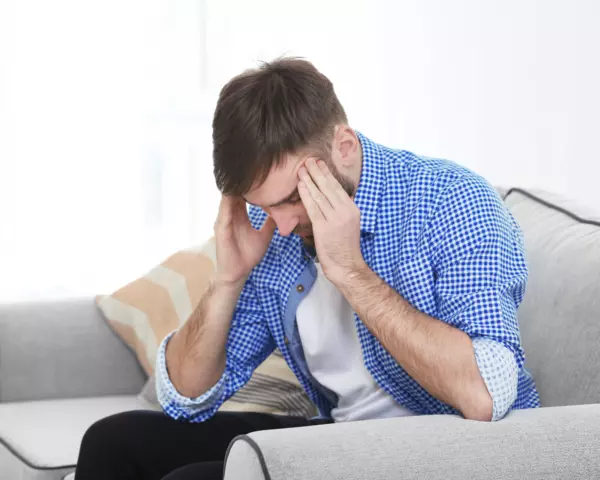
Back pain
Movement helps against these pains
editorial.overview
Where can back pain occur?
Back pain is a very common problem that affects people of all ages. It presents as pain in the back area, ranging from the upper back to the buttocks. In everyday language people often refer to pain in the lower back, also called lumbar pain. This occurs below the ribs and involves the lumbar spine, the sacrum and the coccyx.
Back pain can have specific causes located in the back itself or in other parts of the body. However, the exact cause often remains unclear, and the pain is therefore classified as non‑specific back pain.
What are possible causes of back pain?
Back pain can be influenced or triggered by various factors. When no clear cause can be identified, the condition is described as non‑specific back pain. These include lack of physical activity and a weak core musculature, muscle tension from improper loading, prolonged sitting or repetitive unilateral physical work. Psychological stresses such as stress, financial or family worries, and changes in the perception of pain within the central nervous system also play a role.
There are also specific causes of back pain such as diseases of the spine, e.g. narrowing of the spinal canal, vertebral slippage, acute disc herniation. This group also includes disc degeneration, facet joint osteoarthritis, scoliosis, vertebral fractures due to osteoporosis. It is important to note that back pain is rarely a sign of a serious injury or illness.
How do acute and chronic back pain differ?
Acute back pain often has harmless causes such as a wrong movement. It can be very painful and make standing, sitting and lying down difficult. Relaxation techniques such as positioning with the legs elevated, medication, massages, heat or cold applications and physiotherapy help to loosen cramped muscles.
There are various triggers for acute back pain, for example a pinched sciatic nerve or a disc herniation. Self‑help exercises provide short‑term relief; for severe pain professional therapy is advisable.
Duration is what distinguishes acute from chronic back pain. Pain lasting up to six weeks is considered acute. Pain that persists longer is classed as chronic. Only about 10% of acute back pain becomes chronic. Chronic back pain can be caused by a range of factors such as overload or psychological stress.
Osteoarthritis of the musculoskeletal system can contribute to chronic back pain. Joint wear cannot be completely prevented, but weight loss and avoiding improper loading can improve pain outcomes.
Poor posture, often combined with foot problems, can also cause back pain. Insoles can correct posture, but in the long term it is important to strengthen the foot and skeletal musculature.

Why do people have lower back pain in early pregnancy?
In early pregnancy lower back pain is rather uncommon. While in later weeks of pregnancy the growing abdomen and the loosening of connective tissues more frequently lead to back problems, other causes may be present in the first weeks. A rapidly growing uterus or an unusual backward tilt of the uterus can be possible causes.
Back pain in early pregnancy can also be a sign of more serious issues such as a miscarriage, an ectopic pregnancy or a kidney disease. It is therefore recommended to consult a doctor if you experience back pain in early pregnancy.
Why is movement so helpful for back pain?
The recommendation to remain physically active when you have back pain is well founded. Studies show that regular physical activity can reduce pain. It is important to continue with normal daily activities despite the pain, in order not to worsen the symptoms. Movement therapies such as Pilates, tai chi and yoga, as well as exercises to strengthen the core muscles, have proven particularly effective.
Although movement therapies do not always completely eliminate back pain, they improve overall fitness and mobility. Regular physical activity can also significantly reduce the frequency of pain episodes.
When should you see a doctor for back pain?
Back pain can severely affect daily life, but in most cases it is not dangerous. However, there are signs that make a medical consultation advisable. An appointment is indicated if the back pain occurs suddenly, lasts longer than six weeks, worsens or recurs despite self‑help measures. Certain warning signs such as muscle weakness, sensory disturbances, loss of bladder or bowel control, or severe leg pain with numbness or tingling should be taken seriously.
Medical assessment is also advisable after falls, accidents, in cases of osteoporosis or a history of cancer. A thorough medical history and examination can in such cases indicate serious causes that require further treatment. For back pain it is usually recommended to see the family doctor first, who can refer to a specialist if necessary.
How to cope with back pain: effective tips
- Ensure an ergonomic workstation. Good posture and suitable furniture can help prevent back pain. Adjust your office chair, the screen height and the keyboard position so that you maintain an optimal posture.
- If you have to sit for long periods, take regular breaks to stand up, stretch and change position to avoid tension.
- Train your back muscles. Targeted strengthening exercises for the back, abdominal and pelvic muscles can help improve spinal stability and prevent pain. Pilates, yoga and swimming are good options for targeted back training.
- Relaxation techniques such as meditation, progressive muscle relaxation or breathing exercises can help reduce stress and relax muscles.
- A good sleeping position and suitable mattress and pillows help reduce back pain during sleep. Try different sleeping positions to find which suits you best.
- Wear appropriate footwear to avoid poor posture. Especially during long periods of standing or walking, make sure shoes fit well and provide adequate support.
- Do not lift heavy loads while standing or with a bent back. Bend your knees and keep your back straight to reduce the load.
- Avoid excessive rest, because despite back pain it is important to remain active and maintain normal daily activities to prevent chronicity of the complaints.
- Maintain a balanced diet rich in nutrients that support the health of bones, muscles and joints.
- Monitor your weight, as overweight can place extra strain on the spine and aggravate back pain.
- Consider heat therapy to relax muscles and promote circulation, especially for acute back pain caused by wear‑and‑tear conditions such as osteoarthritis.
- For inflammatory conditions such as sciatica, cold therapy may be considered for pain relief. Use gel or ice packs to slow down pain signal transmission.
- For chronic back pain, massages should be considered. These can be combined with physiotherapy to loosen muscles and relieve pain.
Back pain places a heavy burden on everyday life, but can be minimised or even prevented through a healthy lifestyle, regular exercise and ergonomic measures. Nevertheless, it is important to consult a doctor for persistent or worsening symptoms to discuss individual treatment options and rule out possible more serious causes.