Muscle soreness
What your muscles are trying to tell you
editorial.overview
What is delayed onset muscle soreness (DOMS)?
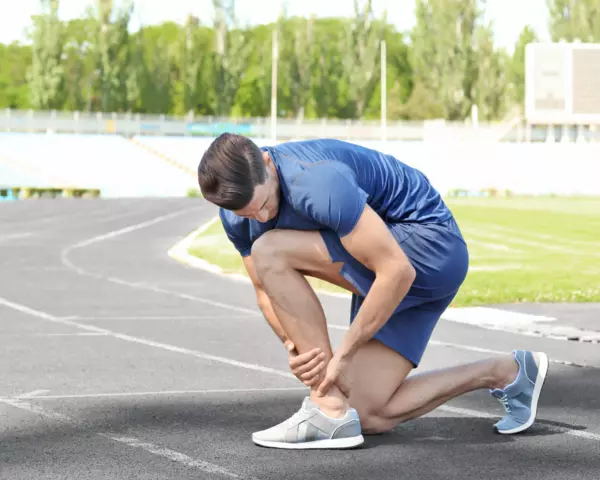
Muscle soreness can be unpleasant and painful, but it does not cause lasting damage. It appears after intense or unfamiliar physical exertion and indicates that the muscles have been overloaded. Pain typically begins within one to two days and resolves on its own within seven days at the latest.
Affected muscles are less mobile and tender to pressure due to the pain. They often feel stiff and hard. People frequently notice a loss of strength in the affected muscle areas.

How does muscle soreness develop in the body?
Muscle soreness is caused by tiny injuries to muscle fibers from overload. Our muscles are made up of functional units called sarcomeres, which are connected by structures known as Z-discs. Under heavy load, micro-tears can occur in these Z-discs.
For example, when we extend the arm, the fibres of the biceps lengthen. When we bend it, they contract again. With excessive training, muscles are overstrained, causing small tears in the fibres. These micro-injuries cause the muscles to swell, become stiff and tender to pressure.
Even with moderate load, muscle damage can occur if muscle coordination is not optimal. New or unfamiliar exercises often trigger soreness because fibres are loaded unevenly and overused, which can also lead to tears.
The pain of muscle soreness only becomes noticeable after one to two days, because the muscle tissue itself contains no pain receptors. Only when inflammatory substances are released during the healing process do they irritate the pain receptors in the surrounding connective tissue.
It was previously thought that lactate accumulation caused muscle soreness. Today we know that lactate only triggers the acute pain during exertion and is quickly broken down.
Which movements cause muscle soreness?
Muscle soreness is often triggered by intense and prolonged loading of a muscle or by unfamiliar movements. For example, after a long break, skiing again or running up a steep hill for the first time will almost inevitably cause soreness. Studies have shown that particularly problematic are unfamiliar braking movements where the working muscle is stretched by external forces — so-called eccentric contractions.
Is muscle soreness a sign of effective training?
Although many athletes take pride in their burning muscles after exercise, muscle soreness is not automatically a sign of a successful workout. Rather, it is the result of high loads and tiny tears in the muscle fibres. In addition, the duration and intensity of muscle pain are very individual.
They depend, for example, on the type and frequency of the sport practised and the athlete's training status. Muscle soreness is therefore not an indicator of how effective a training session was. Severe muscle pain and significant movement restrictions point more towards overload and incorrect movement execution.
As a rule of thumb, the less trained an athlete is, the higher the risk of muscle soreness. In well-trained athletes, especially new movement patterns can lead to muscle pain. During long competitions, the risk of muscle problems also increases due to fatigue.
Should you exercise again when you have muscle soreness?
When dealing with muscle soreness, the question often arises whether to continue exercising despite the pain. In principle, it is important to listen to the signals of your own body. If the soreness is so severe that normal movements are impaired or painkillers are needed to get through the day, a break is advisable. Especially if the soreness lasts longer than usual or is accompanied by an increased heart rate and psychological strain, further intense training sessions should be avoided.
With mild soreness that does not worsen with movement, training can be continued cautiously, ideally at reduced intensity and targeting other muscle groups. Alternative activities such as swimming or cycling can help keep the body moving without further straining the affected muscles. Ultimately the individual decision depends on personal wellbeing and the body's reactions to the soreness.
Why do you get muscle soreness without exercising?
Muscle soreness without exercise can have various causes not directly related to physical activity. Often the pain occurs as a consequence of strains resulting from overstretching muscles, tendons or ligaments, for example in accidents or sudden movements. Injuries from blunt trauma such as bruises can also contribute to muscle complaints. Overexertion, whether from intense gym training or prolonged physical demands such as standing for long periods in the kitchen, can also cause soreness.
Psychological stress is another common cause of muscle pain, as muscles automatically tense up under stress to protect the organism. This can lead to tension, especially in the neck and shoulder area. Dehydration exacerbates these problems by promoting muscle cramps. Poor posture, lack of sleep and nutrient deficiencies such as vitamin D can also cause soreness and muscle pain.
In addition, infections such as influenza or certain diseases like fibromyalgia, hypothyroidism or rheumatoid arthritis can cause severe muscle pain. If muscle pain occurs throughout the body and systemic causes are suspected, a medical examination is important to rule out serious conditions.
What helps against muscle soreness: practical tips
- Use cold immediately after exercise. Reduce swelling with cold compresses or ice packs.
- Promote blood circulation with a warm shower or a sauna visit.
- Essential oils such as rosemary or peppermint, gently massaged into the skin, can relax the muscles and stimulate circulation. This can relieve pain and support muscle recovery.
- Cocoa, ginger and beetroot have anti-inflammatory effects due to their secondary plant compounds and can be a useful part of nutrition when dealing with soreness.
- After exercise it is necessary to provide the body with sufficient protein and carbohydrates to support muscle regeneration. Protein is important for muscle building and repair, carbohydrates replenish energy stores.
- Apply warming ointments to the affected areas to relieve symptoms.
- Ensure adequate sleep and rest so that the muscles can fully recover.
- Move gently. Do light gymnastics exercises or go for a jog to loosen the muscles.
- Practice yoga or meditation to reduce stress and promote recovery.
- Do not overstretch the strained muscles to avoid worsening the soreness.
- Sports medicine specialists recommend preventive measures against muscle soreness such as stretching and massage to reduce tissue inflammation and minimise the effects of lactic acid.
- Wear loose clothing and comfortable shoes to promote muscle relaxation.
- Anti-inflammatory drugs should be avoided as they can impair the muscle's adaptation to training. Painkillers should only be taken for severe discomfort and on medical advice.
Muscle soreness can occur after intense physical exertion and is a normal response of the body to overexertion. Associated complaints such as stiffness and tenderness of the muscles can be alleviated by various measures. It is important to listen to the body and give it time to recover.