

Cell Activator for the Skin
This upgrade your skin deserves
editorial.overview
When and how does the skin begin to age?
From around the age of 25 the skin begins to age. Early signs such as fine lines appear as collagen production decreases by roughly one percent per year. As a result, the epidermis loses elasticity and its ability to retain moisture declines. From the age of 30 the skin's protective function also decreases, it becomes more sensitive and loses more moisture. At the same time, natural UV protection declines, which makes sun protection increasingly important. Cellular metabolism also slows down.
In middle age, between 40 and 60 years, signs of ageing become more pronounced. Cell renewal slows, existing cells shrink and the uppermost skin layers become thinner. Connective tissue loses stability and the capacity to retain moisture falls, making the epidermis drier and rougher. Elastic fibres recede, and the epidermis loses firmness and elasticity. Subcutaneous fat also decreases, causing the skin to appear looser and accentuating wrinkle formation. Age spots, so‑called hyperpigmentations, can also occur in this phase.
From the age of 60 the decline in skin functions intensifies. The skin becomes noticeably thinner, drier and more UV‑sensitive, increasing the risk of sunburn. Wrinkles deepen and age spots become more visible. Overall, the epidermis at this age shows clear signs of ageing, which are also reflected in increased dryness.
What keeps skin looking young?
Skin stays youthful if it is well cared for and protected from harmful influences. A decisive factor is sun protection, since UV rays attack the skin's structure, promote wrinkles and pigmentation and increase the risk of skin cancer. Year‑round protection with creams and avoiding intense sun exposure can help prevent these processes. Lifestyle also plays an important role. Smoking damages blood vessels, dulls the complexion and accelerates ageing; pollutants such as nitrogen oxides promote age spots.
A balanced diet also helps maintain a youthful epidermis. Foods rich in antioxidants, collagen and vitamins A and C protect the epidermis from free radicals and support its regeneration. Vegans can support the body's collagen production with legumes, nuts or avocados.
Skincare products containing ingredients like vitamin C can smooth fine lines, but they should be used at effective concentrations. Overall, it is important to keep the epidermis regularly moisturised and to develop a personalised care routine to slow the natural ageing process. Thanks to the purity of ingredients, such products can effectively smooth lines and help regenerate the skin without overloading it.
What is a cell activator for the skin?
A cell activator for the skin is a product or device designed to stimulate the cellular activity of the epidermis to promote regeneration processes and reduce signs of skin ageing. This activation can be achieved by various methods, including the application of specific actives or the use of technologies such as high-frequency energy.
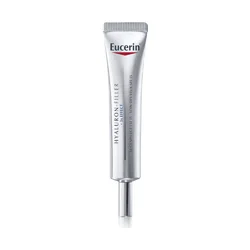

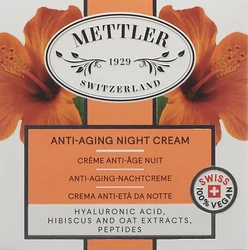
How does a cell activator work?
Cell activators, as advanced skincare products, work by supporting and stimulating the natural functions of skin cells. By enhancing cellular metabolism and promoting collagen and elastin production, the epidermis can appear firmer and smoother. Advances in dermatological research have made it possible to develop highly effective formulations that target skin ageing precisely.
What does EGF mean?
EGF, short for “Epidermal Growth Factor”, is a protein that acts as a messenger in the body and plays a crucial role in cell regeneration and healing. Its discovery was honoured with the Nobel Prize in Medicine in 1986, as it is central not only to wound healing but also to skin health.
Today it is also used in aesthetic medicine and in anti‑age skincare. It stimulates the production of collagen and elastin, which are responsible for the epidermis' elasticity and firmness. As skin ages, collagen production decreases, leading to wrinkle formation. EGF can slow down or partially reverse this process.
There are animal‑derived, human and plant‑based bio‑EGFs used in cosmetic and medical applications to effectively support skin regeneration.
What are the main components of a cell activator product?
They often contain active ingredients intended to activate skin cells and promote regeneration. Modern ingredients include EGF. In addition, one often finds vitamins such as B1, B2 and B6, minerals like zinc, copper and manganese as well as natural substances such as pure spring water or crystal salt.
These ingredients work together to stimulate cellular metabolism, revitalise the skin and counteract premature ageing. Depending on the product and technology, special processes such as the light‑quantum principle may also be used to increase effectiveness. The exact composition can vary, so it is important to check manufacturer information carefully and consult an expert if necessary.
How is a cell activator applied?
The use of a cell activator depends on the type of product. Cosmetic cell activators like creams or serums are typically applied to cleansed skin. They should be gently massaged into the epidermis of the face, neck and décolletage and can be used both morning and evening.
Dietary supplements with cell‑activating properties are taken orally. It is important to follow the dosage and timing recommended by the supplier. They are usually taken with sufficient liquid during meals.
Devices for cell activation, often working with high‑frequency or light technology, are applied directly to the skin. Such devices are typically used in short sessions, whose duration and frequency should follow the manufacturer's instructions.
What are the risks of stem cell therapy for the skin?
Stem cell therapy for the skin is an innovative regeneration and rejuvenation method that uses autologous stem cells. These cells, which possess a special capacity for self‑repair and cell division, are used to renew skin structure, stimulate collagen production and reduce wrinkles. Through their regenerative effect, stem cells stimulate the natural renewal of the epidermis, resulting in a more radiant, smoother and youthful appearance.
Despite promising results, the method is not without risks. A central concern is the potential tumour risk, especially with stem cells that can divide uncontrollably, such as embryonic or reprogrammed stem cells. In aesthetic medicine, however, mesenchymal stem cells are typically used and are considered safe.
Another risk is immunological reactions, where the body attacks the stem cells and inflammation occurs. Injections can also lead to infections or tissue damage, particularly if not performed by qualified personnel. Interactions with other medications are also a possible risk.
Cell activators: how to best support your skin
- UV rays damage the skin's collagen and lead to premature ageing. Apply a high‑factor sunscreen daily to protect your skin from harmful influences. Remember that sun protection is important even in winter and on cloudy days.
- A balanced diet rich in fruit, vegetables and healthy fats supplies the skin with essential nutrients. Foods like berries, carrots or avocados have antioxidant effects and protect against free radicals. Avoid sugar and saturated fats as much as possible, as they accelerate skin ageing.
- While you sleep, your skin regenerates and repairs damage. Make sure to get at least 7–8 hours of sleep per night. This helps your complexion look fresher and the skin firmer.
- Massages stimulate circulation and can help firm the epidermis. Use light pressure with your fingers over the forehead, cheeks and chin to counteract wrinkle formation. Regular massages also contribute to a more relaxed skin appearance.
- Hyaluronic acid can bind large amounts of water and intensely hydrate the epidermis. Use skincare products with this ingredient to reduce dehydration lines and give the skin a plumper look.
- Glycoin stimulates skin cells and gives the skin more energy. It acts as a natural “booster” and combats signs of fatigue and stress. Use creams or serums with glycoin to achieve a more vital complexion.
- Exercise promotes circulation and improves the skin's oxygen supply. Just 30 minutes of activity per day can help stimulate metabolism and revitalise the skin from within. Exercise also reduces stress, which negatively affects the skin.
- Chronic stress promotes the release of cortisol, which makes the epidermis thinner and more sensitive. Practice relaxation techniques such as yoga or meditation to balance your daily life. Less stress means more radiant skin.
- A gentle cleanser removes makeup, dirt and pollutants from the skin without drying it out. Use mild cleansing products to protect the skin barrier and optimise the uptake of skincare products.
- Vitamins C, E and other antioxidants neutralise free radicals and protect the skin from oxidative stress. Serums or creams containing these ingredients can reduce pigmentation and promote a more even complexion.
- The Skin Lipid Matrix helps restore the skin barrier's natural protective function. Use products with lipids to make the skin more resilient to environmental influences and to protect it from moisture loss.
- Ectoin retains moisture particularly effectively and strengthens the skin. Ectoin can visibly reduce wrinkle depth and make the epidermis appear smoother. It is excellent for sensitive skin types.
Cell activators for the epidermis support the natural regeneration of skin cells and promote a healthier, more radiant complexion. By specifically activating cellular function, visible signs of skin ageing can be reduced and skin elasticity improved. Such skincare products are ideal for strengthening the skin long‑term and preserving its youthful appearance.