
Faltenkiller
The path to flawless timelessness
editorial.overview
What are wrinkles and how do they form?
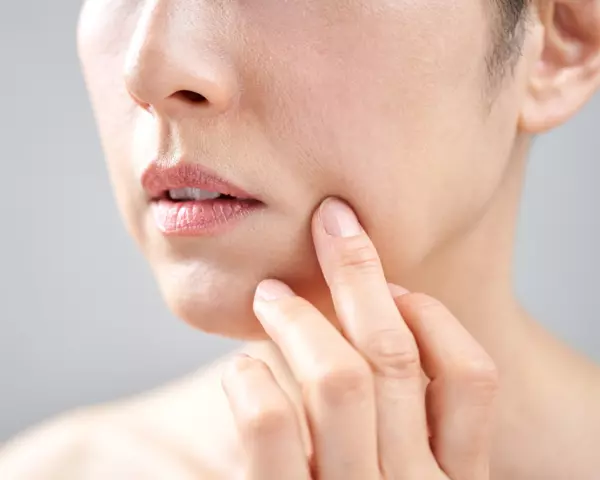
Wrinkles appear as visible grooves or lines in the epidermis when it loses moisture, firmness and lipid content. This process often begins around the age of 25, when the natural production of collagen and hyaluronic acid declines—both vital for skin elasticity and hydration.
Static wrinkles form primarily around the mouth, nose, eyes and cheeks and remain visible even when the facial muscles are relaxed. Common signs include sagging cheeks, neck wrinkles and a double chin.
Regular sun exposure, dry air, wind and frequent swimming in chlorinated or salty water dry out the skin and accelerate wrinkle formation. Smoking, alcohol consumption, stress and strong UV exposure, e.g. from tanning beds, also have a detrimental effect.
Genetic predisposition also plays an important role, as it influences how well the skin is nourished and how efficiently collagen production works.
Which active ingredients help against wrinkles?
In anti-age cosmetics there are several proven actives that specifically target wrinkles and help the skin look younger.
Retinol (vitamin A) is considered one of the most effective anti-age ingredients. It stimulates collagen production and promotes epidermal cell renewal. As a result, fine lines are smoothed and the skin texture appears more elastic. Retinol should be used with caution, however, as it can increase skin photosensitivity.
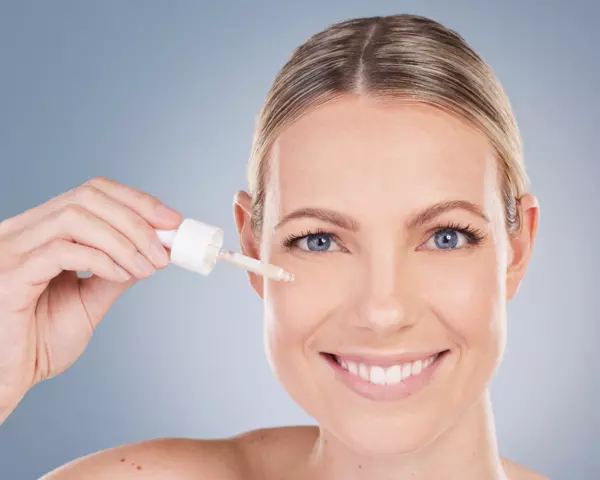
Hyaluronic acid, the “moisture booster", can hold impressive amounts of water and thus plump up dehydration lines. Hyaluronic-containing creams or serums make the skin smooth, plump and intensively hydrated.
Besides hyaluronic acid, injections with botulinum toxin are among the most popular minimally invasive treatments to reduce the appearance of wrinkles.
Vitamin C revitalises the skin, has a firming effect and reduces pigmentation spots. Through its antioxidant properties it protects the epidermis from UV damage and promotes a more even skin texture.
As a powerful radical scavenger, vitamin E helps prevent premature skin ageing and improves long-term skin elasticity. It is particularly abundant in wheat germ oil and contributes to a smooth, supple skin surface.
Collagen forms the skin’s supportive tissue and maintains its firmness. Since collagen production decreases with age, collagen-boosting products help stimulate the skin’s own collagen production and strengthen skin structure.
Niacinamide (vitamin B3) supports the skin’s moisture balance and soothes irritated areas. It evens out the skin tone and protects against external influences.
As an antioxidant, coenzyme Q10 protects the skin from free radicals and supports cell regeneration, making it more resilient and smoother.
Fruit acids help remove the outermost dead skin cells and improve skin appearance by reducing fine lines and refining skin texture. Peels are an effective method to free the epidermis from dead cells and give it a fresh look.
Snow algae extract activates collagen fibres and stimulates their renewal, giving the skin new elasticity and making it more resistant to external stressors.
Peptides stimulate the skin’s repair mechanisms and support collagen and elastin fibres. They slow down the ageing process and reduce wrinkle depth and number.
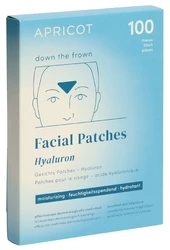
Spilanthol: a natural wrinkle fighter with immediate effect?
Spilanthol, derived from the South American Jambu plant (also called paracress), is a plant extract regarded as a natural “wrinkle fighter" with immediately visible results. Unlike wrinkle injections, which can paralyse facial muscles and sometimes create a mask-like appearance, spilanthol merely inhibits muscle contraction without restricting facial expression. The skin appears instantly smoother and firmer without losing its expressiveness.
Due to its small molecular size, spilanthol can penetrate deeply and act directly where wrinkles form. Its relaxing effect makes the skin look smoother and firmer, refreshed and rejuvenated. Another advantage is that, as a natural substance, spilanthol does not cause long-term side effects and can be conveniently applied as serums or creams.
Because spilanthol’s effect is short-lived, it can be dosed and adjusted daily, allowing users to flexibly decide whether to maintain the effect.
Spilanthol is often combined with hyaluronic acid for intense hydration or with other anti-age actives like retinol for longer-term skin improvement.
For a quick tolerance test, a small amount of product can be applied behind the ear. This makes it easy to check whether the product is suitable.
Anti-age nutrition: which foods fight wrinkles?
An anti-age diet, based on a targeted selection of foods, can help slow the skin’s ageing process and prevent wrinkles. Particularly effective are so-called “superfoods" rich in antioxidants, vitamins and minerals, which neutralise free radicals and protect skin structure.
Berries such as açaí and goji are among the most popular anti-age foods. They contain high amounts of vitamins A, C and E as well as important minerals that help protect skin cells and stimulate their regeneration. Goji berries are especially rich in antioxidants and help keep skin firm and elastic.
Phytoestrogen-rich foods like soybeans, tofu and flaxseed can influence skin ageing through their plant-based hormone-like compounds. With age, oestrogen levels fall, making the skin drier and less elastic. Phytoestrogens help compensate for this effect and keep the epidermis firmer for longer.
Vitamin C-rich foods such as the exotic camu-camu fruit promote collagen production, which is important for skin firmness. Camu-camu contains significantly more vitamin C than citrus fruits and also has anti-inflammatory effects that further improve skin appearance.
Sweet potatoes are rich in vitamin A and beta-carotene, which protect the skin from sun damage and provide a radiant complexion. Regular consumption can help reduce wrinkle formation and make the skin look healthier.
Isoflavones, found in soybeans and other legumes, are considered natural anti-age compounds. These plant substances support skin firming and can slow wrinkle formation.
Carbohydrate- and fibre-rich foods such as amaranth are ideal for an anti-age diet. Amaranth contains essential amino acids and zinc that support cellular metabolism and give the skin a fresh, youthful appearance.
Combined with consistent skin care, these foods help slow down skin ageing and keep the skin looking young and radiant.
Facial acupressure points: a wrinkle fighter?
Facial acupressure is a natural and effective method to reduce wrinkles, improve skin texture and release tension. Specific points on the face are massaged with light to moderate pressure, which stimulates blood circulation, promotes collagen production and makes the skin appear firmer and younger. The technique is based on acupuncture principles but requires no needles and can be easily integrated into daily care routines.
Some of the most important acupressure points for a smoother complexion include the Dicang point, located lateral to the nostrils and aligned with the pupils, which is ideal for tightening sunken cheeks and smoothing nasolabial and perioral folds. It improves skin tone and gives the face a fresher appearance.
Yintang (third eye) lies between the eyebrows and helps reduce forehead lines and improve facial circulation. This point is also relaxing and can relieve headaches and dizziness.
The Jiache point is located in the hollow in front of the jaw joint and is particularly helpful for firming the chin area. It can reduce a double chin and release tension in the jaw region.
The Yanhbai point sits directly above the pupil, about one-third above the eyebrow, and benefits the forehead muscles. It not only helps soften forehead lines but can also relieve tired eyes and headaches.
At the temple near the hairline is the Touwei point, which helps with headaches caused by stomach problems and strengthens facial muscles. Regular stimulation can smooth forehead wrinkles.
The Sizhukong point near the eyebrow stimulates the muscles around the eyes and helps smooth crow’s feet. It can also relieve dizziness, facial twitches and red eyes.
The Renzhong point, an acupressure point between the upper lip and the nose, can smooth vertical lines around the mouth. It is also used as a first-aid point in cases of fainting.
To achieve the full effect of facial acupressure, it is recommended to stimulate these points for 10 to 15 minutes daily. Fingers should press the points in gentle circular motions—ideally with a mild serum for an added care effect. After about a week, initial improvements in skin texture and firmness can be noticed.
Does Botox prevent future wrinkles?
Botox can indeed have a preventive effect on wrinkles by relaxing the facial muscles responsible for expression lines. Dynamic wrinkles such as frown lines or crow’s feet are caused by repeated muscle movements that strain the skin tissue and deepen the folds.
By temporarily paralyzing certain muscle groups, wrinkle formation can be slowed or in some cases prevented if Botox is used at a relatively young age (20 to 30 years).
However, this preventive property is limited to expression-related wrinkles. For static wrinkles caused by skin ageing or external factors like sun damage, Botox is less effective. Long-term costs should also be considered, since regular touch-ups are necessary to maintain the preventive effect.
Many dermatologists also recommend restrained use to preserve a natural appearance, as excessive application can impair facial expression and natural looks.
Ultimately, preventive Botox can help keep the skin smoother for longer when used correctly. It is advisable to consult a specialist to discuss possible risks and alternatives.
Anti-age made easy: how to use wrinkle fighters effectively
- Rely on daily sun protection, as UV rays are a major cause of premature skin ageing. Even on cloudy days, UV rays can damage the epidermis and promote collagen breakdown, leading to wrinkles. Always use a day cream with sun protection factor (SPF) to protect your skin from light-induced ageing in the long term.
- Antioxidants like vitamins C and E are important protective substances for the skin. These vitamins neutralise free radicals caused by environmental factors that accelerate the ageing process. A serum or cream containing vitamins C and E lets you target wrinkles and make your skin appear smoother.
- Lack of moisture is one of the main causes of fine lines. Hyaluronic acid binds moisture and plumps the skin from within, reducing wrinkles. Use a hyaluronic-containing product to keep your skin hydrated and supple all day.
- A balanced diet rich in fruit, vegetables and healthy fats supplies your skin with valuable nutrients. Antioxidants in colourful vegetables like berries and carrots protect skin cells and help prevent wrinkles. Avoid sugar and processed foods, as they can reduce skin elasticity.
- At night the skin regenerates and sheds damaged cells. Make sure to get seven to eight hours of sleep to support natural cell renewal. Good sleep is therefore an essential part of an anti-age routine for wrinkle-free, radiant skin.
- A thorough evening cleansing removes impurities, makeup and excess sebum from the epidermis. This prevents clogged pores and premature skin ageing. Use a gentle cleanser that does not dry out the skin to preserve its natural protective barrier.
- Smoking narrows blood vessels, reducing oxygen and nutrient supply to the skin. This accelerates wrinkle formation and leaves the complexion looking dull. A smoke-free life promotes healthy, radiant skin and can delay wrinkle onset.
- Good hydration is crucial to keep the skin plump and elastic from the inside. Drink at least two litres of water daily to adequately hydrate your skin cells and the whole body. This prevents dehydration lines and supports skin regeneration.
- Massages stimulate circulation and relax the facial muscles, which can help prevent wrinkles. Massage your face daily with fingertips or specialised tools like a Gua Sha stone. This routine helps the skin look smoother and improves product absorption.
- Face yoga strengthens facial muscles and helps firm sagging skin. Targeted exercises can help maintain facial volume and reduce wrinkle formation. A few minutes of daily practice boost firmness and contribute to long-term wrinkle smoothing.
- Stress hormones like cortisol can accelerate ageing and promote wrinkles. Take regular breaks and recover during stressful periods with meditation or breathing exercises. Relaxation is important for the skin and gives it a chance to regenerate.
- Sugar causes glycation, a process in which sugar molecules bind to collagen fibres and weaken them. Reduce sugar intake to preserve your skin’s elasticity. Less sugar in the diet leads to smoother skin and delays wrinkle formation.
- Facial oils like argan or almond oil strengthen the skin’s barrier. Oils are especially helpful for dry skin and reduce fine lines by plumping them up. Apply oil in the evening to damp skin to intensify the effect.
- For deeper wrinkles, minimally invasive wrinkle treatments such as hyaluronic acid fillers may be an option. These fillers plump the skin from within and give it a youthful appearance. Consult a specialist to choose the appropriate treatment and achieve natural-looking results.
- Don’t forget that the décolleté also needs daily care. Special creams for this area can help make the skin look smoother and firmer and prevent wrinkle formation.
Products and methods known as “wrinkle fighters" aim to improve skin structure and reduce the appearance of fine lines. Regular use can increase skin firmness and make it look fresher and smoother. A healthy lifestyle also plays a role in strengthening the epidermis from within and slowing the ageing process.