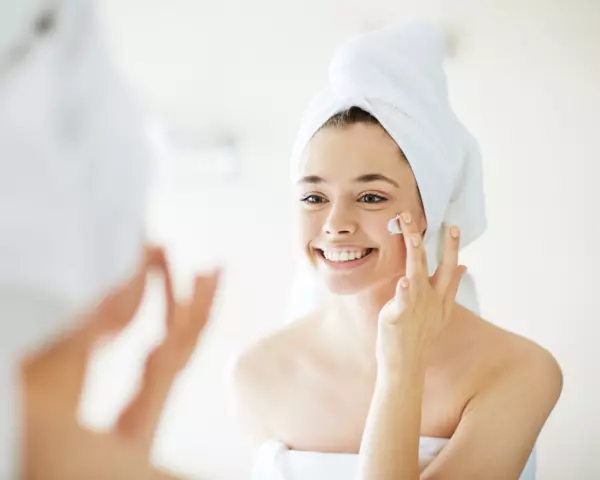

Mature Skin
The secret of beautiful changes
What is mature skin?
Mature skin refers to the natural ageing process of the skin, during which it loses elasticity, firmness and moisture. Early changes can appear as early as age 25, and by around 40 the signs of skin ageing become more noticeable. These include fine lines, deeper wrinkles, a thinning skin texture and weakening of connective tissue. The skin can become drier and more sensitive and prone to irritation. Over time age spots, pigment irregularities or skin changes such as couperose may develop. The complexion can also look duller, dark circles can appear and circulation may be reduced.
Skin ageing is influenced by various factors such as genetic predisposition, hormonal changes, UV radiation and environmental stressors. In particular, photoageing caused by UV exposure plays a major role, as it damages the skin structure and accelerates collagen breakdown. An unhealthy lifestyle, stress or an unbalanced diet can also accelerate skin ageing.
During menopause the production of essential skin components such as collagen, hyaluronic acid and elastin decreases further. As a result the skin progressively loses firmness, especially noticeable on the face, neck and décolleté. With age existing wrinkles deepen, contours become looser and the skin thins as facial fat pads are reduced. Pores may become more visible, and dryness and itching increase.
How important is UV protection for mature skin?
UV protection is crucial for mature skin because UV rays significantly accelerate skin ageing. UVA rays in particular penetrate deeply into the skin and promote the formation of free radicals that break down collagen and lead to wrinkles and sagging skin. Therefore it is necessary to use a day cream with an adequate sun protection factor (SPF) to protect the skin from these harmful rays.
Although complete protection from UV radiation is not possible, a cream with strong UVA protection can markedly reduce long-term skin damage. For daytime care look for a product bearing a UVA mark or claim that guarantees enhanced protection. In addition to UV filters, it is beneficial if the cream contains anti-ageing actives like hyaluronic acid, vitamin C and ceramides, which provide extra moisture and protect the skin. These ingredients help the skin strengthen its natural barrier and delay wrinkle formation.
In addition to sunscreen in your daily routine, further protective measures such as wearing protective clothing, seeking shade and wearing a hat in the sun should be considered. This helps keep the skin healthy and well protected from the sun’s harmful effects in the long term.
Does stress make skin age faster?
Stress has a major impact on the skin and can cause it to age over time. Our skin is particularly sensitive to internal strains such as psychological stress, which can manifest as various skin issues. Early signs of stress on the skin often include visible changes such as redness, rashes or pimples. These are caused by stress hormones released during physical or emotional strain. These hormones, especially cortisol, stimulate sebum production and negatively affect the skin barrier.
Chronic stress can permanently damage the skin barrier and make the skin less resilient. This not only promotes blemishes and acne, but can also contribute to the formation of wrinkles and lines. Stress constricts blood vessels, reducing nutrient supply to the skin and diminishing vitality. This effect is particularly clear in individuals with existing skin conditions such as atopic dermatitis or psoriasis, demonstrating how much the psyche can influence skin health.
In the long term, ongoing stress contributes to faster skin ageing by disrupting the skin’s natural healing processes and increasing inflammatory responses. Stress can also prevent existing skin irritations from healing properly, placing additional strain on the skin. Therefore it is important to reduce stress and maintain emotional balance to help prevent premature ageing of the skin.
Fat or moisture – what does your skin need?
Whether the skin primarily needs fat or moisture is not always easy to answer, as it strongly depends on individual and external factors. Basically every skin requires both moisture and lipids — but in a balanced proportion. What the skin lacks can change not only due to genetic predisposition but also due to changing climatic conditions and the seasons.
If the skin feels tight or itchy, it is often not sufficiently hydrated. Dry, flaky areas or even cracks indicate a lack of lipids. Especially with increasing age the skin’s natural lipid production decreases, so it needs more fat to maintain its protective barrier. Optimal care focuses on a balanced ratio of both components. Moisturising care is particularly necessary during the day when the skin needs protection from external influences such as UV radiation and temperature fluctuations. Night care should be richer and more lipid-based, as the skin regenerates and repairs itself at night. This allows the skin to fully make use of its natural recovery processes.
The cheek push test is a simple method to find out what the skin lacks and how best to care for it. Push the cheek gently with the index finger parallel to the cheekbone from bottom to top. If horizontal folds appear, this is a sign that the skin lacks moisture. If vertical folds form, the skin needs fats. If both horizontal and vertical folds appear, the skin needs both moisture and fats. A balanced ratio of moisture and lipids is important to strengthen the skin’s protective barrier and slow the natural ageing process.
What is the right care for mature skin?
The right care for mature skin requires a targeted skincare routine that addresses the specific needs of the skin. Since mature skin often loses moisture and elasticity, it is important to use highly effective care products. A multi-step routine helps keep the skin supple and reduces signs of ageing.
A gentle cleansing is essential to remove dirt and make-up without drying out the skin. To preserve the skin’s natural protective film, use mild, soap-free products with re-lipidising ingredients. After cleansing, pat the skin gently with lukewarm water rather than rubbing. Anti-age creams form an essential basis of care. Moisturising variants with hyaluronic acid keep the skin plump and supple, firming creams with peptides and collagen support the skin structure. Revitalising creams with antioxidants such as vitamin C help refresh the complexion and reduce signs of skin ageing.
A highly concentrated anti-age serum can complement the effect of the cream. Serums containing retinol, niacinamide or vitamin C penetrate deeply into the skin and help reduce wrinkles and refine skin texture. Since serums are light and absorb quickly, they should be applied before the cream. Additional care products such as masks and peels are useful to regenerate the skin and maintain its radiant appearance. Anti-age masks with moisturising or firming ingredients can be used once or twice a week. Peels with fruit acids or enzymes remove dead skin cells and stimulate cell renewal.
Daily sunscreen is particularly important for mature skin. A day cream with an SPF of at least 30 protects against UV radiation, which significantly contributes to skin ageing. It is advisable to choose a light, non-comedogenic formula to avoid blemishes, and not to forget the neck, décolleté and hands. When introducing anti-ageing actives, proceed gradually: test a new product first and observe the skin’s reaction before adding more products. Some actives may initially cause irritation, so it is important to accustom the skin slowly.
Proper care for mature skin is based on a consistent routine combining cleansing, moisture, actives and protection. With a routine tailored to your skin type, your skin remains healthy, supple and resilient against the signs of time.
How to strengthen your skin from within: practical tips
- Drink 1.5 to 2 litres of water or unsweetened tea daily to hydrate the skin from within. Avoid cold drinks as they can make fluid absorption more difficult. Choose lukewarm or room-temperature beverages.
- Incorporate beta-carotene rich foods such as carrots, peppers and apricots, biotin-rich foods like eggs and oats, and omega-3 rich products such as salmon or linseed oil into your meals.
- Add healthy fats. Plant oils, nuts and seeds containing vitamin E support skin health and provide important protection against harmful environmental influences.
- Eat pumpkin seeds, sunflower seeds and wheat germ to cover your zinc needs and strengthen your skin from within.
- Make sure you consume enough protein to strengthen the skin’s connective tissue. Legumes, soy and nuts are good plant-based protein sources.
- Prefer alkaline-supporting foods. Eat items such as pineapple, raw tomatoes and sprouts that promote an alkaline metabolism and help prevent skin irritations.
- Choose as unprocessed foods as possible to supply your skin with all necessary nutrients and slow down skin ageing.
- Reduce consumption of sugary drinks and alcohol as they draw water from the body and contribute to skin dryness.
- Expose yourself regularly to natural sunlight to support vitamin D production. A daily 30-minute walk is sufficient.
- Value structured rest periods. Stress and lack of sleep negatively affect the skin’s appearance. Plan regular breaks and ensure adequate sleep so your skin can regenerate from the inside out.
Mature skin needs targeted care to preserve moisture and firmness. Gentle products, sun protection and a healthy lifestyle help maintain a radiant appearance.