
Cholesterol
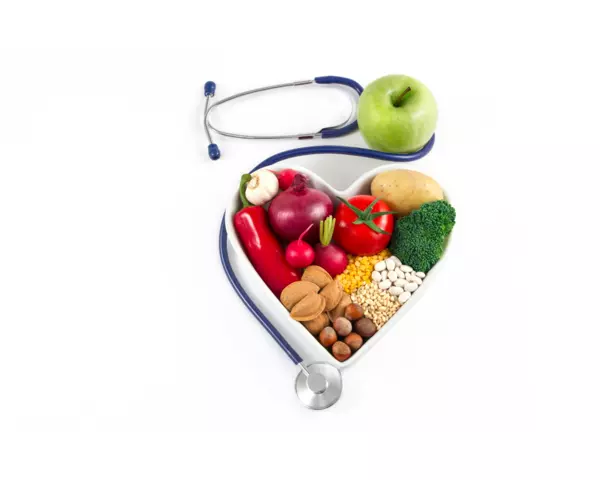
How can you get these values under control?
editorial.overview
What is cholesterol?
Cholesterol is a fat-like substance that belongs to the group of blood fats (lipids). The term derives from Greek and roughly means “solid bile”, since cholesterol was originally discovered in gallstones. It is an essential component of every human cell and plays an important role in the body, including the formation of hormones, bile acids and vitamin D.
The majority of cholesterol is produced by the body itself – mainly in the liver and the intestines. Only a small portion comes from food, particularly animal products such as egg yolk, offal, meat, dairy products or seafood. Plant-based foods like fruit, vegetables or legumes do not contain cholesterol.
What does cholesterol do in the body?
Cholesterol fulfils numerous vital functions in the body. It is an essential part of our cell membranes, ensuring they remain stable and flexible. In addition, cholesterol is required for the production of important hormones such as cortisol, testosterone and oestrogen, which regulate many processes in the body.
Another important role of cholesterol is digestion: it serves as a precursor for the formation of bile acids, which are necessary for fat digestion. Cholesterol is also a precursor of vitamin D, which plays a central role in building healthy bones.
Because cholesterol is not water-soluble, it must be transported through the bloodstream to its destinations by special carrier molecules called lipoproteins. There are two main types: LDL cholesterol (Low-Density Lipoprotein) carries cholesterol from the liver to the organs, while HDL cholesterol (High-Density Lipoprotein) brings excess cholesterol back to the liver, where it is broken down.
Cholesterol is therefore not only a risk factor but an indispensable substance for the body. The balance between LDL and HDL is crucial, as an excess of LDL cholesterol can increase health risks.
What risks do high cholesterol levels pose?
Elevated cholesterol levels cause no direct symptoms, but can have significant long-term health consequences. In particular, the risk of atherosclerosis increases, meaning narrowing and hardening of the blood vessels. This can in turn favour serious cardiovascular diseases such as heart attack or stroke.
High LDL cholesterol leads to cholesterol being deposited in the vessel walls. These deposits, called plaques, narrow the blood vessels and can impede blood flow. In the worst case, a plaque can rupture, a blood clot can form and completely block the vessel – resulting in an acute infarction.
However, recent studies show that the relationship between cholesterol and heart disease is more complex than previously thought. Cholesterol alone is not always a reliable risk factor. Factors such as inflammation, insulin resistance and the ratio between LDL and HDL cholesterol also play a decisive role. Therefore, it is not enough to look only at the LDL value – the entire lipid profile as well as other health factors must be included in the risk assessment.
Cholesterol values – what does LDL cholesterol mean?
LDL cholesterol (“Low Density Lipoprotein”) is a transport form of cholesterol in the blood. It transports cholesterol from the liver to the body’s cells, where it is needed for various processes. Because excess LDL cholesterol tends to deposit in the vessel walls, it is often referred to as “bad cholesterol”.
Too much LDL cholesterol can lead to the formation of deposits (plaques) in the arteries. These plaques narrow the blood vessels, restricting blood flow. As a result, circulation problems, heart attack or stroke can occur. If a plaque ruptures, a clot can form and fully obstruct the vessel – an acute emergency.
However, LDL cholesterol is only one risk factor among many. Factors such as smoking, overweight or high blood pressure can further increase the risk of cardiovascular disease. Genetics also play a role: some people are more sensitive to cholesterol-rich foods than others. It is therefore important to have LDL levels checked regularly and, if necessary, to take measures to lower them.
Cholesterol values – what does HDL cholesterol mean?
HDL cholesterol (“High Density Lipoprotein”) is a transport form of cholesterol that helps remove excess cholesterol from the body. It picks up cholesterol from body cells, organs and blood vessels and brings it back to the liver. There it is converted into bile acids and eliminated via the intestine.
Because HDL cholesterol can reduce deposits in the blood vessels, it is considered “good cholesterol”. It helps lower the risk of atherosclerosis (artery hardening) and thus protects against cardiovascular diseases such as heart attack and stroke.
A high HDL level in the blood is considered healthy, as it helps keep total cholesterol in balance and prevents harmful deposits.
What are the risk factors for elevated cholesterol levels?
A high cholesterol level can be promoted by various factors. One of the most common causes is an unhealthy lifestyle, particularly a diet high in saturated fats, lack of exercise and overweight. Abdominal fat in particular negatively affects cholesterol levels.
Certain medical conditions can also lead to elevated cholesterol, including diabetes, hypothyroidism, liver or kidney diseases and bile duct obstruction. In addition, hormonal changes, for example during menopause or pregnancy, can play a role.
In some cases, a high cholesterol level is genetically determined. This so-called familial hypercholesterolaemia often appears in childhood and requires medical treatment.
Risk factors such as smoking and excessive alcohol consumption further worsen cholesterol values by increasing “bad” LDL cholesterol and lowering “good” HDL cholesterol. Since cholesterol levels tend to rise with age, older people are especially affected.
Which cholesterol level is considered safe depends on several factors, including age, sex, pre-existing conditions and the ratio between LDL and HDL cholesterol. A doctor can assess individual risk based on these factors and, if necessary, recommend measures to lower cholesterol levels.
How can HDL cholesterol be increased?
A high HDL cholesterol level has a positive impact on health because HDL transports excess cholesterol from the blood vessels to the liver, where it is broken down. There are several ways to deliberately increase HDL levels.
Regular physical activity, particularly endurance sports such as running, swimming or cycling, can raise HDL cholesterol. Even moderate everyday activity, such as walking or taking the stairs, can have a positive effect.
A balanced diet plays a decisive role. Unsaturated fatty acids from fish, nuts and plant oils such as linseed oil can promote “good” cholesterol. At the same time, trans fats, which are found for example in hardened vegetable oils and industrially processed foods, should be avoided where possible. Reducing simple carbohydrates can also help.
Smoking lowers HDL cholesterol. Quitting smoking can improve HDL levels in the long term – provided weight is monitored after stopping. Overweight, especially visceral abdominal fat, can negatively affect HDL levels. Healthy weight loss through a combination of balanced diet and exercise can help increase HDL cholesterol.
These measures can raise “good” cholesterol and thereby reduce the risk of cardiovascular disease.
Does elevated cholesterol require dietary restriction?
With elevated cholesterol, it is not necessarily required to severely restrict the diet, but a conscious and balanced diet plays a crucial role in controlling cholesterol levels. About 75% of the cholesterol in the body is produced by the liver itself; the rest comes from food. However, if too much cholesterol is consumed through meals, the body cannot regulate it and blood lipid levels increase. This often leads to elevated LDL values, which raise the risk of cardiovascular disease.
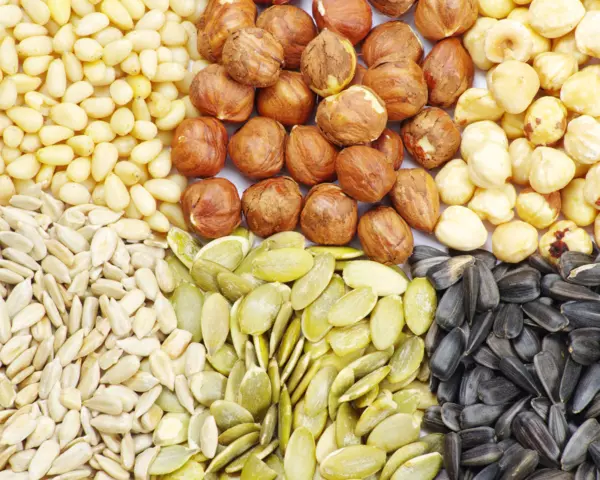
To reduce cholesterol, a modified fat diet is advisable, low in saturated fats and higher in unsaturated fatty acids. Healthy fats are found for example in fish, olive oil, nuts and seeds. These can help lower LDL while raising HDL (“good” cholesterol). It is also important to reduce consumption of products that contain a lot of trans fats – such as fast food and ready-made meals – since these increase LDL cholesterol in the blood.
A Mediterranean diet is an excellent example of a balanced diet that reduces the risk of elevated cholesterol. Fibre-rich foods such as whole grains, legumes, fruit and vegetables also play an important role. Soluble fibres in particular, found in oats, barley and many fruits, bind bile acids in the digestive tract and help lower LDL cholesterol. A daily intake of at least 30–40 grams of fibre can effectively regulate cholesterol levels and reduce the risk of vascular disease.
Tablets, diet, lifestyle: what lowers high cholesterol?
- Choose a balanced diet low in saturated fats and rich in healthy fats such as those from fish, avocados and nuts.
- Eat more fibre-rich foods such as wholemeal bread, rice and pasta, as these help lower cholesterol. A fibre-rich diet supports the gut microbiome, which can have a positive effect on cholesterol.
- Limit consumption of rapidly digestible sugars found in foods like white bread and sugary drinks.
- Include more soluble fibre in your diet, for example from oats, apples and legumes. These lower LDL.
- Regularly eat fatty fish such as salmon, mackerel or herring, which are rich in omega-3 fatty acids, to raise HDL.
- Reduce intake of trans fats, which are particularly found in fast food and ready meals, as they increase LDL cholesterol.
- Avoid excessive alcohol consumption, as this can damage the liver and stimulate cholesterol production.
- Opt for foods rich in vitamins C and E, such as fruit, vegetables and nuts, as these positively influence cholesterol.
- Ginger, garlic and fennel have been shown to have cholesterol-lowering properties. Include them regularly in your meals.
- Quitting smoking helps raise HDL and reduces inflammation that can lead to atherosclerosis.
- At least 30 minutes of aerobic exercise on 3–5 days a week can increase HDL and lower triglycerides.
- Supplement your training with strength exercises, as these help lower total cholesterol and LDL.
- Even moderate weight loss can help reduce cholesterol. The goal is a healthy body composition without excess weight.
- Stress can raise LDL cholesterol. Try to reduce stress with meditation, yoga or walks.
- Make sure you get enough sleep. Lack of sleep can disrupt metabolism and negatively affect cholesterol.
- Relaxation methods such as autogenic training or progressive muscle relaxation can help reduce stress and regulate cholesterol.
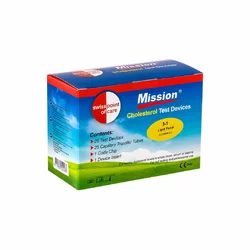
- Have your cholesterol checked regularly, especially if you are over 45 or have an increased risk of cardiovascular disease.
- If lifestyle changes are not enough, medication such as statins may be appropriate. Always discuss this with your doctor.
While medication can play an important role when needed, the real key often lies in a holistic approach that strengthens both body and mind. Every step towards a healthier lifestyle pays off – and it's never too late to achieve big effects with small changes!