
Phytosterols
The plant route to good health
What are phytosterols?
Phytosterols, also known as phytosterines or plant sterols, are natural components of plant cells. They have a structure similar to the cholesterol found in the human body. Phytosterols also fulfil important roles, such as building cell membranes and producing hormones.
Phytosterols are a mixture of different substances, including β-sitosterol, campesterol and stigmasterol, with β-sitosterol being the best known.
Plant sterols (phytosterols, phytosterines) are secondary plant compounds found mainly in the fat-rich parts of plants, although they are scarcely used in human metabolism and are not essential for life.
These plant sterines and stanols (saturated derivatives of sterols) are considered novel foods and are present in a variety of products such as yoghurt, salad and seasoning sauces, beverages, as well as bread and baked goods.
Plant sterol preparations used to lower cholesterol are often concentrates of vegetable oils. They can also be produced from tall oil, a by-product of the wood industry. These foods contain higher amounts of plant sterols than conventional foods.
Where are phytosterols found?
Phytosterols are mainly found in fat-rich plant foods such as wheat-germ, soybean, corn and rapeseed oils, but also in nuts and seeds like sunflower seeds, flaxseed or sesame, pumpkin seeds and wheat bran.
What do phytosterols do?
Phytosterols are structurally similar to cholesterol and compete in the intestine for the absorption of dietary cholesterol. This results in less animal cholesterol being absorbed, which in turn can lower LDL and total cholesterol levels. It is important to know, however, that most of the cholesterol in the blood is produced by the body itself in the liver and only a small portion comes from the diet.
To reach the dose used in studies of at least 1500 mg phytosterols per day, supplements or fortified foods must be consumed. Phytosterols have no specific function in the body and are excreted unchanged via the intestine. In people with a genetic variation that impairs the transport of phytosterols from the blood back to the intestine, however, phytosterol levels in the blood can rise and increase the risk of cardiovascular disease.
Phytosterols also have an anticarcinogenic effect, particularly regarding protection against colon, breast and prostate cancer. They may also reduce the risk of benign prostate enlargement and the development of prostate cancer.
It is important to note that regular consumption of larger amounts of fortified foods or supplements without knowledge of an individual's genetic variation carries risks. In addition, long-term intake of phytosterols can impair the absorption of fat-soluble vitamins. However, natural intake through plant foods is safe due to the relatively low amounts consumed.
How are phytosterols taken?
Phytosterols are mainly taken in through the diet. By eating the foods that contain them, they enter the body and exert their effect. Dietary supplements and fortified foods also contain phytosterines and provide an additional option to increase intake.
Excessive intake can have negative effects. Already from an amount of 2 g phytosterols per day, the absorption of fat-soluble vitamins and carotenoids from the diet can be impaired. For this reason, phytosterol-containing products are not suitable for pregnant or breastfeeding women and children under 5 years of age.
High-quality organic plant oils such as argan oil and prickly pear seed oil contain important phytosterols such as schottenol and spinasterol. Skin care with such oils regenerates and nourishes the skin barrier thanks to the phytosterols they contain, protects against moisture loss and has anti‑inflammatory effects.
How to take phytosterols safely and effectively: important tips
- Use foods with added plant sterols only if you have an elevated blood cholesterol level and want to lower it.
- Store these foods separately from similar products.
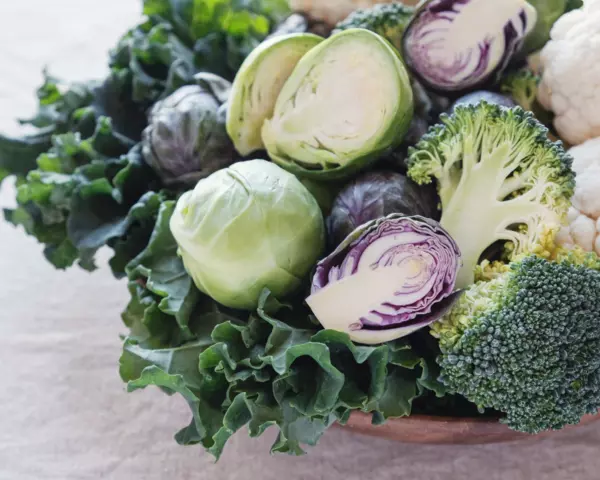
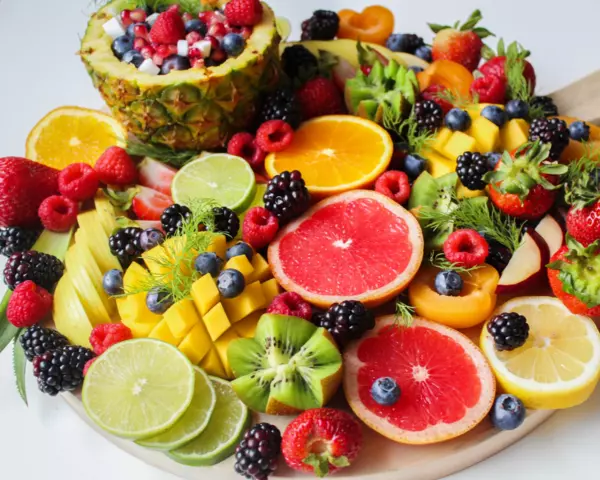
- Eat plenty of vegetables and fruits at the same time (5 portions a day), as phytosterols can limit vitamin absorption.
- Follow the instructions on the packaging and discuss the use of these products with your doctor, especially if you are taking cholesterol‑lowering medication at the same time.
- Keep in mind that foods fortified with plant sterols can have effects similar to medicines and therefore are not free of side effects.
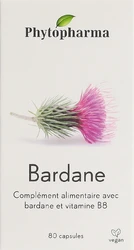
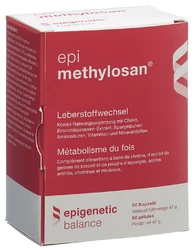
- Be cautious with dietary supplements, e.g. capsules containing plant sterols (phytosterol, beta‑sitosterol) — whether intended for the prostate, bladder or cholesterol reduction. Follow the package instructions to avoid health risks.
- Do not take more than 3 grams of plant sterols per day.
- Note that phytosterols are not suitable for all population groups, particularly pregnant or breastfeeding women and children.
- Consider that consuming natural foods rich in phytosterols is often a safer option than taking supplements.
- Maintain a varied diet to ensure you obtain a broad range of nutrients, including phytosterols.
Phytosterols are natural components of plant cells and can have a positive effect on cholesterol levels. A balanced diet with natural foods rich in phytosterols is a safer alternative to taking dietary supplements.