
Foods for the heart
These tasty foods can protect you from a heart attack
editorial.overview
How does daily diet affect heart health?
With each heartbeat our heart pumps about 80 millilitres of oxygen-rich blood into the arteries of the systemic circulation. That is 10'000 litres of blood per day — a tremendous task that requires a lot of energy. Heart function and a normal heart rhythm can be impaired by pre-existing conditions and lifestyle, which may lead to heart failure, arrhythmias, heart attack or palpitations.
To prevent heart disease, regular physical activity, stress reduction, preventive check-ups and a healthy, balanced diet are especially recommended. However, what you eat and drink daily is crucial for heart health. According to a study published in the European Journal of Epidemiology, almost half of all deaths from cardiovascular disease are attributable to unhealthy diets.
Which risk factors promote cardiovascular disease?
Cardiovascular diseases are typical lifestyle-related conditions. They arise from overweight, physical inactivity, lipid metabolism disorders and type 2 diabetes.
Unhealthy dietary habits can cause cholesterol and other blood components to deposit unnoticed on the walls of blood vessels over many years. This leads to the formation of plaques that restrict blood flow.
The risk for metabolic and cardiovascular problems is further increased by overweight. But underweight is also disadvantageous for people who already suffer from heart failure, as it accelerates the loss of heart muscle. Many of these risk factors can be well managed with a healthy diet even in middle and older age: a number of foods have a positive impact on blood pressure, blood lipids and inflammatory processes in the body.


Which foods are harmful to the heart?
Heart-friendly foods supply our bodies with all the essential nutrients needed to cope with the heavy demands of modern life. Unfortunately, such foods rarely make it onto many people's plates.
Popular foods are often made from highly processed raw materials. Processing denatures carbohydrates, fats and proteins. Vitamins, enzymes and phytochemicals remain only in trace amounts. As a result, our body suffers a significant deficiency of important nutrients, particularly when products with refined salt and sugar, preservatives and colourings, flavour enhancers and white flour are consumed excessively.
Why are healthy fats and complex carbohydrates important for the heart?
It may sound odd, but fats are heart-healthy. Fats protect the heart, but it is important to choose the right, healthy fats. Instead of saturated fats found in meat and cheese, more unsaturated fats should be consumed. The high content of unsaturated fatty acids and vitamins in nuts and almonds leads to a reduction of harmful LDL cholesterol. A meta-study from 2021 showed that consuming just 30 g of nuts per day reduces the risk of cardiovascular disease by around 20%.
Other studies have also demonstrated a blood-pressure-lowering effect. Olive oil is rich in monounsaturated fatty acids, which favourably affect blood lipid levels, blood clotting and blood pressure. This is the finding of a large US study: those who consume half a tablespoon of olive oil daily are 15% less likely to develop heart disease. Omega-3 fatty acids can help preserve the flexibility of vessel walls, promote circulation, inhibit clot formation and reduce inflammatory processes in the body. Cold-pressed organic plant oils high in omega-3 are therefore considered particularly valuable for heart health.
Carbohydrates are also an important nutrient. Today, however, simple and rapidly absorbed carbohydrates in the form of refined flours or pure sugar are often consumed in excess, causing the pancreas to release very large amounts of insulin continuously. This unnaturally high insulin level raises cholesterol and triggers inflammation in the arterial walls. Avoiding all rapidly absorbable sugars and the products made from them, and favouring whole, fibre-rich foods is therefore sensible. Three servings of whole grain products daily can reduce heart risk by 22%, researchers found in a meta-analysis of 45 studies.
Fibre from cereals and legumes has a positive effect on cholesterol and thus on heart health. Studies show that consuming 250 to 400 g of legumes per week has positive effects on blood pressure, LDL cholesterol and inflammatory processes. The risk of developing cardiovascular disease can thereby be reduced by up to 15%.
What role do antioxidants play in heart health?
Antioxidants are considered important protective factors for the heart and vessels. These valuable plant compounds are found mainly in dark berries and vegetables and help reduce inflammatory processes in the body. An antioxidant-rich diet therefore supports heart health and can further lower the risk of cardiovascular disease.
What eating habits are particularly heart-friendly?
- Avoid convenience products and prefer fresh, regional fruit and vegetables. Eat three portions of vegetables daily, choosing a colourful and varied selection. This supplies abundant phytochemicals and heart-friendly nutrients that help curb inflammatory processes.
- Reach for tomatoes: they contain lycopene, a strong antioxidant. Low blood lycopene levels have already been scientifically associated with an increased risk of heart attack and stroke.
- Use untreated rock or natural salt and season your food as often as possible with fresh herbs. Salt increases blood pressure and promotes fluid retention. The World Health Organization (WHO) recommends a salt intake of a maximum of five to six grams per day, while the current average is just under ten grams per day. To reduce salt intake, the following foods should be avoided: salted herring, matjes, feta cheese, salted pretzels, crisps, cured or smoked meat and fish products, frozen pizza, packet products.
- When using fats, always opt for top-quality organic options and generally avoid hydrogenated fats such as margarine, hydrogenated palm or coconut fat. Heart-friendly fats are those high in omega-3 (linseed oil, hemp oil) as well as high-quality saturated fats (virgin, cold-pressed organic coconut oil).
- Green leafy vegetables like spinach, chard, lettuce or kale have a high mineral and vitamin content, especially vitamin K. This vitamin supports the function of blood vessels. The nitrates they contain are also effective blood-pressure-lowering agents.
- The breakfast egg can significantly contribute to keeping the heart healthy. Researchers have shown in a study that regular egg consumption can increase levels of blood metabolites that are beneficial for the heart. This appears to provide protection against the development of cardiovascular disease.
- Replace unhealthy snacks such as crisps, salted pretzels and biscuits with healthy alternatives like nuts, almonds, spelled sticks and chocolate with a high cocoa content. Studies have found that chocolate consumption reduces the risk of vascular calcification by 32%.
- Two to four fish meals per week have a favourable effect on blood pressure and blood lipids. Salmon provides valuable omega-3 fatty acids and can thus protect the heart from heart attack. The positive effects of fish oil capsules are also well researched.
- Four servings of legumes per week reduce the risk of heart disease by 14% and have positive effects on cholesterol, blood pressure and inflammatory processes.
- In heart failure, diuretic foods can relieve the body. These include herbs and spices (sage, ginger, basil, nettle, dandelion, lemon balm, parsley), vegetables (fennel, cucumbers, lettuce, pumpkin, carrots, sauerkraut, celery, asparagus, tomatoes, courgettes) and fruits (berries, watermelon, lemon).
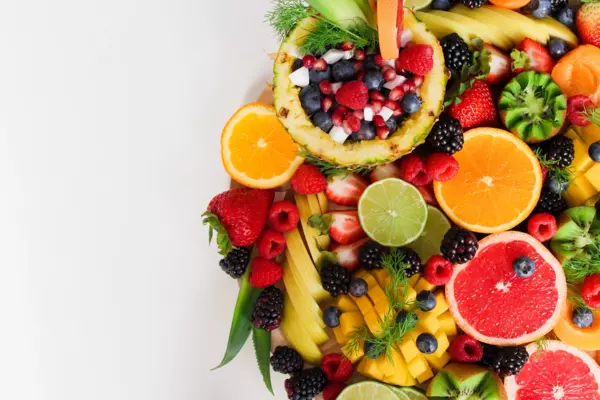
- Various studies show that berry consumption has a positive effect on blood pressure, lowering LDL cholesterol and inflammatory processes. Blueberries and currants, for example, contain anthocyanins that protect blood vessels from deposits.
- Watermelon can have a blood-pressure-lowering effect. It also prevents platelets from sticking together and the formation of blood clots.
- About 200 g of freshly grated carrots daily with a few drops of a good oil lead to a reduction in cholesterol levels.
- Asparagus has a diuretic effect and helps break down the metabolic waste product homocysteine, lower blood pressure and regularise the heartbeat.
- Even a handful of nuts a day is good for the heart. Nuts favourably influence cholesterol levels and have a blood-thinning effect, which particularly benefits the nutrient supply to the heart.
- The active ingredient in raw garlic, allicin, lowers cholesterol, prevents the formation of blood clots and lowers blood pressure in a way comparable to a conventional medication. About 2 to 3 tablespoons per day (depending on body weight) should be consumed. Because of the unpleasant smell of garlic, garlic capsules of appropriate quality may also be used.
- To help your body eliminate existing toxins as quickly as possible, drink about 2 litres of still water daily. The recommended fluid amount may be lower in more severe forms of heart failure and should be discussed with a doctor.
Proper nutrition can eliminate several risk factors for cardiovascular disease and effectively protect your heart!