

Cold sores
The small but annoying guest
editorial.overview
What is a herpes simplex infection?
A herpes simplex infection is caused by two virus types: herpes simplex virus 1 (HSV-1) and herpes simplex virus 2 (HSV-2). HSV-1 is mainly responsible for cold sores (herpes labialis), which appear as painful blisters on the lips and other facial areas, while HSV-2 typically causes genital herpes. Both viruses, however, can cause oral and genital infections.
After infection, the viruses remain in the body for life and lie dormant in nerve ganglia. Various factors such as stress, sun exposure, other infections or hormonal changes can reactivate the viruses. They then travel along nerve fibres to the skin surface and cause further blisters. This process is called a recurrence and can occur several times a year, particularly with genital herpes.
Herpes infections affect different parts of the body such as the skin, mucous membranes, eyes and the central nervous system. In rare cases they can lead to serious illnesses such as encephalitis, meningitis or neonatal herpes. In immunocompromised people infections can be more severe and prolonged, with possible complications like oesophagitis, pneumonia or disseminated infections.


How is the herpes simplex virus transmitted?
The herpes simplex virus (HSV) is mainly transmitted through close contact with infected individuals, with HSV-1 and HSV-2 having different transmission routes. HSV-1, commonly associated with cold sores, is often transmitted in childhood via saliva contact, e.g. sharing cutlery or by kissing. The virus can also be transmitted by skin contact, for instance when touching blisters.
HSV-2, which mainly causes genital herpes, is transmitted primarily through sexual intercourse. Because the virus can be infectious without visible signs, transmission is possible even during asymptomatic infections. Genital herpes is therefore among the most common sexually transmitted infections.
There is a particular risk for newborns who can become infected by their mother during delivery. To prevent this, a caesarean section is often recommended if there is an active infection shortly before birth.
What symptoms does oral herpes cause?
Cold sores often start with an unpleasant tingling or itching on the upper or lower lip. The affected areas often feel tight and may be slightly red. Shortly afterwards painful, fluid-filled blisters form, which can spread to adjacent skin areas, into the mouth or towards the nose.
These blisters break easily and ooze when chewing, laughing or speaking. Irritants such as acidic drinks or vinegar can further aggravate the open lesions and cause pain. As healing progresses, crusts form and eventually fall off, revealing new skin. The healing process is usually complete after about ten days.
During a first infection, which often occurs in early childhood, symptoms are usually more intense. In addition to the typical blisters, fever, fatigue and swollen lymph nodes in the neck area may occur. The oral mucosa can also become inflamed, a condition known as stomatitis, often accompanied by strong bad breath.
Is herpes contagious when there are no visible blisters?
The risk of catching herpes is not limited to an active episode when blisters or ulcers are visible. As long as these skin changes are present, the virus is generally transmissible.
However, when the blisters have crusted over and no new ones form, the risk of transmission falls significantly. Nevertheless, small amounts of virus may still be shed after the crust has fallen off. Therefore, herpes can be contagious even without visible blisters.
Oral herpes in pregnancy: a risk for mother and child?
Oral herpes occurs more frequently in pregnant women due to hormonal changes and a slightly altered immune response. Although the infection is unpleasant, it generally does not pose a serious risk to the expectant mother. The virus remains localised on the lips or near the nose and transmission to the unborn child via the placenta is not possible.
In the event of an acute outbreak it is important to follow strict hygiene measures. After contact with the blisters, hands should be washed thoroughly to prevent further spread of the virus. Mothers should be especially cautious after delivery, as newborns have an immature immune system and are sensitive to infections.
Infection of the baby with oral herpes can lead to complications such as an eye infection that may affect vision, or in rare cases to serious illnesses such as encephalitis. Therefore, it is important to avoid close skin contact with the baby while blisters are active.
Preventive measures are crucial: women should see a doctor at the first signs of oral herpes during pregnancy to discuss appropriate treatment options. After birth, wearing a mask while breastfeeding can also help minimise the risk of transmission.
Can cold sore outbreaks be prevented?
Episodes of cold sores cannot be completely prevented, but there are strategies to reduce the risk. First it is important to distinguish between herpes infection and an active outbreak.
The surest protection against a new infection is to avoid contact with infected persons. Good hygiene practices are essential to reduce the risk of a primary infection with herpesviruses. This includes not sharing personal items such as drinking glasses or toothbrushes and avoiding close contact such as kissing or oral sex.
To prevent recurrent outbreaks, it is sensible to identify and avoid possible triggers. These include sunlight, stress, colds and hormonal changes. Regular use of sunscreen and lip care helps protect the lips from harmful influences.
What helps against cold sores: useful tips
- Apply zinc ointment to the affected areas to dry out the blisters and relieve symptoms.
- Protect blisters with specialised patches from the pharmacy, which promote wound healing and reduce the risk of transmission.
- Apply Manuka honey to the affected areas to reduce transmission risk and support wound healing.
- Use ointments or creams containing lemon balm extract to promote healing.
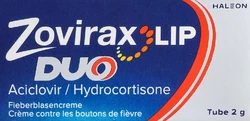
- To stop viral replication, use antiviral ointments such as aciclovir or penciclovir regularly.
- Home remedies or ointments should be applied with a cotton swab to avoid direct contact with the blisters. Dispose of the swab after a single use to prevent recontamination.
- Place a cool compress on the affected area to relieve pain and swelling. Avoid ice cubes, as extreme cold can damage the lip skin and make it more susceptible to the virus.
- To keep the lips moist during an outbreak and avoid further irritation, use a mild lip care product.
- Maintain good hygiene. Wash your hands thoroughly, especially after contact with herpes blisters.
- Do not touch the blisters and do not share utensils with others to prevent spreading the virus.
- Be patient, as full healing takes time even though symptoms can be eased by home remedies or medication.
- See a doctor immediately if herpes causes severe symptoms or spreads.
Cold sores are common, but remain an annoying problem. Through targeted prevention and a better understanding of the symptoms we can regain control of our well-being and help prevent future outbreaks.