Atherosclerosis
The invisible threat within you
What is atherosclerosis?
The term atherosclerosis, derived from Greek (arterio for vessel and skleros for hard), refers to various diseases of the blood vessels. Vessel walls thicken due to tiny injuries or deposits of fat and calcium. The result is a loss of vessel elasticity, a hardening and inward thickening of the vessels, commonly referred to as vascular calcification or arterial calcification.
These changes progressively restrict blood flow. The arteries in our body are comparable to a road network responsible for transporting blood and oxygen to every part of the body. In an optimal state the blood flows freely and all tissues are well supplied. However, once these “roads” are blocked by atherosclerosis, blood flow slows and various areas of the body no longer receive adequate blood and oxygen. This can lead to a range of symptoms associated with atherosclerosis.
Atherosclerosis can basically develop in all arteries of the body — in the neck, brain, heart, kidneys, pelvis, legs or arms. Areas where blood flow naturally encounters obstacles, such as vessel bifurcations, are particularly prone to disease. Over time the main artery (aorta) may also calcify (atherosclerosis of the aorta).
How does atherosclerosis develop?
The development of atherosclerosis is an extremely complex process that is still not fully understood. It is thought to begin with damage to the inner layer (atherosclerosis) or the middle layer (medial calcification) of the arterial wall.
The most common explanation for atheroma formation is the so‑called “response to injury” theory. It proposes that injuries to the vessel lining encourage accumulation of cholesterol, especially LDL cholesterol (“bad” cholesterol), and cellular debris. LDL can oxidise, which promotes an inflammatory response.
White blood cells, called monocytes, transform into scavenger cells (macrophages). They migrate into the vessel wall and take up as much LDL as possible. These immune cells then become lipid‑laden foam cells, which accumulate as increasing “fatty streaks” within the vessel wall. This leads to a thickening and hardening of the arterial wall and a reduced vessel diameter.
At the same time, macrophages release growth factors that stimulate proliferation of smooth muscle cells in the vessel wall. The muscle cells migrate into the plaques and cover them with a firm layer, causing a further narrowing of the vessel.
All these changes occur when the vessel wall is damaged by factors such as a high blood sugar level, pollutants or by physical strain and stress. Fats, cholesterol and calcium can then penetrate the leaky vessel walls and form deposits. The body attempts to repair the tears by forming scar tissue, resulting in so‑called plaques.
Which symptoms are most common?
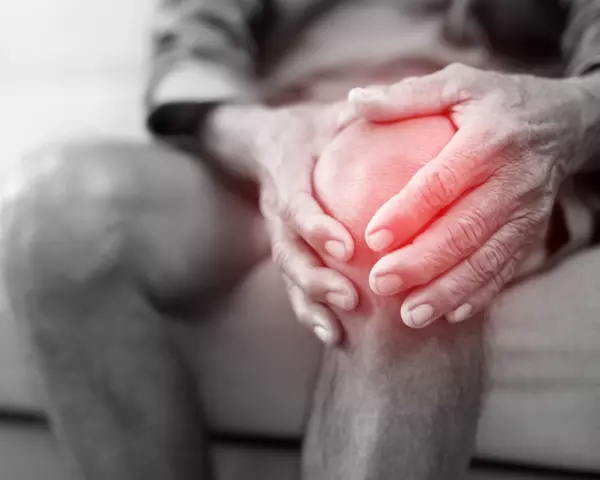
Atherosclerosis can present with various symptoms. Typical complaints include pain or cramps in the legs that only ease when standing or sitting still, paralysis, dizziness, visual disturbances, speech difficulties and other neurological deficits. Pressure or exertion‑related chest pain may also occur. Less commonly, pain or cramps in the arms, erectile dysfunction and kidney failure can occur.
What types of atherosclerosis are there?
The most common form is atherosclerosis, where deposits of blood fats, protein components and connective tissue form on the inner walls of arterial vessels. These deposits are medically referred to as plaques.
Medial calcification or Mönckeberg's sclerosis describes hardening of the middle layer (media) of the arterial wall. This change is associated with elevated blood calcium and is linked to conditions such as chronic kidney disease or diabetes.
Arteriolosclerosis refers to calcification of the inner walls of the small arteries (arterioles). It is commonly seen in people with diabetes mellitus or high blood pressure.
What are the risk factors and consequences of atherosclerosis?
As a consequence of this process, blood clots (thrombi) may form because plaques can detach repeatedly during the occlusion. These clots further worsen the blockage. A thrombus may also be carried by the bloodstream and block an artery elsewhere (embolism). An occluded artery carries the risk of a heart attack, stroke or an acute arterial occlusion in the arms or legs (acute limb ischaemia).
Organs can sustain significant damage and affected individuals are at risk of serious complications. Atherosclerosis may also weaken the arterial wall so that it dilates and an aneurysm forms. If this ruptures, it can lead to fatal internal bleeding.
Major risk factors for atherosclerosis include high blood pressure, diabetes mellitus, smoking and elevated blood lipids. A possible association with infections or chronic inflammatory diseases such as rheumatism is also discussed. A diet rich in saturated fatty acids, lack of exercise, overweight and metabolic disorders such as diabetes promote the development of atherosclerosis in all age groups. Chronic stress can trigger inflammatory processes in the body and lead to narrowing of the vessels.
Lifestyle change is the key to success: proven tips
- To prevent atherosclerosis, it is recommended to minimise risk factors. Conditions that promote atherosclerosis, such as hypertension, sleep apnoea, chronic inflammatory diseases, diabetes mellitus or kidney failure associated with medial calcification, should be treated.
- Ensure adequate physical activity. Even patients with leg pain, such as that seen in peripheral arterial disease, benefit from walking exercise. The World Health Organization (WHO) recommends at least 150 to 300 minutes of moderate‑intensity aerobic activity per week, which can be achieved by brisk walking.
- To reduce the risk of atherosclerosis, elevated blood lipids (cholesterol and triglycerides) should be lowered and excess weight reduced. A balanced, predominantly plant‑based, fibre‑rich diet low in saturated fats and refined sugars helps.
- Avoid convenience foods and processed meats. Saturated fatty acids in foods—for example as hardened fats in processed meats, sausages, frying fats etc.—raise “bad” LDL cholesterol in the blood.
- Prioritise fibre from vegetables and whole grains and flavonoids from fruits and vegetables. Lycopene (a carotenoid in tomatoes) also positively affects cellular protection of the vessel walls.
- One study found that daily consumption of just 50 ml of pomegranate juice for one year reduced vessel wall thickness by up to 30%. Pomegranate juice reduced harmful cholesterol oxidation, lowered blood pressure and increased antioxidant levels in the blood by 130%.
- Several studies suggest that garlic may help reduce existing deposits in the vessels. Garlic capsules have long been recommended to regulate elevated cholesterol or blood lipid levels and to prevent atherosclerosis. Aged garlic extract, such as black garlic, appears even more effective at cleansing the arteries; it seems capable of reducing lipid‑rich but calcium‑poor deposits that can further increase heart attack risk.
- Omega‑3 fatty acids inhibit plaque formation. Helpful examples include α‑linolenic acid found in flaxseed or nuts, and eicosapentaenoic acid from fatty fish.
- There is evidence that the vitamin B complex may help cleanse the arteries and prevent atherosclerosis. One study found that daily intake of 2.5 mg folic acid, 25 mg vitamin B6 and 0.5 mg vitamin B12 for one year significantly reduced vessel wall thickness. In another study, patients with hypertension and elevated blood sugar and lipids received 1000 mg of slow‑release vitamin B3 daily. Several atherosclerosis‑related parameters improved after one year in the vitamin group. As the B vitamin doses in these studies were high, it is advisable to consult a physician with a holistic approach.
- Vitamin K2 plays a crucial role in transporting calcium into the bones while inhibiting its deposition in the vessels. Studies show adequate vitamin K2 intake is associated with a reduced risk of atherosclerosis and coronary heart disease.
- A high dietary intake of vitamin C may already reduce the risk of atherosclerosis and other cardiovascular diseases. A review of 44 clinical trials found a clearly positive effect of vitamin C supplementation on vascular function in people with atherosclerosis, in diabetics and in those with heart failure. Doses above 500 mg, ideally 1000 to 2000 mg per day, are recommended.
- Resveratrol, a potent antioxidant, is considered effective against atherosclerosis. Several studies indicate resveratrol can improve parameters that influence atherosclerosis risk. In a 2021 study, type‑2 diabetics received 100 mg resveratrol or a placebo daily for 12 weeks. Results in the resveratrol group showed lowered blood pressure and a decrease in markers of oxidative stress. Vessel elasticity also improved.
- Nattokinase is regarded as a natural blood thinner without side effects. Studies have demonstrated that nattokinase can inhibit clot formation in various ways and help keep blood fluid. It is therefore useful for preventing cardiovascular diseases, including atherosclerosis. However, it is important to discuss nattokinase use with a physician, especially if anticoagulant medications are already being taken.
- Limit alcohol consumption to moderate amounts. Low‑risk consumption is, for example, one standard drink (e.g. a small beer or 0.1 litre of wine) per day for women and two standard drinks per day for men. It is recommended to abstain from alcohol on at least two days per week.
- Quitting smoking is a significant preventive measure against atherosclerosis, since smoking adversely affects blood vessels in many ways. It is also important to avoid passive smoking.
- Reduce chronic stress. Relaxation techniques such as progressive muscle relaxation, meditation or autogenic training can be helpful.
- The best chance to detect and treat atherosclerosis or its early development is through regular preventive check‑ups.
Those who take preventive measures shape a future that is not only healthier but also more vital and joyful. A conscious approach to caring for your vessels is therefore an important step towards a healthy, active lifestyle!