Daylight
The healing power of the sun
editorial.overview
What role does daylight play for our internal clock?
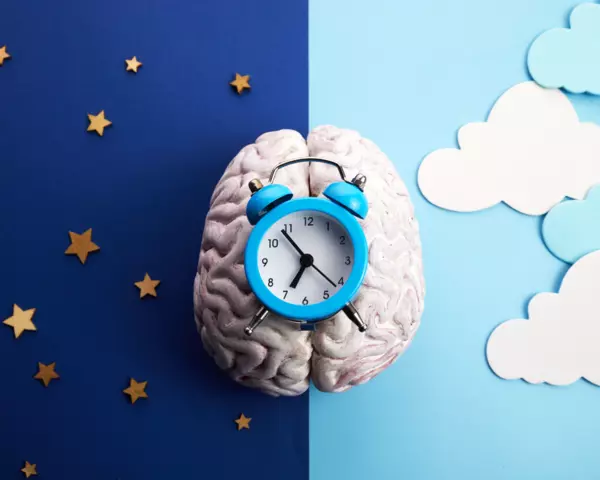
Daylight is not only essential for plants but also vital for us humans. It influences our activity, our mood and serves the body as an important time cue. A balanced light–dark rhythm with sufficient daylight has positive effects on our internal clock and our biorhythm.
Our internal clock is present in every cell of the body and orchestrates a precise coordination of the organs. In conditions of light deficiency these internal clocks fall out of sync, which can lead to asynchronous and less efficient organ function. This has direct consequences for energy balance and health. Lack of light can promote the development of metabolic diseases, mental disorders and some cancers. In addition, light-sensitive people are prone to depression when exposed to insufficient light.
How does daylight affect the sleep–wake rhythm and hormone production?
The interplay of daylight and darkness is crucial. Daylight indirectly affects the level of the sleep hormone melatonin and reduces its concentration in the blood. Melatonin is released only in darkness. In autumn and winter melatonin production is higher, which makes getting up in the morning more difficult.
The fascinating interaction begins in the eyes: the retina responds to blue daylight and relays the information to the brain. From there the internal clock is regulated and brought back into the correct rhythm. The result: secretion of the sleep hormone melatonin is reduced, while feel-good hormones such as cortisol and serotonin are released in greater amounts. Tiredness decreases and mood improves.
The sleep–wake rhythm can therefore be regulated by the light entering the eye. How does this happen? Scientists have identified cells in the eye that possess a so-called photoreceptor for blue light (daylight): the protein melanopsin. When blue light hits these cells the signal is sent directly to the suprachiasmatic nucleus (our main internal clock).
From there the signal reaches the hypothalamus via activation centres in the brain and spinal cord; the hypothalamus controls the release of hormones. Thus melatonin production is reduced while the release of the happiness hormones cortisol and serotonin is stimulated.
There is another interesting link here. Serotonin is needed to produce melatonin, and when serotonin levels fall this also affects mood. To compensate for this deficit the brain increases cravings for sweets and snacks: sugar and foods like chocolate can then help raise serotonin levels in the brain.


What impact does lack of light have on mood?
Lack of light can lead to a variety of symptoms, including emotional instability, increased need for sleep, low mood, loss of appetite, lack of energy and drive, and concentration problems. During the darker months this can lead to winter depression.
The phenomenon of low mood and sleepiness in the darker months can be attributed to the overall lower light intensity in winter. As a result more melatonin is released not only at night but also during the day. In addition, the photoreceptor cells in the eyes of people who suffer from winter depression are less light-sensitive compared with other people.
How does daylight differ from artificial light?
It is important to know that not all light is the same. Ordinary artificial light is no substitute for natural sunlight. There are major differences in light intensity and colour spectrum between daylight and artificial light. The full colour spectrum for example occurs only with daylight and sunlight. Daylight is also much brighter than artificial light. On a sunny summer day outdoors illuminance can reach up to 100'000 lux, whereas in a well-lit office it is only about 500 lux.
To replenish light reserves and regulate the internal rhythm there are light therapies using high-performance daylight lamps. The effect of these lamps on our body is similar to natural daylight. Two factors primarily determine the medical effect of a lamp: brightness and colour temperature.
For a therapeutic effect a brightness of at least 2'500 lux is recommended. Light warmth is influenced by the colour temperature: the higher the kelvin value, the cooler and whiter the light. Compared with daylight, electric light has a higher red component. Due to the low illuminance and high red component, conventional electric light is therefore unsuitable for medical purposes.
What effect does modern lifestyle have on daylight exposure?
Lack of light can affect anyone today. In the past most people worked outdoors and were often physically active. Nowadays most of us work in enclosed spaces and many people are less exposed to daylight because of night shifts, shift work or working from home. This can lead to light deficiency.
Symptoms of light deficiency can manifest in various ways, such as emotional imbalance, increased need for sleep, low mood, loss of appetite, lack of energy and motivation, concentration problems and general malaise.
How can light deficiency be avoided?
- When building new or renovating, generous windows can provide plenty of natural light and a pleasant view. Alternatively, roof windows or skylights can supply daylight throughout the day.
- When furnishing rooms choose rather light or white colours that reflect light better than dark surfaces that absorb it. A light-coloured floor covering can guide light further into the room.
- If your rooms are exposed to direct sunlight you can use sheer curtains to gently filter glaring light without affecting daylight.
- Do not place large plants on window sills – this reduces the amount of incoming daylight.
- Keep in mind that direct, glaring sunlight and reflections can be disruptive when working at a screen. It is also important to protect furniture, floors, pictures or books from the fading rays of the sun and to avoid overheating the home. Therefore choose window coverings that allow you to control the amount of incoming light and the position at the window.
- Even in autumn and winter spend at least one hour a day in daylight, even on dull days. This is an effective means to prevent winter depression. It only requires small behavioural changes, such as leaving the car and walking or using a bicycle. If walking alone is boring, arrange to go with friends or family or listen to favourite music or an engaging podcast.
- Real daylight remains the best source for the skin’s production of vitamin D, which is important for bones, teeth and the immune system. Vitamin D plays an important role in maintaining bone health, as a deficiency can lead to osteoporosis and increase the risk of bone fractures. Any opportunity to be outdoors and get daylight should therefore be used.
- Integrate daylight into your work environment, whether in the office or at home. Choose bright workstations near windows so you can benefit from daylight indoors as well.
- The intense blue light of a daylight lamp can defeat the winter blues. It is recommended to sit in front of a daylight lamp for about 30 minutes in the morning; the lamp should have a brightness of at least 2'500 lux. Professional lamps often provide at least 10'000 lux. Two weeks of light therapy can already help prevent depression.
- How it works: sit with eyes open about one metre from the light source. Working, reading or eating is possible during the therapy. Improvements in symptoms can appear just a few days after starting the therapy.
- Light therapy should generally be carried out in the morning. It is recommended to use the daylight lamp every morning for about half an hour as a start signal for the internal clock. Before buying a daylight lamp it is advisable to consult an ophthalmologist as certain eye conditions require caution. Some medications, such as St John’s wort or psychotropic drugs, can have their effects enhanced by light. Medical advice should be sought in such cases.
- Side effects of light therapy are very rare and generally mild: headaches, burning eyes, dry eyes and mucous membranes, skin redness or irritation. These complaints may occur especially at the beginning of therapy. Small adjustments such as shorter sessions, different treatment times or the use of humidifiers can help.
- Special light alarm clocks can be used to assist falling asleep. A simulated sunset by light has a calming effect on the psyche and promotes a relaxed winding down. After a restorative night, these light alarms also simulate sunrise to provide an optimal start to the day, enabling a natural waking in tune with one’s sleep rhythm.
- Important to know: depressive moods cannot be attributed solely to lack of light. Various conditions such as hypothyroidism, hypoglycaemia, viral infections or chronic fatigue can also be triggers. In such cases light therapy with a daylight lamp may not be effective. To ensure that low mood is not due to one of these or another medical condition it is advisable to seek medical advice before starting such therapy.
Consciously integrating natural light into our daily lives and harnessing its positive effects on body and mind is certainly worthwhile. Mindful use of daylight can become an effective tool for our physical and psychological well‑being!