
Healthy sunbathing
How to enjoy the sun worry‑free and without risk
editorial.overview
Sunbathing – What happens to our skin?
Sunbathing is much more than a pleasant summer pastime – it triggers a whole cascade of biological processes in our body. UV radiation causes melanin to be produced in the epidermis – the body’s natural pigment that tans us and also acts as a natural sunscreen. But that’s just the beginning. UVB rays also stimulate the production of vitamin D, which is important for strong bones, a stable immune system, our mental balance and overall health.
But the sun affects far more than just outward appearance. As soon as sunlight hits the skin, the body also begins to release feel‑good chemicals such as serotonin, dopamine and noradrenaline – their positive effects lift mood, reduce anxiety and make us more alert, focused and motivated. Especially after the dark winter months, this “hormone boost” is often clearly noticeable. In addition, the sun acts as an internal timekeeper. It stabilises our sleep‑wake rhythm, which in turn supports regeneration and immune defence.
However beneficial sunlight may be, it also has its downsides. Free radicals produced by excessive UV exposure attack skin cells and promote premature skin ageing. Pigmentation spots, wrinkles and loss of elasticity are often the visible consequences. The risk of permanent cellular damage also increases – the epidermis does not forget.
Sunscreen: How much sun is healthy?
There is no clear answer to this question, because individual tolerance depends on several factors: your skin type, the current UV index, geographic location and the time of day or year.
As a rule: the midday sun is particularly intense and should be avoided. If you are outside nonetheless, you should consistently protect your skin – with a sunscreen suited to your skin type and lightweight, covering clothing.
Although sunlight is vital for vitamin D production and our well‑being, too much can permanently damage skin cells. The art is to find the right balance – for a healthy complexion without regrets.
Which sun protection factor (SPF) do I need?
The sun protection factor – SPF – is much more than just a number on the sunscreen. It indicates how long your epidermis can be safely exposed to the sun without risking sunburn or accelerating skin ageing.
Which SPF is right for you depends mainly on your individual skin type. People with fair skin, blonde or reddish hair and light eyes usually have a natural protection time of 5 to 10 minutes – after that a sunburn is already possible. In such cases a high protection factor, at least SPF 30, is essential.
Darker skin types do have a longer natural protection time, but should not go unprotected in the sun either – UV radiation affects the cells regardless of skin colour.
As a rule of thumb: natural protection time × SPF = maximum protection time in minutes. So if you have a natural protection time of 10 minutes and want to be in the sun for 300 minutes, you need an SPF of at least 30. It is important that this protection time can be maintained by reapplying, but not extended – after that you must move into the shade.
Is pre‑tanned skin less prone to sunburn?
Many people believe that tanned skin is a natural shield against the sun – but that is only partly true. Tanning is a reaction to UV rays. The body produces more melanin, a pigment that darkens the epidermis and attempts to protect the deeper skin layers from damage. However, this natural protection is much weaker than often assumed.
In fair skin types (types I–III), which are most common in Central Europe, the protection provided by tanning corresponds to an SPF of only about 1.5. That means you can stay only about one and a half times as long in the sun as without a tan – which is very little. Even in darker skin types the protection level increases only to a factor of about 2.
Tanned epidermis offers some protection, but it is by no means sufficient. Sunscreen, clothing and shade remain indispensable even on tanned skin to avoid long‑term skin damage.
How many sunburns can the skin forgive?
The skin can usually cope with a single sunburn. It repairs small damages itself, even if it takes time. But each time it leaves traces. With each additional episode the risk of developing skin cancer later in life increases. That means the epidermis may “forgive" a sunburn – but it does not forget. These damages can accumulate over many years.
What do UV‑protective clothes do?
UV protective clothing, also called sun‑protection clothing, is specially designed to shield the skin from the sun’s harmful rays. Unlike regular clothing, it is made of particularly tightly woven fabrics – often synthetic fibres such as polyester, nylon or spandex. These fabrics can absorb or block UV rays while remaining lightweight, breathable and comfortable to wear.
UV protective clothing protects the skin even when wet – unlike conventional clothing, which becomes more permeable and offers less protection when wet. Especially at the beach or while swimming, UV clothing ensures the epidermis is better protected even from rays reflected by the water.
UV textiles protect both against UVA rays, which cause skin ageing, and against UVB rays, which cause sunburn and can lead to skin cancer. They do not offer one hundred percent protection, but are an effective complement to sunscreen, hats and sunglasses. This significantly reduces UV exposure – on land and in water.
Healthy sunbathing: Tips and recommendations to protect your skin properly
- Apply sunscreen generously and regularly. Sunscreen only works properly if you apply it liberally and renew it at least every two hours. Also reapply after swimming or heavy sweating. Remember to protect particularly sensitive areas such as lips, ears and the tops of the feet carefully.
- Choose the right SPF. Depending on your skin type you need a different SPF. Fair skin types should use at least SPF 30 or even 50, while darker skin types are generally well protected with SPF 20 to 30. Multiply your natural protection time by the SPF to calculate how long you can stay in the sun safely.
- Avoid the midday sun. Between 11 a.m. and 3 p.m. UV radiation is strongest. During this time seek shade or take a break indoors. Even in the shade sunscreen is essential, as about 50 percent of radiation is reflected.
- Wear dense, dry clothing. Lightweight cotton shirts or specialised UV clothing provide good protection against the sun’s rays. Avoid thin or wet fabrics, as they significantly reduce protection. UV clothing is particularly worthwhile for children to ensure maximum safety.
- Protect your eyes with sunglasses. UV rays can damage the retina and, in the long term, promote eye conditions such as cataracts. Choose sunglasses with a CE mark and UV‑400 protection. Make sure they fit well so they offer optimal protection.
- Be cautious during pregnancy and when taking medications. Certain medications and herbs, such as some antibiotics or St John’s wort, increase skin photosensitivity. During pregnancy you should also avoid direct sun exposure as much as possible to prevent pigmentation spots. When in doubt, ask your doctor for advice.
- Wear a hat to protect your head and face. A wide‑brimmed hat protects not only your scalp but also your neck from sunburn. The scalp is often overlooked, yet a sunburn there can be very painful. Light summer hats made from natural materials provide protection and look fashionable.
- Protect your hair with a specialised UV spray. Sun can dry out hair structure and fade hair colour. A sun‑protection spray preserves moisture and protects hair structure. Rinse your hair with fresh water before and after swimming to reduce damage from salt and chlorine.
- Avoid perfume when sunbathing. Many perfumes contain alcohol, which can dry the skin and promote pigmentation spots. Instead use alcohol‑free fragrances or perfume oils. This helps avoid skin irritation while still enjoying a pleasant scent.
- Care for your skin carefully after sunbathing. Even without sunburn the epidermis loses moisture from UV exposure. Use a moisturizing after‑sun lotion to soothe and regenerate the skin. Ideally care for your skin both in the evening after sun exposure and in the morning before the next day in the sun.
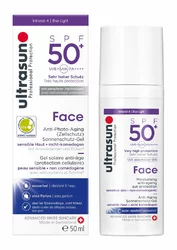
- Consider sunscreen alternatives. If conventional sunscreen is too heavy for your epidermis, consider light alternatives such as UV serums, sun protection powders or tinted day creams with SPF. These products provide protection without clogging pores or leaving a heavy feel. Still, ensure an adequate protection factor when using alternatives.
- Enjoy the sun in moderation. Even with the best protection, sunbathing is only healthy in moderation. Plan regular breaks in the shade and avoid long periods outdoors without additional protection. Remember: a gentle, gradual tan lasts longer and is kinder to your skin in the long run.
Sunbathing can have many positive effects on body and mind – provided you protect your skin properly. With the right sun protection, avoiding the midday sun and good aftercare, you can protect your skin from long‑term damage. A healthy tan is always the result of a conscious and responsible approach to the sun.